
 EN
EN



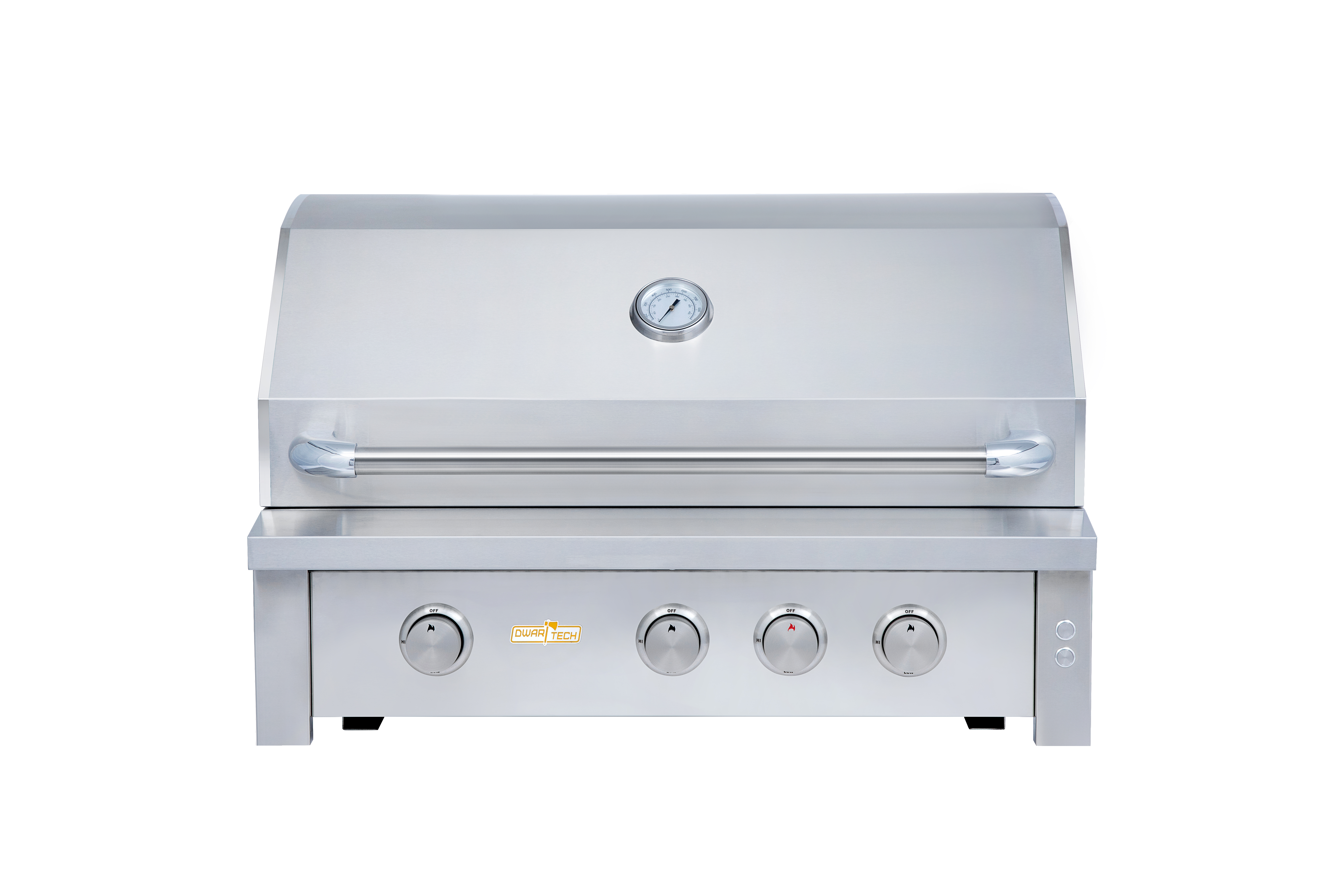
The outdoor cooking industry has experienced unprecedented growth, with manufacturers seeking innovative ways to differentiate their products in a competitive marketplace. Customizing a backyard grill for OEM and private label programs represents a strategic approach that allows companies to establish unique brand identities while leveraging established manufacturing expertise. These customization programs enable retailers, distributors, and brands to offer distinctive grilling solutions without investing in extensive manufacturing infrastructure.
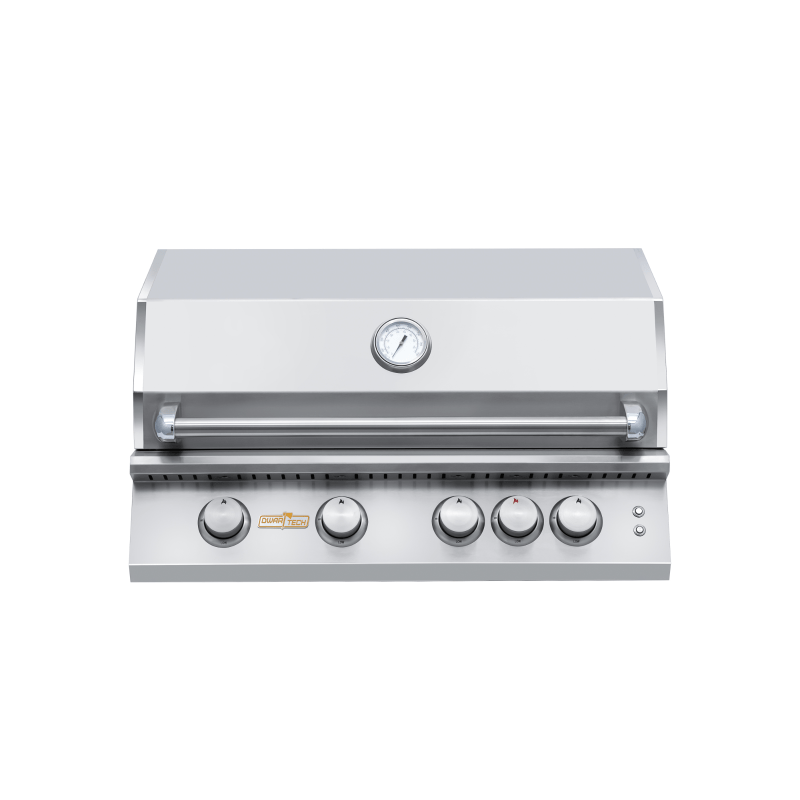
Modern backyard grill customization encompasses multiple dimensions, from aesthetic modifications to functional enhancements that align with specific market segments. Manufacturers collaborate closely with partners to develop tailored solutions that meet distinct consumer preferences while maintaining quality standards and manufacturing efficiency. This collaborative approach ensures that each customized backyard grill reflects the partner brand's vision while benefiting from proven engineering and design principles.
Understanding OEM and Private Label Manufacturing Models
OEM Manufacturing Fundamentals
Original Equipment Manufacturing in the backyard grill industry involves comprehensive partnerships where established manufacturers produce complete grilling systems according to partner specifications. These arrangements typically include design modifications, branding integration, and quality assurance protocols that ensure consistent product performance. OEM partners benefit from reduced development timelines and access to proven manufacturing processes while maintaining control over product specifications and market positioning.
Successful OEM relationships require clear communication channels and detailed specification documents that outline performance requirements, aesthetic preferences, and quality standards. Manufacturers often provide design consultation services to help partners optimize their backyard grill concepts for efficient production and market appeal. This collaborative approach ensures that customized products meet both technical requirements and commercial objectives while maintaining competitive pricing structures.
Private Label Program Advantages
Private label programs offer distinct advantages for retailers and distributors seeking to establish proprietary product lines without extensive manufacturing investments. These programs typically provide faster market entry timelines and lower initial capital requirements compared to developing independent manufacturing capabilities. Partners can focus on marketing, distribution, and customer service while leveraging established manufacturing expertise and supply chain relationships.
Customization options within private label programs often include branding elements, color schemes, accessory packages, and performance specifications that differentiate products from standard offerings. This flexibility allows partners to target specific market segments or geographic regions with tailored solutions. Many successful private label backyard grill programs incorporate unique features or design elements that create distinctive market positioning while maintaining cost-effective production methods.
Design Customization Options and Capabilities
Aesthetic Modifications and Branding
Visual customization represents a primary focus area for backyard grill OEM and private label programs, encompassing color schemes, finish options, and branding integration. Manufacturers typically offer extensive powder coating color selections, stainless steel finish variations, and custom logo placement options that align with partner brand identities. These aesthetic modifications create distinctive visual appeal while maintaining durability and weather resistance characteristics essential for outdoor cooking equipment.
Advanced customization capabilities often include laser etching, embossed logos, and custom hardware finishes that enhance brand recognition and premium positioning. Some programs incorporate unique design elements such as custom control panel layouts, distinctive grate patterns, or proprietary accessory mounting systems. These modifications create memorable user experiences while reinforcing brand differentiation in competitive retail environments.
Functional Enhancement Opportunities
Functional customization options extend beyond aesthetic modifications to include performance enhancements, cooking surface variations, and integrated accessory systems. Many OEM partners specify unique BTU configurations, specialized burner arrangements, or enhanced temperature control systems that optimize cooking performance for specific applications. These modifications often reflect regional cooking preferences or target market requirements while maintaining safety standards and operational reliability.
Advanced backyard grill customization may incorporate smart technology integration, enhanced insulation systems, or specialized cooking surface materials that provide unique value propositions. Some programs feature modular design approaches that allow end users to configure their grilling systems according to specific needs or preferences. These functional enhancements create competitive advantages while supporting premium pricing strategies and enhanced customer satisfaction.
Manufacturing Process and Quality Control
Production Planning and Scheduling
Successful backyard grill customization programs require sophisticated production planning systems that accommodate varying order quantities and specification requirements. Manufacturers typically implement flexible scheduling approaches that balance customization complexity with production efficiency, ensuring timely delivery while maintaining quality standards. These systems often incorporate modular manufacturing principles that streamline customization processes without compromising overall production capacity.
Advanced production planning includes inventory management for custom components, specialized tooling requirements, and quality control checkpoints specific to customized features. Many manufacturers utilize lean manufacturing principles to minimize waste and optimize resource utilization across diverse customization projects. This approach ensures competitive pricing while maintaining the flexibility necessary to accommodate unique partner requirements and market demands.
Quality Assurance and Testing Protocols
Quality control measures for customized backyard grill production encompass both standard manufacturing protocols and specialized testing procedures specific to modified components or features. Comprehensive testing typically includes performance verification, durability assessments, and safety compliance evaluations that ensure customized products meet or exceed industry standards. These protocols protect both manufacturer and partner reputations while ensuring consistent customer satisfaction across diverse product configurations.
Many programs implement statistical quality control methods that monitor customization consistency and identify potential issues before they impact production schedules or product quality. Advanced testing facilities often include accelerated aging tests, thermal cycling evaluations, and real-world performance assessments that validate customized features under various operating conditions. This comprehensive approach ensures that each backyard grill meets specified performance criteria regardless of customization complexity.
Supply Chain and Component Sourcing
Custom Component Development
Developing custom components for backyard grill OEM and private label programs requires strategic supplier relationships and component sourcing expertise. Manufacturers often maintain networks of specialized suppliers capable of producing unique parts, finishes, or accessories that support customization objectives. These relationships enable rapid prototype development and efficient scaling of custom component production to meet market demands.
Successful component customization balances uniqueness with manufacturing practicality, ensuring that custom parts integrate seamlessly with standard manufacturing processes. Many programs utilize existing component platforms as foundations for customization, reducing development costs and production complexity while achieving distinctive results. This approach accelerates time-to-market and maintains competitive pricing for customized backyard grill solutions.
Inventory Management and Logistics
Effective inventory management for customized backyard grill programs requires sophisticated tracking systems that monitor custom components, standard parts, and finished goods across multiple product configurations. Advanced inventory systems often incorporate predictive analytics that optimize stock levels based on historical demand patterns and seasonal variations. This approach minimizes carrying costs while ensuring component availability for timely order fulfillment.
Logistics coordination becomes increasingly complex with customized products, requiring specialized packaging, handling procedures, and shipping considerations that protect unique features during transportation. Many manufacturers implement dedicated logistics protocols for customized products that ensure proper handling and minimize damage risks. These systems often include custom packaging designs and specialized handling instructions that preserve product integrity throughout the distribution process.
Market Positioning and Commercial Strategy
Target Market Identification
Successful backyard grill customization programs begin with comprehensive market analysis that identifies specific consumer segments, regional preferences, and competitive positioning opportunities. This research informs customization decisions and ensures that modified products address genuine market needs rather than pursuing modifications for their own sake. Understanding target demographics, cooking preferences, and price sensitivity guides effective customization strategies that maximize market acceptance.
Market positioning for customized backyard grill products often emphasizes unique features, premium materials, or specialized capabilities that differentiate offerings from standard alternatives. Effective positioning strategies communicate clear value propositions while highlighting customization benefits that resonate with target consumers. This approach supports premium pricing strategies and builds brand loyalty through distinctive product experiences.
Competitive Differentiation Strategies
Creating meaningful competitive differentiation through backyard grill customization requires understanding competitive offerings, market gaps, and emerging consumer trends. Successful differentiation often combines multiple customization elements to create comprehensive value propositions that competitors cannot easily replicate. These strategies may emphasize superior materials, innovative features, enhanced performance, or unique aesthetic elements that establish clear market positioning.
Long-term differentiation success depends on continuous innovation and adaptation to evolving market conditions. Many successful programs incorporate customer feedback mechanisms that inform ongoing customization refinements and new feature development. This iterative approach ensures that customized backyard grill offerings remain relevant and competitive as market preferences evolve and new technologies emerge.
Technology Integration and Innovation
Smart Technology Implementation
Modern backyard grill customization increasingly incorporates smart technology integration that enhances user experience and provides competitive differentiation. These systems may include wireless temperature monitoring, automated cooking controls, or mobile app connectivity that transforms traditional grilling into connected experiences. Smart technology customization often reflects partner brand values and target market preferences while leveraging proven hardware and software platforms.
Implementing smart technology in customized backyard grill programs requires careful consideration of user interface design, connectivity requirements, and ongoing software support. Successful integration balances functionality with simplicity, ensuring that technology enhancements improve rather than complicate the grilling experience. Many programs focus on specific smart features that address common grilling challenges or enhance convenience for target user segments.
Advanced Materials and Construction
Material selection for customized backyard grill production offers significant opportunities for differentiation and performance enhancement. Advanced materials may include specialized stainless steel alloys, ceramic components, or innovative insulation systems that improve durability, performance, or aesthetic appeal. These material choices often reflect partner positioning strategies and target market expectations while maintaining manufacturing feasibility and cost effectiveness.
Construction innovations in customized backyard grill manufacturing may incorporate improved welding techniques, advanced joint designs, or innovative assembly methods that enhance product quality and manufacturing efficiency. These improvements often result from collaborative development efforts between manufacturers and partners seeking competitive advantages. Successful material and construction innovations balance performance benefits with practical manufacturing considerations to ensure scalable production and competitive pricing.
FAQ
What minimum order quantities are typically required for backyard grill customization programs
Minimum order quantities for backyard grill customization programs vary significantly based on the complexity of modifications and manufacturing requirements. Simple customizations such as color changes or basic branding may require minimums of 50-100 units, while extensive modifications involving custom components or advanced features typically require 200-500 unit minimums. Manufacturers often provide flexible arrangements for established partners or programs with proven market demand.
How long does the development process take for customized backyard grill products
Development timelines for customized backyard grill products range from 8-16 weeks depending on modification complexity and component requirements. Simple aesthetic customizations can often be completed within 8-10 weeks, while comprehensive modifications involving new components or advanced features may require 12-16 weeks or longer. Effective project management and clear communication between partners and manufacturers help optimize development timelines and ensure successful outcomes.
What types of warranties and support are available for customized backyard grill products
Warranty coverage for customized backyard grill products typically mirrors standard manufacturer warranties while addressing specific customization elements. Most programs provide comprehensive warranties covering both standard components and customized features, with specialized support for unique modifications. Partners often receive dedicated technical support and replacement part access to ensure ongoing customer satisfaction and product performance throughout the warranty period.
How do customization costs compare to standard backyard grill pricing
Customization costs for backyard grill programs vary based on modification scope and order quantities, with typical premiums ranging from 15-40% above standard pricing. Simple modifications such as color changes or basic branding additions typically add 15-25% to base costs, while comprehensive customizations involving unique components or advanced features may increase costs by 30-40%. Volume commitments and long-term partnerships often provide opportunities for cost optimization and competitive pricing arrangements.
Table of Contents
- Understanding OEM and Private Label Manufacturing Models
- Design Customization Options and Capabilities
- Manufacturing Process and Quality Control
- Supply Chain and Component Sourcing
- Market Positioning and Commercial Strategy
- Technology Integration and Innovation
-
FAQ
- What minimum order quantities are typically required for backyard grill customization programs
- How long does the development process take for customized backyard grill products
- What types of warranties and support are available for customized backyard grill products
- How do customization costs compare to standard backyard grill pricing