
 EN
EN



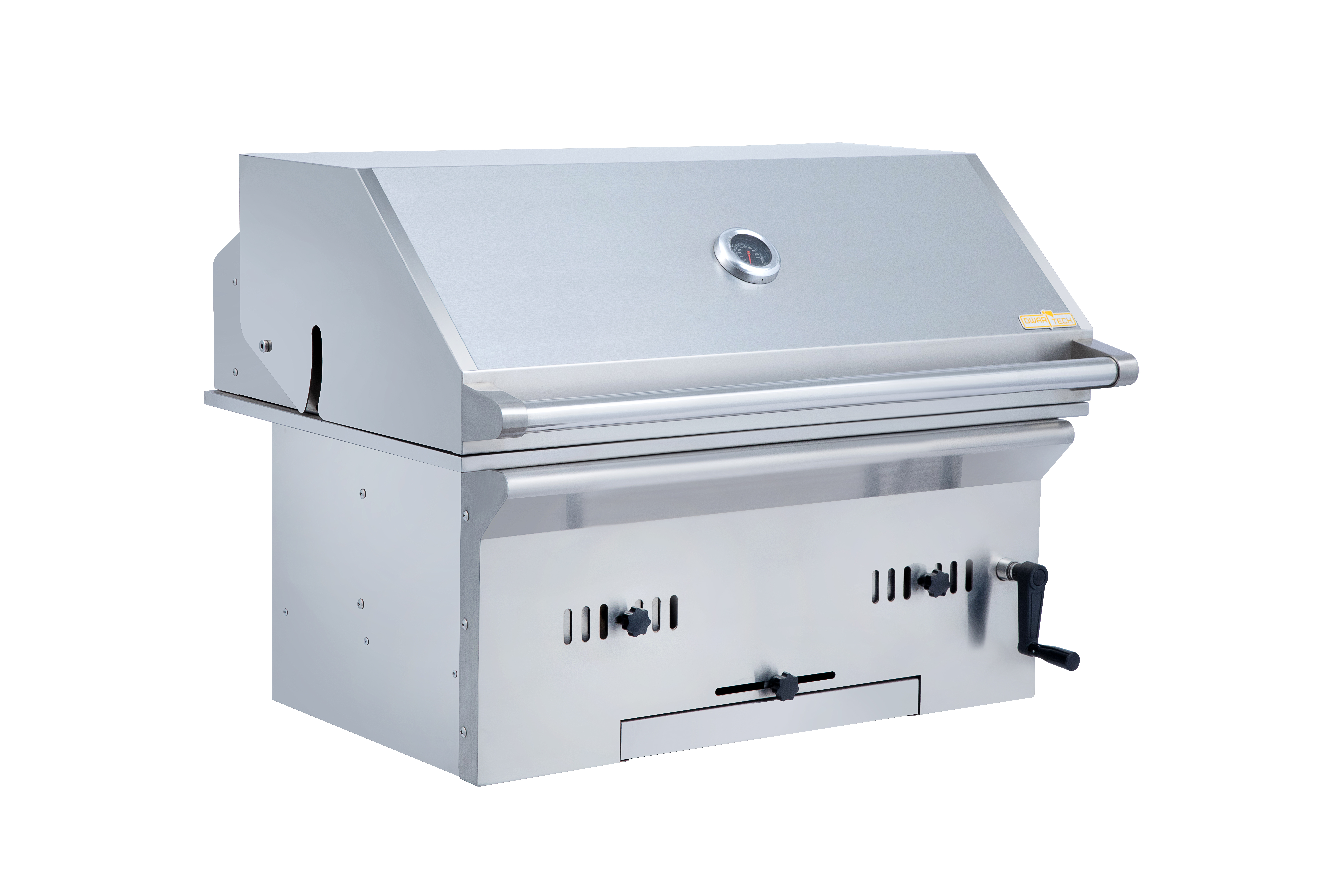
The commercial barbecue industry has witnessed remarkable growth in recent years, driven by increasing demand for outdoor cooking solutions in both residential and commercial settings. A heavy duty bbq grill represents the pinnacle of this market evolution, offering uncompromising durability, superior performance, and commercial-grade construction that meets the rigorous demands of OEM manufacturers and wholesale distributors. These specialized grills are engineered with precision to withstand continuous use while delivering consistent cooking results that satisfy professional chefs and serious outdoor cooking enthusiasts alike.
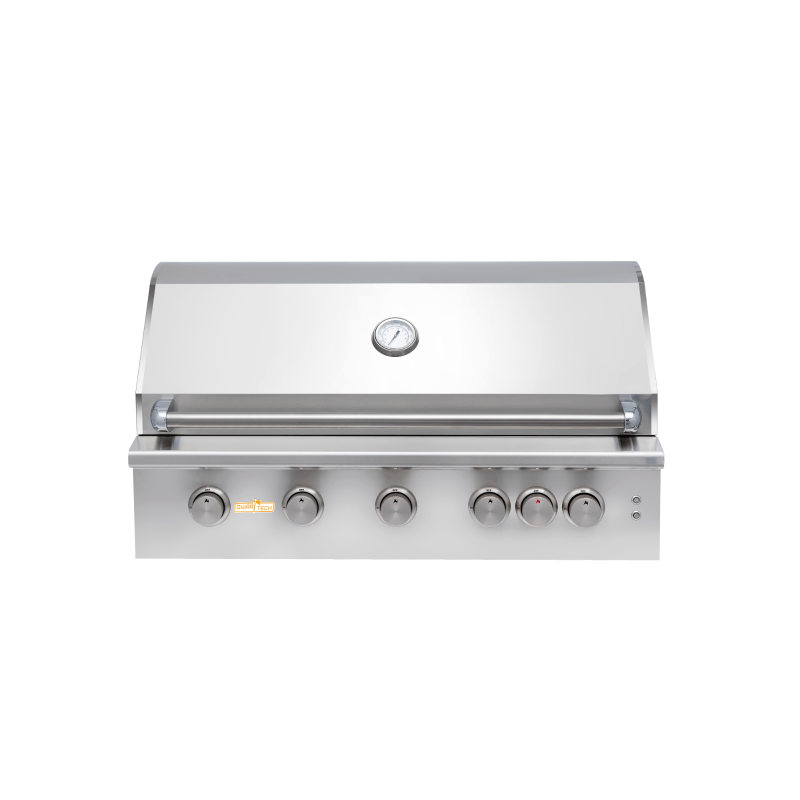
Manufacturing heavy duty bbq grill units for wholesale markets requires sophisticated understanding of commercial cooking requirements, material science, and large-scale production capabilities. OEM partners rely on manufacturers who can deliver consistent quality across thousands of units while maintaining competitive pricing structures that support profitable distribution channels. The design philosophy behind these grills emphasizes longevity, performance reliability, and user safety features that exceed standard residential cooking equipment specifications.
Engineering Excellence in Heavy Duty Construction
Material Selection and Durability Standards
The foundation of any exceptional heavy duty bbq grill begins with meticulous material selection that prioritizes corrosion resistance, heat retention, and structural integrity. Manufacturers typically employ high-grade stainless steel alloys, specifically 304 or 316 series, for primary construction components including firebox assemblies, cooking grates, and exterior housings. These materials offer superior resistance to rust, corrosion, and thermal stress while maintaining their appearance and functionality through years of intensive use.
Cast iron components play crucial roles in heat distribution and retention, particularly in burner assemblies and cooking surface elements. The selection process involves extensive metallurgical testing to ensure optimal thermal conductivity and expansion characteristics that prevent warping or cracking under extreme temperature variations. Quality control protocols require each heavy duty bbq grill component to undergo rigorous stress testing, including thermal cycling, corrosion exposure, and mechanical load evaluation to validate long-term performance expectations.
Thermal Engineering and Heat Distribution
Advanced thermal engineering principles guide the internal architecture of commercial-grade barbecue systems, ensuring uniform heat distribution across entire cooking surfaces. Heat baffle systems, strategically positioned deflector plates, and precisely calculated airflow channels work together to eliminate hot spots and temperature variations that could compromise cooking consistency. These design elements require sophisticated computational fluid dynamics modeling to optimize performance characteristics.
Burner technology represents another critical aspect of heavy duty bbq grill design, with manufacturers employing high-BTU output systems that deliver rapid preheating capabilities and sustained temperature control. Multi-zone cooking configurations allow operators to maintain different temperature zones simultaneously, accommodating diverse cooking techniques and food preparation requirements. The integration of these thermal management systems requires precise engineering tolerances and quality manufacturing processes that ensure reliable operation under demanding commercial conditions.
OEM Manufacturing Considerations
Scalability and Production Efficiency
OEM manufacturing of heavy duty bbq grill systems demands sophisticated production capabilities that balance quality consistency with cost-effective manufacturing processes. Modern facilities employ automated welding systems, precision cutting equipment, and computer-controlled assembly lines that ensure identical specifications across large production runs. These manufacturing systems enable consistent quality control while maintaining competitive pricing structures necessary for wholesale market penetration.
Supply chain management becomes particularly critical when producing heavy duty bbq grill units at scale, requiring reliable sources for specialized components including burner assemblies, ignition systems, temperature gauges, and control hardware. Successful OEM partnerships depend on manufacturers who maintain extensive supplier networks and quality assurance programs that guarantee component reliability and availability. Production scheduling must accommodate seasonal demand fluctuations while maintaining inventory levels that support rapid order fulfillment.
Customization and Brand Integration
The wholesale market demands flexible customization options that allow distributors to differentiate their heavy duty bbq grill offerings while maintaining core performance characteristics. OEM manufacturers typically provide extensive customization services including custom powder coating, branded control panels, specialized cooking accessories, and packaging solutions that support brand identity requirements. These customization capabilities require modular design architectures that accommodate variations without compromising structural integrity or performance standards.
Brand integration extends beyond visual customization to include performance specifications that align with target market requirements. Some wholesale clients require enhanced portability features, while others prioritize maximum cooking capacity or specialized cooking functions. Successful OEM partnerships involve collaborative design processes that incorporate client feedback and market research to develop products that meet specific market segment needs while maintaining manufacturing efficiency and quality standards.
Wholesale Market Dynamics
Distribution Channel Requirements
Wholesale distribution of heavy duty bbq grill systems involves complex logistics considerations including packaging design, shipping optimization, and inventory management protocols. Distributors require products that can withstand transportation stresses while arriving in perfect condition at retail destinations. This necessitates robust packaging systems that protect delicate components while minimizing shipping costs through optimized dimensional specifications.
Market positioning strategies for wholesale heavy duty bbq grill distribution often focus on value propositions that emphasize total cost of ownership rather than initial purchase price. Professional buyers evaluate equipment based on expected lifespan, maintenance requirements, warranty coverage, and operational efficiency factors that impact long-term profitability. Successful wholesale programs provide comprehensive technical documentation, training resources, and support services that enable distributors to effectively market sophisticated cooking equipment to their customer base.
Competitive Positioning and Market Differentiation
The competitive landscape for heavy duty bbq grill wholesale markets requires continuous innovation in design features, performance capabilities, and value-added services that distinguish premium products from commodity alternatives. Market leaders invest heavily in research and development initiatives that incorporate emerging technologies including smart temperature monitoring, automated cooking programs, and connectivity features that appeal to tech-savvy consumers seeking advanced outdoor cooking solutions.
Differentiation strategies often focus on specialized market segments including professional catering services, high-end residential installations, and commercial foodservice applications that demand superior performance characteristics. Each market segment presents unique requirements for cooking capacity, portability, safety features, and regulatory compliance that influence heavy duty bbq grill design specifications. Successful positioning requires deep understanding of customer applications and the ability to deliver targeted solutions that exceed performance expectations while maintaining competitive pricing structures.
Quality Assurance and Testing Protocols
Performance Validation Standards
Comprehensive quality assurance programs for heavy duty bbq grill manufacturing involve multiple testing phases that validate performance characteristics, safety compliance, and durability expectations. Initial component testing evaluates individual parts and assemblies under controlled laboratory conditions that simulate years of operational stress through accelerated testing protocols. These procedures include thermal cycling, vibration testing, corrosion exposure, and mechanical stress evaluation that identify potential failure modes before products enter production.
Field testing programs complement laboratory evaluation through real-world usage scenarios that expose heavy duty bbq grill prototypes to actual cooking conditions and user behaviors. Professional chefs and commercial operators participate in extended evaluation programs that provide feedback on cooking performance, ease of operation, maintenance requirements, and overall user satisfaction. This feedback loop enables continuous improvement in design specifications and manufacturing processes that enhance product reliability and market acceptance.
Regulatory Compliance and Safety Certification
Safety certification requirements for commercial cooking equipment involve rigorous evaluation by recognized testing laboratories that verify compliance with applicable safety standards and regulatory requirements. Heavy duty bbq grill systems must demonstrate proper gas pressure regulation, flame safety controls, structural stability, and electrical safety features that protect users from potential hazards associated with high-temperature cooking operations.
International market distribution requires understanding of regional safety standards and certification requirements that vary across different geographic markets. European CE marking, North American CSA certification, and other regional compliance standards each specify particular testing protocols and documentation requirements that must be satisfied before market entry. Successful OEM manufacturers maintain comprehensive certification programs that support global distribution while ensuring consistent safety performance across all market regions.
Market Trends and Future Innovations
Technology Integration and Smart Features
The evolution of heavy duty bbq grill technology increasingly incorporates smart monitoring systems, automated temperature control, and connectivity features that enhance cooking precision and user convenience. Advanced temperature probe systems provide real-time monitoring of food internal temperatures while automated cooking programs adjust heat output to achieve optimal cooking results for specific food types. These technological enhancements appeal to both professional chefs seeking precision control and recreational users who want foolproof cooking results.
Internet connectivity enables remote monitoring and control capabilities that allow users to manage cooking processes from mobile devices while maintaining social interaction during outdoor cooking events. Data logging capabilities provide cooking history tracking and performance optimization recommendations that help users improve their cooking techniques over time. Integration of these advanced features requires sophisticated electronic control systems and user interface designs that maintain reliability while providing intuitive operation.
Sustainability and Environmental Considerations
Environmental consciousness increasingly influences heavy duty bbq grill design philosophy, with manufacturers implementing sustainable materials, energy-efficient combustion systems, and end-of-life recycling programs that minimize environmental impact. High-efficiency burner designs reduce fuel consumption while maintaining cooking performance, appealing to environmentally conscious consumers and commercial operators seeking to reduce operational costs.
Sustainable manufacturing practices include waste reduction initiatives, energy-efficient production processes, and responsible sourcing of raw materials that support environmental stewardship goals. Some manufacturers offer take-back programs for end-of-life equipment that ensure proper recycling of metal components and electronic systems. These sustainability initiatives increasingly influence purchasing decisions in both commercial and residential market segments, creating competitive advantages for manufacturers who embrace environmental responsibility.
FAQ
What distinguishes heavy duty BBQ grills from standard residential models
Heavy duty BBQ grills feature commercial-grade construction materials, higher BTU output burner systems, reinforced structural components, and enhanced durability standards that enable continuous operation under demanding conditions. These grills typically employ thicker gauge stainless steel, cast iron cooking components, and precision-engineered heat distribution systems that deliver superior cooking performance and extended operational lifespan compared to standard residential models.
How do OEM manufacturers ensure consistent quality across large production runs
OEM manufacturers implement comprehensive quality management systems including automated manufacturing processes, statistical process control monitoring, incoming material inspection protocols, and final product testing procedures that verify performance specifications. Computer-controlled assembly lines, precision welding equipment, and standardized component sourcing ensure identical construction quality across thousands of units while maintaining competitive manufacturing costs.
What customization options are available for wholesale heavy duty BBQ grill orders
Wholesale customization options typically include custom powder coating colors, branded control panels and badges, specialized cooking accessories, modified cooking surface configurations, and custom packaging solutions. Some manufacturers offer performance modifications including enhanced portability features, increased cooking capacity, or specialized burner configurations that meet specific market segment requirements while maintaining core quality and safety standards.
What safety certifications are required for commercial BBQ grill distribution
Commercial BBQ grill distribution requires compliance with applicable safety standards including CSA certification for North American markets, CE marking for European distribution, and various regional safety certifications that verify proper gas pressure regulation, flame safety controls, structural stability, and electrical safety features. These certifications involve extensive testing by recognized laboratories and ongoing quality assurance programs that ensure continued compliance throughout the product lifecycle.
Table of Contents
- Engineering Excellence in Heavy Duty Construction
- OEM Manufacturing Considerations
- Wholesale Market Dynamics
- Quality Assurance and Testing Protocols
- Market Trends and Future Innovations
-
FAQ
- What distinguishes heavy duty BBQ grills from standard residential models
- How do OEM manufacturers ensure consistent quality across large production runs
- What customization options are available for wholesale heavy duty BBQ grill orders
- What safety certifications are required for commercial BBQ grill distribution