
 EN
EN



The Complete Guide to Selecting Your Perfect Patio Grilling Companion
The sizzle of burgers, the aroma of grilled vegetables, and the joy of outdoor cooking – nothing quite captures the essence of outdoor living like a classic gas grill on your patio. Whether you're an experienced grillmaster or just starting your outdoor cooking journey, selecting the right classic gas grill is crucial for creating memorable dining experiences and lasting memories with family and friends.
A classic gas grill represents more than just a cooking appliance; it's an investment in your outdoor lifestyle and an enhancement to your patio space. With numerous options available in the market, understanding the key factors that make a gas grill truly exceptional will help you make an informed decision that suits your needs, space, and cooking style.
Essential Features of Premium Gas Grills
Build Quality and Materials
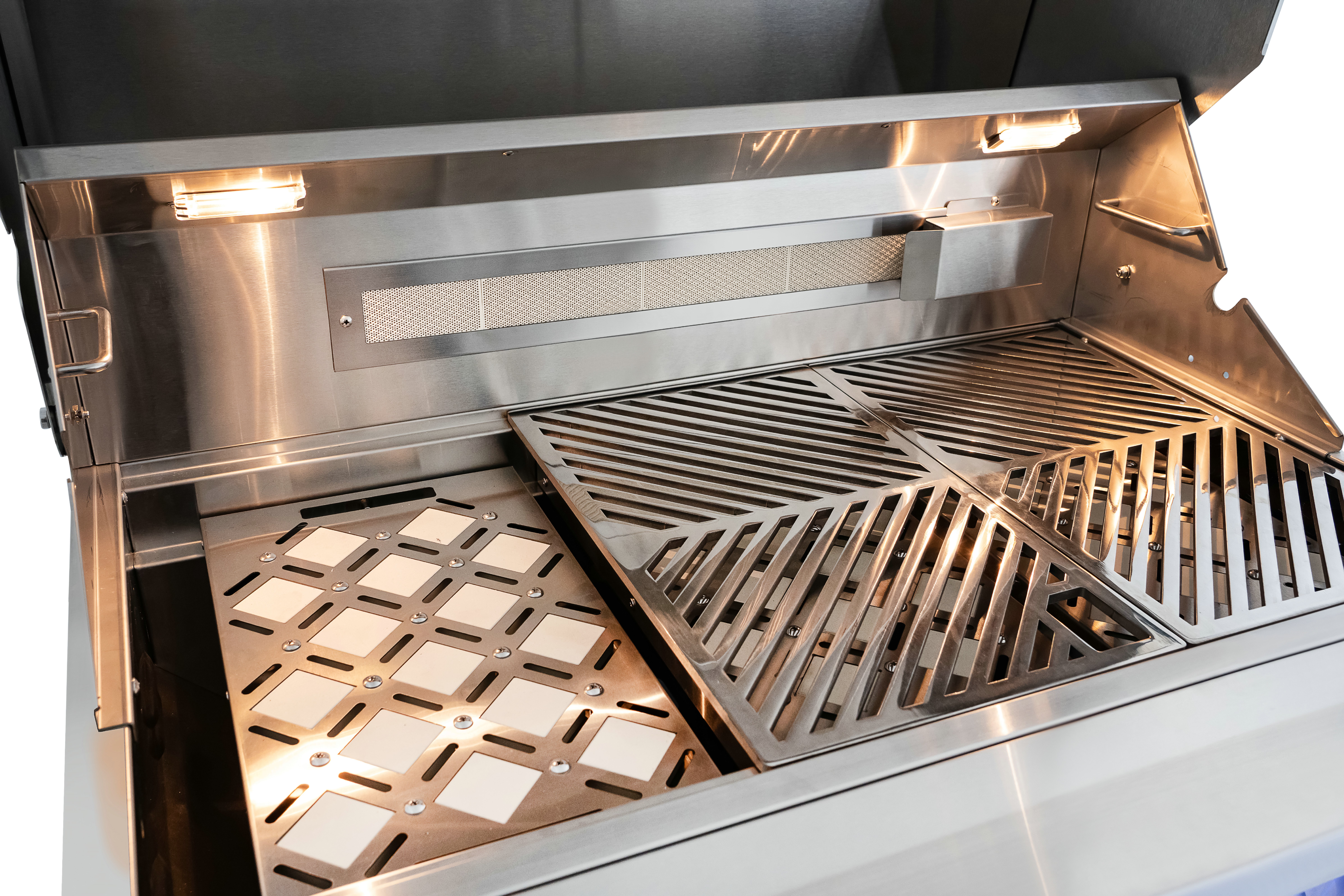
When investing in a classic gas grill, the construction material should be your primary consideration. High-quality stainless steel stands as the gold standard for durability and longevity. Look for grills with 304-grade stainless steel construction, particularly for the cooking grates and burners. This marine-grade material resists rust and corrosion, ensuring your grill maintains its performance and appearance for years to come.
The thickness of the metal also plays a crucial role in heat retention and distribution. Premium classic gas grills feature heavier gauge materials that prevent warping and maintain consistent cooking temperatures. Cast aluminum bodies offer excellent durability while keeping the overall weight manageable for patio placement.
Heating Technology and Performance
A superior classic gas grill should deliver consistent heat distribution and precise temperature control. Multiple burners, typically ranging from two to six, allow for different heating zones and cooking methods. High-performance burners should generate between 8,000 to 12,000 BTUs per burner, providing enough heat for both high-temperature searing and low-and-slow cooking.
Advanced features like infrared technology can enhance your grilling experience by providing intense, direct heat for perfect searing. Look for models with reliable ignition systems and heat diffusers that prevent flare-ups and ensure even cooking across the entire grilling surface.
Size and Space Considerations
Cooking Surface Area
The ideal size of your classic gas grill depends on your typical cooking needs and available patio space. A primary cooking area of 400-500 square inches comfortably serves a family of four, allowing you to grill multiple items simultaneously. Larger grills with 600-800 square inches of cooking space are perfect for entertaining guests or preparing meals for larger gatherings.
Consider models with warming racks that provide additional space for keeping food warm or cooking delicate items at lower temperatures. These secondary cooking areas can increase your total cooking space by 100-200 square inches without significantly impacting the grill's footprint.
Patio Layout and Installation
Before selecting a classic gas grill, carefully measure your patio space, considering not only the grill's dimensions but also safe clearance distances from walls, furniture, and other structures. Most manufacturers recommend maintaining at least 24 inches of clearance from combustible materials on all sides.
Consider the grill's location relative to your home's entrance and outdoor seating area. The ideal placement allows for convenient access while cooking without compromising the flow of foot traffic or creating smoke issues for your outdoor living space.
Practical Features and Accessories
Storage and Preparation Space
A well-designed classic gas grill should include adequate storage space for grilling tools, accessories, and propane tanks. Look for models with enclosed cabinet storage beneath the grill, which protects your supplies from the elements and maintains a clean appearance on your patio.
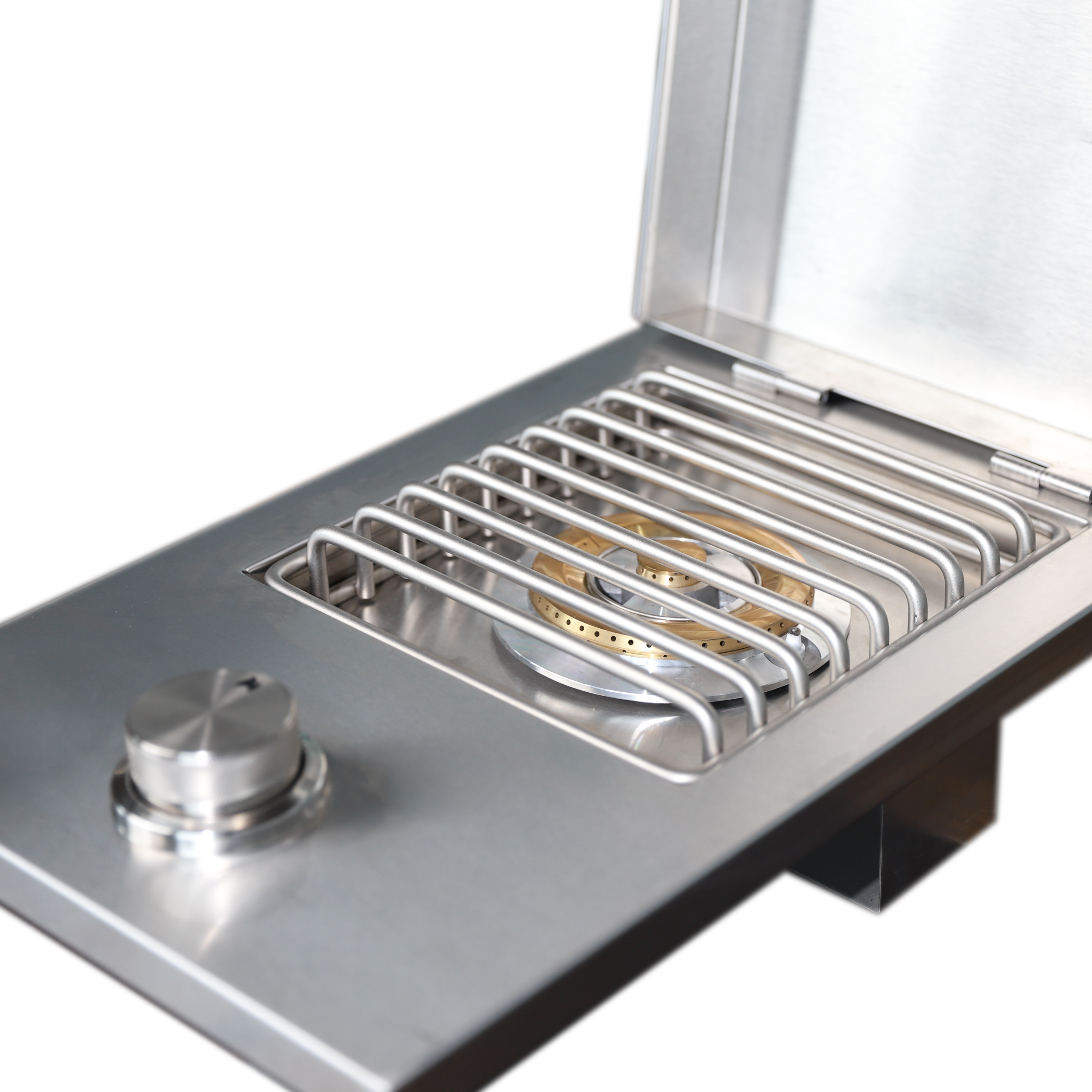
Side shelves or preparation areas are invaluable features that provide convenient workspace for food preparation and plating. Foldable shelves offer flexibility in smaller spaces, while sturdy fixed shelves can support heavier items and additional accessories like side burners.
Maintenance and Cleaning Features
Easy maintenance ensures your classic gas grill remains in optimal condition throughout its lifetime. Features like removable grease trays, accessible burners, and dishwasher-safe components significantly simplify the cleaning process. Some premium models include specialized cleaning systems that help reduce grease buildup and prevent flare-ups.
Consider grills with weather-resistant covers and protective features that guard against the elements. These additions help maintain your grill's appearance and functionality, especially when exposed to varying weather conditions on your patio.
Frequently Asked Questions
How long should a quality classic gas grill last?
A well-maintained classic gas grill constructed with high-quality materials should last 10-15 years or more. Regular cleaning, proper storage, and timely replacement of worn parts significantly extend its lifespan.
What BTU rating is ideal for a classic gas grill?
For optimal performance, look for a classic gas grill with 80-100 BTUs per square inch of cooking surface. This ensures sufficient heat for both high-temperature searing and consistent cooking across all zones.
Should I choose natural gas or propane for my classic gas grill?
The choice depends on your home's setup and personal preferences. Natural gas offers continuous fuel supply and lower operating costs but requires permanent installation. Propane provides more mobility and higher heat output but needs periodic tank replacement.
What maintenance schedule should I follow for my classic gas grill?
Perform basic cleaning after each use, deep clean the grates monthly, and conduct a thorough inspection of burners, ignition systems, and gas connections every six months. Additionally, cover your grill when not in use and store it in a protected area during severe weather.