
 EN
EN



Selecting the perfect outdoor grill can transform your backyard cooking experience from ordinary to extraordinary. The decision between charcoal, gas, and pellet grills involves weighing factors like flavor preferences, cooking convenience, and maintenance requirements. Each grilling method offers distinct advantages that cater to different cooking styles and lifestyle needs. Understanding these differences ensures you invest in equipment that aligns with your culinary goals and entertaining habits.
Understanding Charcoal Grilling Fundamentals
The Traditional Appeal of Charcoal Cooking
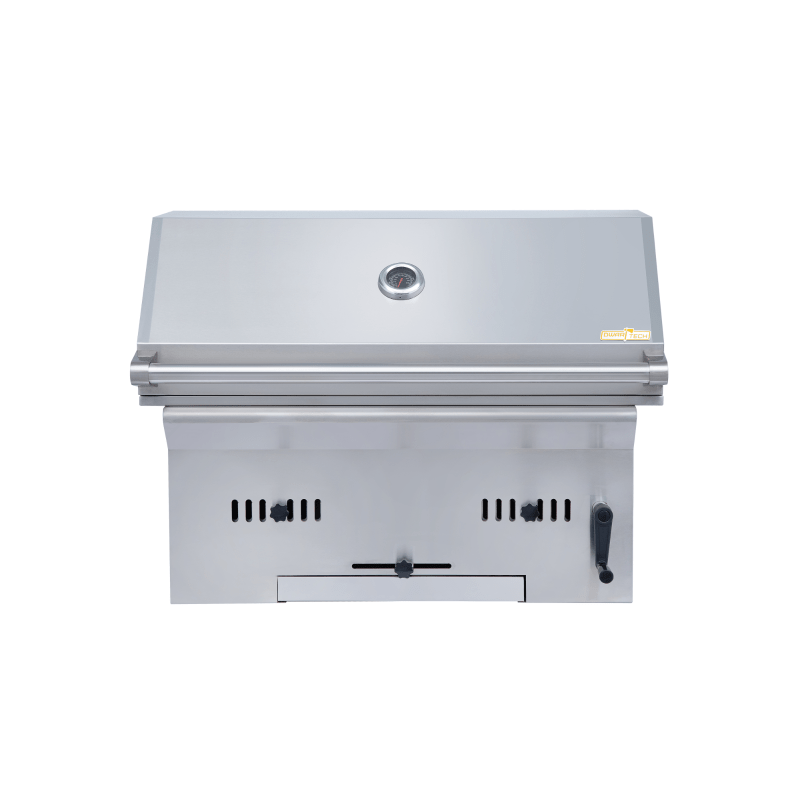
The charcoal grill remains the gold standard for outdoor cooking enthusiasts who prioritize authentic smoky flavors. Traditional charcoal cooking methods create high-temperature searing capabilities that develop exceptional crust formation on meats while infusing distinctive smoky characteristics throughout the food. Professional pitmasters and barbecue competitions consistently favor charcoal systems for their ability to produce complex flavor profiles that simply cannot be replicated through other cooking methods.
Operating a charcoal grill requires mastering fire management techniques, including proper coal arrangement, temperature control through airflow adjustment, and timing coordination. These skills, while initially challenging, provide complete control over the cooking environment and enable advanced techniques like two-zone cooking, smoking, and reverse searing. The learning curve associated with charcoal grilling often becomes part of the enjoyment for dedicated outdoor cooking enthusiasts.
Temperature Control and Heat Management
Successful charcoal grill operation depends on understanding heat zones and airflow dynamics within the cooking chamber. Creating direct and indirect cooking areas allows versatility in preparing different food types simultaneously while maintaining optimal temperatures for each item. The damper system controls oxygen flow, which directly impacts combustion rates and temperature stability throughout extended cooking sessions.
Temperature monitoring becomes crucial when using a charcoal grill, as heat levels fluctuate based on coal quality, weather conditions, and airflow adjustments. Digital thermometers and temperature probes help maintain consistent cooking environments, especially during low-and-slow barbecue sessions that require precise temperature control over several hours. Experienced charcoal grill operators develop intuitive understanding of their equipment's behavior patterns.
Gas Grilling Convenience and Performance
Instant Heat and Temperature Precision
Gas grills offer unmatched convenience through instant ignition systems and precise temperature control mechanisms that appeal to busy families and frequent entertainers. The push-button starting capability eliminates the time-consuming coal preparation process while providing immediate cooking readiness for spontaneous grilling sessions. Multiple burner configurations enable simultaneous cooking at different temperature zones without complex fire management techniques.
Temperature consistency represents one of the primary advantages of gas grilling systems, as thermostatic controls maintain stable heat levels throughout cooking sessions. This reliability proves especially valuable when preparing delicate items like fish, vegetables, or items requiring specific temperature ranges. The predictable heat output eliminates guesswork and reduces the risk of overcooking or undercooking food items.
Maintenance and Operating Costs
Gas grill maintenance involves regular cleaning of grates, grease management systems, and periodic inspection of gas connections for safety compliance. The absence of ash disposal and coal residue significantly reduces post-cooking cleanup time compared to traditional charcoal systems. Propane tank replacement or natural gas line connections provide consistent fuel supply without storage concerns associated with charcoal supplies.
Long-term operating costs for gas grills typically prove more economical than charcoal alternatives, especially for frequent users who grill multiple times per week. Propane efficiency and natural gas pricing generally offer better value per cooking session while eliminating the need to purchase bags of charcoal or specialty wood chunks for flavor enhancement.
Pellet Grill Technology and Versatility
Automated Cooking Systems
Pellet grills combine the convenience of gas systems with the flavor benefits typically associated with wood-fired cooking methods. These innovative units utilize compressed wood pellets as fuel sources while employing digital controllers to maintain precise temperature settings throughout extended cooking periods. The automated pellet feeding mechanism eliminates manual fuel addition while providing consistent heat output for hours-long smoking sessions.
Advanced pellet grill models incorporate Wi-Fi connectivity and smartphone app integration, allowing remote monitoring and temperature adjustments from anywhere within the home. These technological features enable set-and-forget operation for busy cooks who want to achieve professional-quality results without constant attention to fire management or temperature monitoring responsibilities.
Flavor Profiles and Wood Selection
Wood pellet variety enables flavor customization that surpasses traditional charcoal grill capabilities while maintaining the convenience of automated operation. Different wood species like hickory, apple, cherry, and oak impart distinct flavor characteristics that complement specific food types. Pellet manufacturers often create blended varieties that combine multiple wood types for complex flavor development.
The low-temperature smoking capabilities of pellet systems excel at preparing tough cuts of meat that benefit from extended cooking periods at controlled temperatures. Brisket, pork shoulder, and ribs achieve exceptional tenderness and flavor penetration through pellet grill smoking processes that would be challenging to maintain consistently with manual charcoal fire management.
Comparing Performance Across Different Food Types
Meat Preparation and Searing Capabilities
High-heat searing performance varies significantly among the three grilling systems, with charcoal grills typically achieving the highest temperatures necessary for optimal crust development on steaks and chops. The direct radiant heat from glowing coals creates intense surface temperatures that exceed 700 degrees Fahrenheit, enabling restaurant-quality searing results in home cooking environments.
Gas grills with infrared burners or ceramic heating elements can approach charcoal temperatures for searing applications, though the heat distribution patterns differ from coal-based systems. Standard gas burners typically max out around 500-600 degrees Fahrenheit, which proves adequate for most grilling applications but may not achieve the dramatic crust formation possible with a properly configured charcoal grill setup.
Vegetable and Delicate Food Handling
Delicate foods like fish fillets, vegetables, and thin cuts benefit from the precise temperature control available through gas and pellet systems rather than the variable heat zones common in charcoal cooking. The ability to maintain consistent moderate temperatures prevents overcooking while ensuring thorough heat penetration for even doneness throughout delicate items.
Pellet grills excel at low-temperature vegetable preparation and cold smoking applications that preserve texture while infusing subtle wood flavors. These capabilities extend beyond traditional grilling into food preservation and gourmet preparation techniques that expand culinary possibilities beyond conventional barbecue applications.
Cost Analysis and Budget Considerations
Initial Investment Requirements
Entry-level charcoal grill options begin at budget-friendly price points that make outdoor cooking accessible for most households, while premium ceramic and steel models command significantly higher prices. The initial investment in a quality charcoal grill can provide decades of reliable service with proper maintenance and care, making them excellent long-term value propositions for dedicated grilling enthusiasts.
Gas grill pricing spans an enormous range from basic portable units to professional-grade outdoor kitchen installations costing thousands of dollars. Mid-range gas grills typically offer the best balance of features, construction quality, and performance for most residential applications without requiring premium pricing associated with commercial-grade equipment.
Ongoing Fuel and Maintenance Costs
Charcoal fuel costs vary based on usage frequency and quality preferences, with premium lump charcoal commanding higher prices than standard briquettes. Regular users may find monthly charcoal expenses add up over time, particularly when incorporating specialty wood chunks or high-end charcoal varieties for enhanced flavor development.
Pellet grill operation requires consistent pellet purchases, with premium hardwood varieties costing more than standard pellet blends. However, the efficient burn characteristics of quality pellets often provide better value per cooking hour compared to lower-grade alternatives that burn faster and produce less consistent heat output.
Lifestyle Factors and Usage Patterns
Entertaining and Social Cooking
Large gatherings and frequent entertaining favor grilling systems that offer quick startup, reliable performance, and minimal hands-on management during cooking. Gas grills excel in these scenarios by providing instant availability and consistent results that allow hosts to focus on guests rather than fire management responsibilities throughout the event.
The social aspect of charcoal grilling appeals to enthusiasts who enjoy the ritual and skill demonstration associated with fire building and temperature management. These interactive elements can enhance the entertainment value of outdoor cooking events while showcasing the chef's expertise and dedication to traditional cooking methods.
Weather and Seasonal Considerations
Cold weather operation affects different grill types in varying ways, with gas systems potentially experiencing reduced efficiency due to propane vaporization issues in freezing temperatures. Charcoal grill performance remains relatively consistent across temperature ranges, though wind and precipitation can complicate fire management and temperature control efforts.
Covered outdoor cooking areas and seasonal storage requirements influence grill selection decisions for homeowners in regions with extended winter periods. Compact charcoal grill designs often prove easier to store in garage or shed spaces compared to larger gas or pellet systems that require dedicated outdoor storage solutions.
FAQ
What type of grill produces the best flavor
Charcoal grills typically produce the most distinctive smoky flavors due to the combustion characteristics of wood and coal materials. The high-heat capabilities and natural smoke production create complex flavor compounds that penetrate food more deeply than gas alternatives. Pellet grills offer a middle ground with wood smoke flavors while maintaining convenient operation, though the flavor intensity may be more subtle than traditional charcoal methods.
How much time does each grill type require for setup and cooking
Gas grills provide the fastest setup with instant ignition and immediate cooking readiness within 10-15 minutes of preheating. Charcoal grill preparation typically requires 20-30 minutes for proper coal lighting and heat distribution before cooking can begin. Pellet grills fall between these options, requiring 10-15 minutes for startup while offering automated temperature maintenance throughout cooking sessions.
Which grill type offers the best value for occasional users
For infrequent grilling, charcoal grill systems often provide the best value due to lower initial costs and no fuel waste between uses. Charcoal remains stable indefinitely when stored properly, unlike propane which can dissipate over time or pellets which may absorb moisture and degrade. However, gas grills eliminate the learning curve associated with fire management, making them more user-friendly for occasional cooks who prioritize convenience over cost optimization.
How do maintenance requirements compare between different grill types
Gas grills require regular cleaning of grease management systems, burner maintenance, and gas line inspections for safety compliance. Charcoal grill maintenance involves ash removal, grate cleaning, and periodic replacement of worn components like air dampers. Pellet grills need regular pellet hopper cleaning, auger maintenance, and electronic component care, making them potentially the most complex systems to maintain over time.