
 EN
EN




Selecting the right stainless steel outdoor grill with optimal BTU output for high-heat searing requires understanding the relationship between burner power, grill construction, and actual cooking performance. Many outdoor cooking enthusiasts mistakenly assume that higher BTU ratings automatically guarantee better searing capability, but the reality involves a more nuanced evaluation of heat distribution, grate material, cooking surface area, and burner configuration. This comprehensive guide walks you through the essential factors that determine whether a stainless steel outdoor grill can deliver the intense, sustained heat necessary for restaurant-quality sear marks and caramelized crusts on steaks, chops, and other premium cuts.
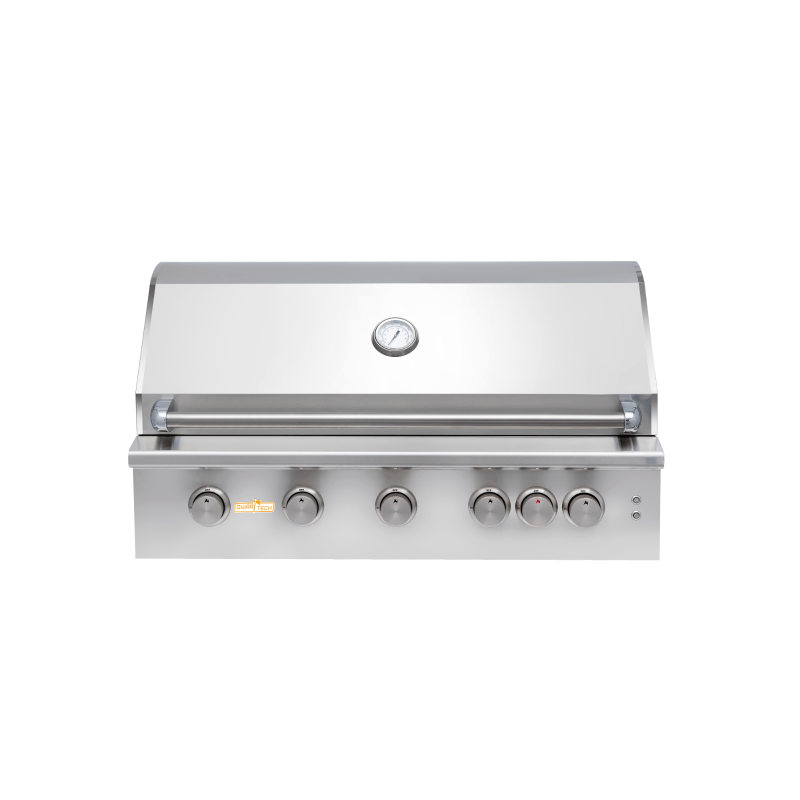
High-heat searing demands specific thermal characteristics that go beyond raw BTU specifications, including rapid temperature recovery, consistent flame pattern across the cooking zone, and durable construction that maintains performance over years of outdoor exposure. When evaluating a stainless steel outdoor grill for searing applications, you must consider how BTU output translates into usable cooking heat per square inch, how burner design affects flame concentration, and how grill geometry influences heat retention. This article provides a systematic approach to identifying the ideal BTU range for your searing needs while ensuring your chosen stainless steel outdoor grill delivers both immediate performance and long-term reliability in demanding outdoor cooking environments.
Understanding BTU Output and Its Relationship to Searing Performance
What BTU Actually Measures in Outdoor Grilling Context
BTU, or British Thermal Unit, represents the amount of energy required to raise one pound of water by one degree Fahrenheit, serving as the standard measurement for heat output in gas-powered outdoor cooking equipment. In the context of a stainless steel outdoor grill, BTU ratings indicate the total energy potential of all burners combined when operating at maximum capacity. However, this raw number fails to account for critical factors such as burner efficiency, heat distribution patterns, and the grill's ability to convert fuel energy into effective cooking heat at the grate surface. A grill with 40,000 BTUs spread across a large cooking area may deliver less searing intensity than a compact unit with 30,000 BTUs concentrated in a smaller zone.
The relationship between BTU output and actual searing capability depends heavily on how efficiently your stainless steel outdoor grill transfers heat from the burner flames to the cooking grates. Modern gas grills typically lose significant thermal energy through convection currents, radiant heat escaping through gaps, and conduction into the grill body itself. Well-designed units incorporate features like heat tents, flame tamers, or ceramic briquettes that capture and redirect this energy toward the cooking surface, effectively multiplying the impact of each BTU. Understanding this energy pathway helps explain why two grills with identical BTU ratings can produce dramatically different searing results.
The BTU-to-Surface-Area Ratio for Effective Searing
Professional grill designers and culinary experts generally recommend a minimum of 80 to 100 BTUs per square inch of primary cooking surface for effective high-heat searing on a stainless steel outdoor grill. This ratio ensures sufficient thermal density to rapidly elevate grate temperature above 500°F while maintaining that heat level even when cold food items are placed on the cooking surface. Grills that fall below this threshold may struggle to achieve the Maillard reaction temperatures necessary for proper crust development, resulting in steamed or grayed meat surfaces rather than the caramelized brown exterior that defines quality searing.
Calculating the BTU-to-surface-area ratio for your prospective stainless steel outdoor grill requires dividing the total BTU output by the primary cooking area measured in square inches. For example, a grill delivering 48,000 BTUs across 480 square inches of cooking grate provides exactly 100 BTUs per square inch, placing it in the optimal range for searing applications. Some manufacturers inflate cooking area measurements by including warming racks or secondary surfaces that don't receive direct burner heat, so verify that your calculation uses only the primary grate area directly above the main burners. This metric provides a more reliable predictor of searing performance than total BTU output alone.
How Burner Configuration Affects Heat Concentration
The number, placement, and design of burners in your stainless steel outdoor grill significantly influence how effectively BTU output translates into searing capability. Multiple burners arranged in parallel tubes across the cooking width allow for better heat distribution and enable zone cooking techniques where high heat is concentrated in specific areas. Burners with closely spaced ports produce more consistent flame patterns and reduce cold spots that can compromise searing uniformity across larger cuts of meat. Some premium models feature dedicated sear burners or infrared zones that concentrate heat output into compact areas specifically designed for maximum surface temperature.
When evaluating burner configuration, examine the total flame coverage relative to your typical cooking loads and preferred searing techniques. A stainless steel outdoor grill with four burners delivering 12,000 BTUs each provides superior flexibility compared to a two-burner design with the same total output, as you can activate only the burners needed for your current cooking task while maintaining higher thermal density in the active zone. Burner tube diameter and material composition also affect longevity and heat distribution consistency, with heavy-gauge stainless steel or brass construction offering better performance than thin-walled alternatives that may warp or corrode over time.
Material Quality and Construction Features That Enhance Searing Capability
Stainless Steel Grade and Heat Retention Properties
Not all stainless steel constructions deliver equivalent performance in outdoor grill applications, as different alloy grades exhibit varying thermal conductivity, corrosion resistance, and structural stability under repeated heating cycles. Commercial-grade 304 stainless steel offers an excellent balance of durability and heat management for cooking grates, burner housings, and exterior panels on a premium stainless steel outdoor grill. This austenitic alloy contains approximately 18% chromium and 8% nickel, providing superior resistance to rust and pitting while maintaining structural integrity across temperature extremes. Some manufacturers use 430-grade stainless steel in less critical components to reduce costs, but this ferritic alloy lacks the corrosion resistance necessary for long-term outdoor exposure in humid or coastal environments.
The thickness and gauge of stainless steel components directly impact heat retention and temperature stability during searing operations. Cooking grates fabricated from 6mm or thicker stainless steel rod absorb and store more thermal energy than thin stamped grates, helping maintain high surface temperatures even when cold food items are added. Similarly, firebox construction using heavy-gauge stainless steel panels creates a more effective heat chamber that reflects radiant energy back toward the cooking surface rather than allowing it to dissipate through thin walls. When comparing options, physically inspect grate weight and panel rigidity as indicators of material quality that specifications sheets may not fully convey.
Cooking Grate Design and Surface Contact Optimization
The geometry and surface characteristics of cooking grates on your stainless steel outdoor grill determine how effectively burner heat transfers to food surfaces during searing. Rod-style grates with round or square cross-sections create point contact with meat, concentrating pressure and heat into narrow lines that produce dramatic sear marks and attractive grill patterns. These designs also allow fat and juices to drip away from the cooking surface, reducing flare-ups while promoting better browning. Alternatively, flat-bar or ribbon grates provide broader contact areas that may better suit delicate proteins like fish or vegetables but typically deliver less dramatic searing results on thick-cut steaks.
Grate spacing and total surface contact percentage influence both searing intensity and food release characteristics during cooking. Grates with narrower spacing between rods capture more radiant heat from burners and flame tamers below, creating hotter cooking zones that accelerate crust formation. However, extremely tight spacing can trap grease and make cleaning more difficult, while also limiting the distinctive crosshatch sear marks that many grill enthusiasts prize. Most high-performance stainless steel outdoor grill models balance these factors with rod spacing between 10mm and 15mm, providing sufficient heat capture without compromising the aesthetic or practical benefits of well-defined grill marks.
Heat Distribution Systems and Flame Management Technology
Effective heat distribution systems bridge the gap between raw BTU output and consistent searing performance across the entire cooking surface of your stainless steel outdoor grill. Flame tamers, also called heat tents or vaporizer bars, serve multiple functions including protecting burners from grease drippings, vaporizing drippings to create smoke flavor, and redirecting flame heat upward toward the grates. These components typically consist of angled stainless steel panels or inverted V-shaped bars positioned directly above each burner tube. Quality flame tamers distribute heat laterally across their surface area, reducing hot spots directly above burner ports while elevating temperature in the gaps between burners.
Some advanced stainless steel outdoor grill designs incorporate ceramic briquettes, lava rocks, or cast iron heat diffusers that absorb thermal energy during preheating and then radiate consistent heat across the cooking zone. These thermal mass components take longer to reach operating temperature but deliver superior heat stability once properly preheated, making them particularly effective for extended searing sessions involving multiple batches of food. The trade-off involves additional preheating time and periodic maintenance to remove accumulated grease deposits, but the improved temperature consistency often justifies these minor inconveniences for serious outdoor cooking enthusiasts who prioritize searing performance.
Practical BTU Requirements for Different Searing Scenarios
Minimum BTU Thresholds for Various Protein Types
Different protein types and cut thicknesses require varying heat intensities to achieve optimal searing results on your stainless steel outdoor grill, with thicker cuts demanding more sustained BTU output to develop proper crust without overcooking the interior. Thin steaks such as skirt or flank cuts benefit from extremely high initial heat that rapidly creates surface caramelization during a brief cooking period, typically requiring peak grate temperatures exceeding 600°F. For these applications, a minimum of 90-100 BTUs per square inch ensures the cooking surface maintains adequate temperature despite the cooling effect of placing multiple cold meat portions on the grill simultaneously.
Thick-cut steaks like porterhouse, ribeye, or bone-in cuts ranging from 1.5 to 2 inches require a more nuanced approach combining initial high-heat searing with lower-temperature finishing to achieve the desired internal doneness. Your stainless steel outdoor grill should deliver sufficient BTU output to create rapid surface browning during the first 90-120 seconds per side, followed by adjustable heat zones for indirect cooking or temperature-modulated finishing. Grills with individual burner controls and total output above 40,000 BTUs provide the flexibility to maintain a dedicated high-heat searing zone while simultaneously managing cooler areas for resting or gentle cooking, accommodating the complete preparation workflow within a single cooking session.
Environmental Factors That Increase BTU Requirements
Outdoor cooking environments introduce variables that can significantly impact the effective BTU output required for consistent searing performance on your stainless steel outdoor grill. Ambient temperature plays a crucial role, with cold weather conditions drawing heat away from the grill body and requiring higher burner output to maintain target cooking temperatures. Grills operated in northern climates during winter months may need 20-30% more BTU capacity than the same model used in temperate conditions to compensate for increased thermal losses through conduction and convection. Wind exposure presents an even more dramatic challenge, as moving air accelerates heat loss and can disrupt flame patterns, potentially creating uneven heating across the cooking surface.
Installation location and grill positioning relative to structures, landscaping, or prevailing wind directions should inform your BTU requirements when selecting a stainless steel outdoor grill for searing applications. Grills positioned on exposed decks or patios without windbreaks benefit from higher BTU ratings and robust lid designs that minimize heat loss during cooking. Some manufacturers offer optional wind guards or side panels that improve heat retention in challenging environments, effectively reducing the functional BTU requirement by preventing waste heat from escaping. Additionally, altitude affects burner efficiency due to reduced oxygen availability, with installations above 4,000 feet requiring BTU output adjustments or orifice modifications to maintain proper fuel-air mixture ratios for optimal combustion.
Matching BTU Output to Cooking Frequency and Batch Size
Your typical cooking patterns and the number of servings you regularly prepare should directly influence the BTU capacity you select in a stainless steel outdoor grill designed for searing applications. Home cooks who primarily prepare meals for two to four people can often achieve excellent results with grills in the 30,000-40,000 BTU range, provided the cooking surface area remains proportionally modest to maintain adequate BTU-per-square-inch ratios. This output level supports sequential searing of multiple portions without excessive temperature recovery times between batches, allowing you to complete typical family meals efficiently while preserving the high surface temperatures essential for quality crust development.
Entertainment-oriented users who frequently host gatherings or cook for larger groups should prioritize stainless steel outdoor grill models with BTU outputs exceeding 48,000 BTUs and multiple independently controlled burner zones. Higher capacity enables simultaneous searing of numerous portions while maintaining consistent grate temperatures across extended cooking sessions. Additionally, greater thermal reserves reduce the temperature drop that occurs when loading the cooking surface with multiple cold items, minimizing the recovery time needed to return to optimal searing conditions. For competitive cooking, catering applications, or serious enthusiasts who regularly prepare high-volume meals, grills delivering 60,000 BTUs or more across appropriately sized cooking surfaces provide the professional-grade performance necessary to maintain quality standards under demanding production conditions.
Evaluating Additional Features That Complement High-Heat Searing
Lid Design and Heat Containment Architecture
The lid construction on your stainless steel outdoor grill significantly influences heat retention efficiency and the grill's ability to function as both an open searing platform and a closed convection oven. Double-wall lid designs with air gap insulation or foam-filled cavities reduce heat loss through the top surface, allowing the grill to reach and maintain higher internal temperatures with less BTU consumption. This improved thermal efficiency becomes particularly important during cold weather operation or when using the grill in convection mode for thicker cuts that require combination searing and roasting techniques. Premium lids also feature reinforced hinges and counterbalance systems that prevent warping under repeated heating cycles while ensuring safe, controlled operation.
Lid height and internal volume affect airflow patterns and heat circulation within the cooking chamber of your stainless steel outdoor grill, with taller domed designs promoting better convection currents that cook food more evenly. However, excessive internal volume can dilute heat concentration during high-temperature searing, requiring additional BTU output to compensate. The optimal balance typically involves a lid with sufficient clearance to accommodate thick roasts or whole poultry while maintaining relatively compact dimensions that preserve heat density across the cooking grates. Built-in temperature gauges mounted in the lid provide useful feedback, though their readings often reflect air temperature rather than actual grate surface temperature, which can differ by 100°F or more during aggressive searing operations.
Burner Control Precision and Heat Adjustment Range
Precise burner control systems on your stainless steel outdoor grill enable the heat modulation necessary for advanced searing techniques that combine multiple temperature zones and cooking stages. High-quality control valves with smooth adjustment across the full output range allow you to maintain burners at the high settings required for searing while providing the fine-tuning capability to prevent scorching or flare-ups. Stainless steel control knobs with clear position indicators and positive detents at key temperature points simplify operation while reducing the likelihood of accidental adjustment during cooking sessions that involve multiple temperature changes.
The low-end performance of burner controls proves equally important for searing workflows that require finishing phases at reduced temperatures. Valves that maintain stable flame at minimum settings without extinguishing support gentle completion cooking after initial crust development, allowing you to bring thick cuts to proper internal temperature without additional surface darkening. Some premium stainless steel outdoor grill models feature dedicated low-heat burners or simmer zones specifically designed for temperature-sensitive applications, though these specialized components typically add cost and complexity that may exceed the requirements of most searing-focused users. Evaluate your actual cooking techniques and determine whether the additional control precision justifies the investment relative to simpler on-off zone management approaches.
Ignition Reliability and Preheating Efficiency
Electronic ignition systems on modern stainless steel outdoor grill units provide convenience and reliability advantages over traditional match-light or continuous pilot designs, particularly important when preparing for high-heat searing sessions that demand consistent startup performance. Battery-powered electrode ignition systems generate spark directly at each burner location, ensuring rapid lighting even in windy conditions or after extended periods of non-use. More advanced models incorporate hot surface ignition or automatic re-ignition features that relight burners if flame-out occurs during cooking, preventing dangerous gas accumulation and ensuring uninterrupted searing performance during critical cooking phases.
Preheating time represents a practical consideration that affects the usability of your stainless steel outdoor grill for spontaneous cooking sessions, with higher BTU output generally enabling faster progression from startup to searing-ready temperatures. Most quality grills require 10-15 minutes of preheating with all burners on maximum to achieve grate surface temperatures above 500°F, though this duration varies based on ambient conditions, construction quality, and heat retention characteristics. Thermal mass components like ceramic briquettes or cast iron grates extend preheating requirements but deliver superior temperature stability once fully heated. Understanding these timing factors helps set realistic expectations and informs decisions about whether your selected BTU output provides adequate performance for your available preparation time and cooking schedule constraints.
Long-Term Performance Considerations and Maintenance Requirements
Burner Longevity and Heat Output Consistency
The durability and long-term performance stability of burners in your stainless steel outdoor grill directly impact whether the unit maintains its initial searing capability over years of regular use. Burner tubes fabricated from heavy-gauge stainless steel, cast brass, or cast stainless steel resist corrosion and thermal degradation better than thin-walled alternatives, maintaining consistent port openings and flame patterns despite accumulated use hours. Port design influences both flame stability and the burner's vulnerability to blockage from spider webs, grease deposits, or corrosion, with slotted or machined ports generally offering better long-term reliability than stamped or punched openings that may enlarge or deform over time.
Regular inspection and maintenance of burner components preserve the BTU output and heat distribution characteristics essential for high-quality searing performance. Annual cleaning to remove accumulated grease, food debris, and corrosion products prevents port blockage that reduces effective heat output and creates uneven flame patterns across the cooking surface. Some stainless steel outdoor grill manufacturers design burners with removable port caps or easily accessible venturi tubes that simplify cleaning and inspection, reducing long-term maintenance burden while extending component service life. Replacement burner availability and cost represent important ownership factors, as even premium materials eventually require replacement after extended exposure to high-temperature combustion environments.
Cooking Grate Wear Patterns and Replacement Cycles
Cooking grates on your stainless steel outdoor grill experience direct food contact, aggressive temperature cycling, and grease exposure that gradually degrade their surface properties and heat transfer characteristics. Stainless steel grates resist rust formation but develop surface seasoning or carbonization from accumulated cooking residues, which some users value for enhanced food release properties while others view as unsightly buildup requiring removal. Regular cleaning using appropriate tools and techniques maintains grate condition without damaging the protective chromium oxide layer that provides corrosion resistance, with soft brass brushes offering effective cleaning action without the metal-to-metal contact that can scratch or gouge stainless surfaces.
Even well-maintained stainless steel grates eventually require replacement as repeated thermal expansion and contraction causes material fatigue, warping, or breakage at high-stress points. Quality grates from reputable stainless steel outdoor grill manufacturers typically provide five to ten years of service under regular residential use, though this lifespan varies significantly based on cooking frequency, temperature exposure, and maintenance practices. When replacement becomes necessary, upgrading to heavier-gauge grates or alternative materials like cast iron can enhance searing performance beyond original specifications, effectively improving the grill's capabilities during its service life. Evaluate grate availability and pricing during initial purchase decisions, as proprietary dimensions or attachment systems may limit future upgrade options or force expensive manufacturer-specific replacements.
Corrosion Protection and Environmental Durability
Stainless steel construction provides inherent corrosion resistance compared to traditional painted carbon steel grills, but environmental factors and maintenance practices still significantly influence long-term durability and appearance retention. Coastal environments with salt-laden air, industrial areas with atmospheric pollutants, or regions with high humidity present accelerated corrosion challenges even for stainless steel outdoor grill units. Regular cleaning to remove chloride deposits, road salts, or other corrosive contaminants prevents pitting and surface degradation that can compromise both aesthetics and structural integrity. Protective covers designed specifically for your grill model shield exterior surfaces from direct precipitation, UV exposure, and airborne contaminants during storage periods between cooking sessions.
The quality of welds, fasteners, and assembly methods used in your stainless steel outdoor grill influences vulnerable points where corrosion may initiate despite proper material selection. Continuous welds with proper heat treatment and passivation resist crevice corrosion better than spot welds or mechanical fasteners that create moisture traps and galvanic couples. Stainless steel hardware including bolts, screws, and brackets throughout the assembly prevents rust staining and ensures consistent appearance as the grill ages. Premium manufacturers provide detailed material specifications and corrosion resistance warranties that signal confidence in long-term environmental durability, offering valuable protection for significant equipment investments intended to deliver many years of high-performance searing capability.
FAQ
What is the minimum BTU output needed for effective searing on a stainless steel outdoor grill?
For effective high-heat searing, your stainless steel outdoor grill should deliver at least 80-100 BTUs per square inch of primary cooking surface. This translates to approximately 30,000-40,000 total BTUs for a typical mid-sized grill with 400 square inches of cooking area. However, BTU density matters more than total output, as concentrated heat in a smaller zone produces better searing results than the same BTU spread across a larger surface. Additionally, burner configuration, heat distribution systems, and construction quality significantly influence how efficiently raw BTU ratings translate into actual cooking performance at the grate level.
Does higher BTU output always mean better searing performance?
Higher BTU output does not automatically guarantee superior searing capability on a stainless steel outdoor grill, as heat distribution efficiency and cooking surface area play equally critical roles. A grill with 60,000 BTUs spread across 800 square inches delivers only 75 BTUs per square inch, potentially underperforming a 40,000 BTU unit with 400 square inches that provides 100 BTUs per square inch. Additionally, poorly designed heat distribution systems, thin cooking grates, or inadequate heat retention features can waste much of the available thermal energy regardless of total BTU rating. Focus on BTU-per-square-inch ratios, construction quality, and burner configuration rather than total BTU figures alone when evaluating searing potential.
How does stainless steel grate thickness affect searing quality?
Thicker stainless steel grates on your outdoor grill absorb and retain more thermal energy, maintaining higher surface temperatures even when cold food items are placed on them during searing. Grates fabricated from 6mm or thicker rod stock provide superior heat storage compared to thin stamped alternatives, reducing temperature fluctuations and delivering more consistent sear marks across multiple portions. However, thicker grates require longer preheating periods to reach optimal temperature and add significant weight to the grill assembly. The ideal balance typically involves heavy-gauge rod construction between 6mm and 9mm that combines adequate thermal mass with reasonable heating times and practical weight for cleaning and maintenance.
Can I achieve restaurant-quality searing with a lower BTU grill if it has premium construction?
Yes, a well-designed stainless steel outdoor grill with premium construction features can deliver excellent searing results even with moderate BTU output, provided the heat density remains adequate for your cooking surface area. Features like heavy-gauge cooking grates, efficient flame tamers, double-wall lids, and quality burner design maximize the useful cooking heat extracted from each BTU consumed. A compact, well-insulated grill with 35,000 BTUs and superior heat retention may outperform a larger, poorly designed unit with 50,000 BTUs that wastes energy through inefficient combustion and excessive heat loss. Evaluate the complete thermal management system rather than focusing solely on BTU specifications when assessing searing potential and overall cooking performance.
Table of Contents
- Understanding BTU Output and Its Relationship to Searing Performance
- Material Quality and Construction Features That Enhance Searing Capability
- Practical BTU Requirements for Different Searing Scenarios
- Evaluating Additional Features That Complement High-Heat Searing
- Long-Term Performance Considerations and Maintenance Requirements
-
FAQ
- What is the minimum BTU output needed for effective searing on a stainless steel outdoor grill?
- Does higher BTU output always mean better searing performance?
- How does stainless steel grate thickness affect searing quality?
- Can I achieve restaurant-quality searing with a lower BTU grill if it has premium construction?