
 EN
EN




The Ultimate Guide to Outdoor Cooking Materials
When it comes to elevating your outdoor culinary experience, choosing the right cooking equipment material can make all the difference between mediocre meals and exceptional outdoor feasts. Stainless steel outdoor cooking equipment has emerged as a leading choice among both professional chefs and outdoor cooking enthusiasts. Its remarkable combination of durability, versatility, and aesthetic appeal has revolutionized how we approach backyard gastronomy.
Whether you're grilling, smoking, or using an outdoor kitchen setup, the material of your cooking equipment plays a crucial role in both performance and longevity. Let's explore why stainless steel has become synonymous with quality outdoor cooking and examine its benefits and potential drawbacks.
Understanding Stainless Steel Quality in Outdoor Applications
Grades of Stainless Steel for Cooking
Not all stainless steel is created equal, especially when it comes to outdoor cooking applications. The most common grades used in outdoor cooking equipment are 304 and 316 stainless steel. Grade 304 offers excellent corrosion resistance and durability, making it suitable for most outdoor environments. Grade 316, often called marine-grade stainless steel, contains molybdenum, providing superior resistance to coastal environments and harsh weather conditions.
Understanding these grades is crucial when investing in stainless steel outdoor cooking equipment. While 304-grade stainless steel is perfectly adequate for most backyard setups, those living in coastal areas or regions with high humidity might want to consider the added protection of 316-grade materials.
Construction and Design Features
The effectiveness of stainless steel outdoor cooking equipment isn't just about the material grade - it's also about construction quality. Premium outdoor cooking equipment features seamless welding, reinforced corners, and proper thickness to ensure longevity. The best manufacturers use multiple layers of stainless steel or incorporate other materials strategically to optimize heat distribution and retention.
Design elements such as double-walled construction and insulated handles demonstrate thoughtful engineering that enhances both performance and safety. These features contribute to better temperature control and more comfortable operation during extended cooking sessions.
Benefits of Stainless Steel for Outdoor Cooking
Durability and Weather Resistance
One of the primary advantages of stainless steel outdoor cooking equipment is its exceptional durability. Unlike other materials that may rust, corrode, or deteriorate when exposed to the elements, quality stainless steel maintains its integrity year after year. This resilience translates to lower maintenance requirements and better long-term value for outdoor cooking enthusiasts.
The material's natural resistance to corrosion means it can withstand rain, snow, and humid conditions without compromising its structural integrity or cooking performance. This weather resistance is particularly valuable for permanent outdoor kitchen installations where equipment must endure constant exposure to the elements.
Heat Distribution and Retention
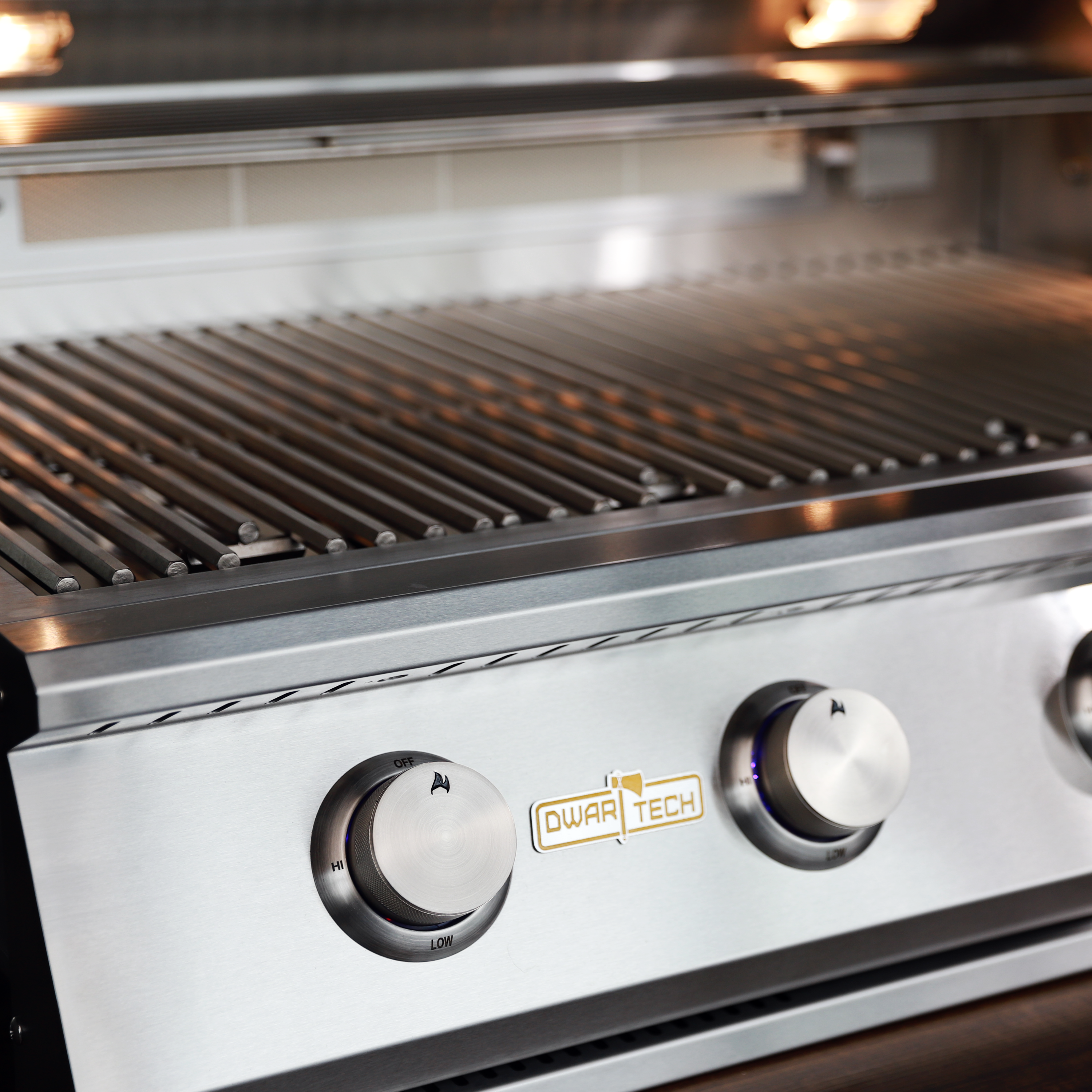
Stainless steel's thermal properties make it an excellent choice for outdoor cooking. The material provides consistent heat distribution, helping to eliminate hot spots that can lead to uneven cooking. When properly constructed, stainless steel cooking surfaces can maintain stable temperatures, crucial for achieving perfect results whether searing steaks or slow-cooking barbecue.
Modern stainless steel outdoor cooking equipment often incorporates specialized designs that enhance heat retention while minimizing energy waste. This efficiency not only improves cooking results but can also lead to reduced fuel consumption over time.
Maintenance and Care Considerations
Regular Cleaning Practices
While stainless steel outdoor cooking equipment is renowned for its durability, proper maintenance ensures optimal performance and longevity. Regular cleaning after each use prevents food residue buildup and maintains the surface's non-stick properties. A simple routine of warm water, mild dish soap, and a soft cloth is usually sufficient for daily cleaning.
For tougher stains or buildup, specialized stainless steel cleaners can be used without risking damage to the surface. However, it's essential to avoid abrasive cleaners or steel wool, which can scratch the surface and potentially compromise its corrosion resistance.
Long-term Protection Strategies
Protecting your investment in stainless steel outdoor cooking equipment involves more than just regular cleaning. Using covers when the equipment isn't in use helps shield it from unnecessary exposure to elements and potential damage. Additionally, periodic application of food-grade stainless steel polish can help maintain the lustrous finish and provide an extra layer of protection.
Strategic placement of outdoor cooking equipment, such as avoiding direct exposure to salt spray in coastal areas or positioning away from sprinkler systems, can significantly extend its service life. These simple precautions help preserve both the appearance and functionality of your stainless steel cooking equipment.
Cost Considerations and Value Analysis
Initial Investment Comparison
While stainless steel outdoor cooking equipment typically commands a higher initial price point compared to alternatives like cast iron or aluminum, the long-term value proposition often justifies the investment. The durability and longevity of stainless steel mean fewer replacements over time, potentially resulting in lower total ownership costs.
When evaluating the cost, it's important to consider factors beyond the purchase price, such as maintenance requirements, expected lifespan, and performance benefits. Quality stainless steel equipment often comes with better warranties and customer support, providing additional value security.
Long-term Economic Benefits
The economic advantages of choosing stainless steel for outdoor cooking extend beyond mere durability. The material's excellent heat efficiency can lead to reduced fuel consumption, while its resistance to wear and damage means fewer repairs or replacements of components. Additionally, stainless steel equipment often maintains its resale value better than alternatives, should you decide to upgrade in the future.
The minimal maintenance requirements translate to savings on cleaning supplies and protective treatments over time. When considering these factors alongside the material's proven longevity, stainless steel often emerges as the most cost-effective choice for serious outdoor cooking enthusiasts.
Frequently Asked Questions
How often should I clean my stainless steel outdoor cooking equipment?
For optimal performance and longevity, clean your stainless steel outdoor cooking equipment after each use. A thorough cleaning with warm water and mild soap, followed by proper drying, helps prevent food buildup and maintains the surface's cooking properties. Deep cleaning should be performed monthly or as needed based on usage frequency.
Can stainless steel outdoor cooking equipment be left outside year-round?
While high-quality stainless steel outdoor cooking equipment is designed to withstand various weather conditions, using protective covers and implementing basic maintenance practices will significantly extend its lifespan. In particularly harsh environments or during extended periods of non-use, consider additional protection or storage solutions.
What's the expected lifespan of stainless steel outdoor cooking equipment?
With proper care and maintenance, quality stainless steel outdoor cooking equipment can last 15-20 years or more. Factors affecting longevity include the grade of stainless steel used, environmental conditions, usage patterns, and maintenance practices. Many manufacturers offer warranties ranging from 10 to 15 years, demonstrating confidence in their products' durability.