
 EN
EN



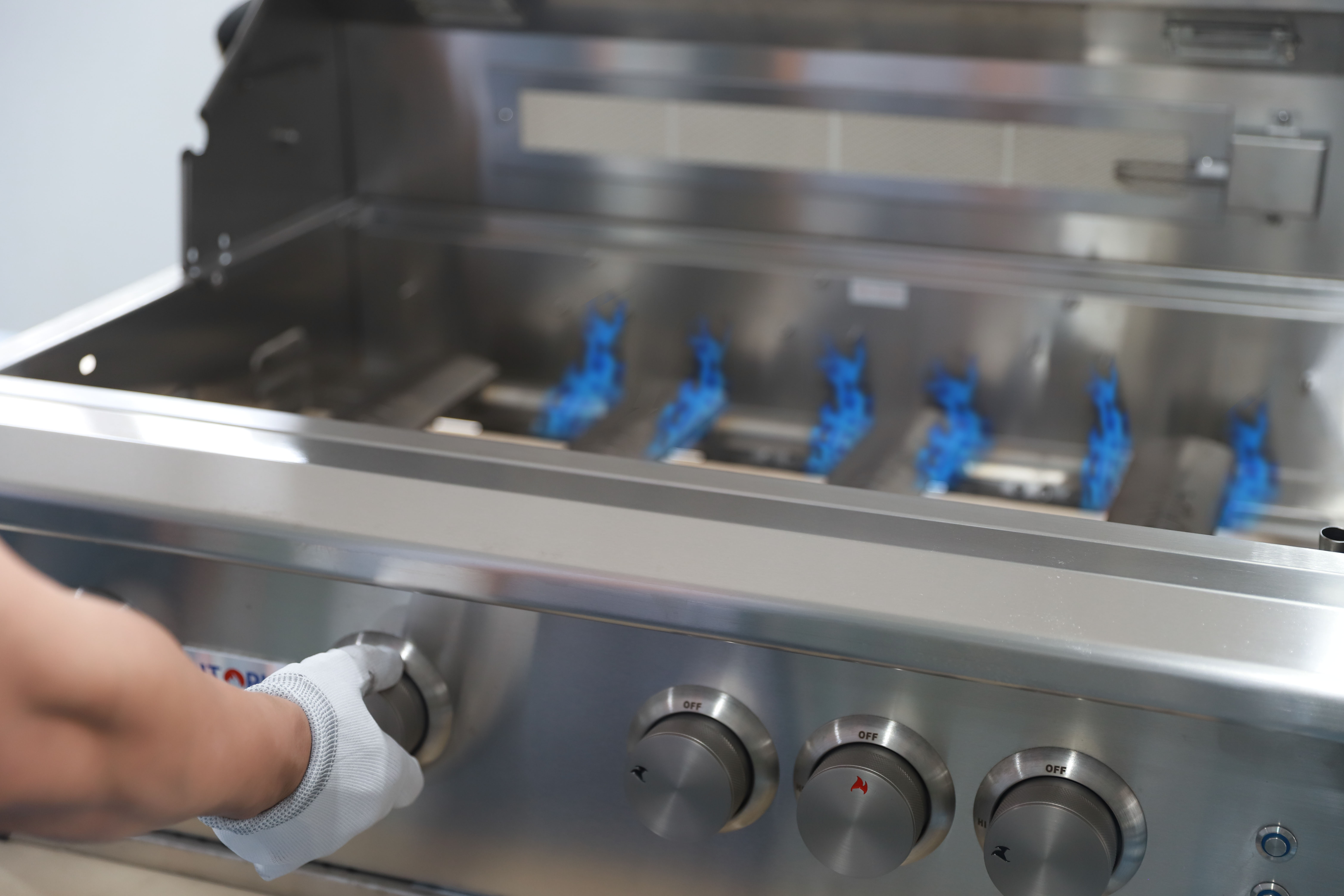
Understanding Modern Grill Manufacturing Partnerships
The landscape of grill manufacturing has evolved significantly in recent years, with OEM partnerships becoming increasingly crucial for businesses looking to enter or expand in the outdoor cooking market. Selecting the right grill manufacturer can make the difference between a successful product launch and a costly misstep. Today's manufacturing relationships require more than just production capabilities – they demand innovation, quality control, and seamless collaboration.
The global outdoor cooking industry continues to grow, with consumers demanding higher quality, more innovative features, and better value. This evolution has made the selection of a grill manufacturer more critical than ever. Companies must navigate complex factors including production capacity, technical expertise, and supply chain reliability to find the perfect manufacturing partner.
Essential Criteria for Evaluating Manufacturing Partners
Production Capabilities and Technology
When assessing a potential grill manufacturer, their production capabilities should be at the forefront of your evaluation. Modern manufacturing facilities should demonstrate advanced automation processes, state-of-the-art equipment, and efficient assembly lines. Look for manufacturers who have invested in the latest metal fabrication technology, powder coating systems, and quality control mechanisms.
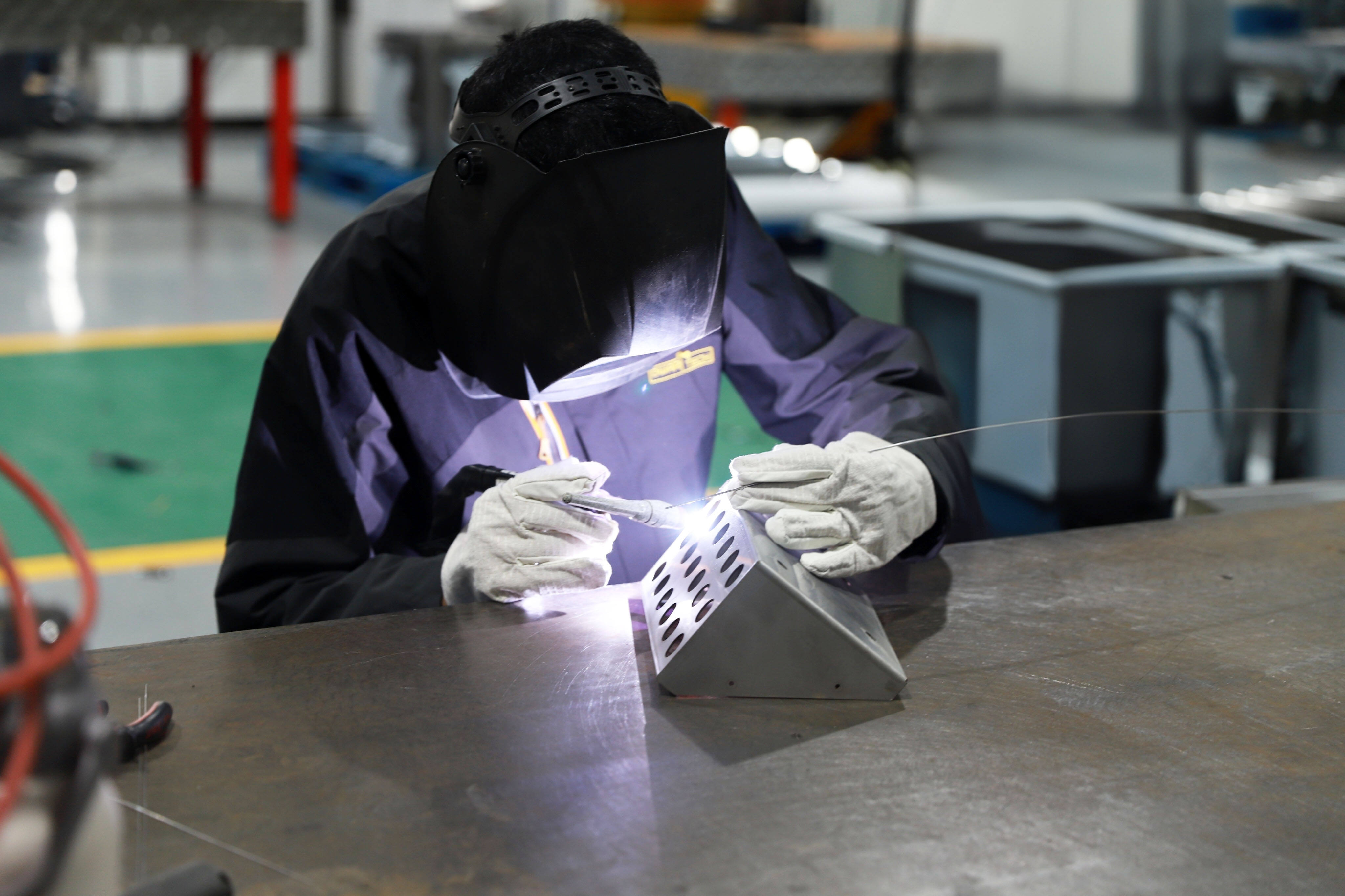
Technical expertise in various materials and manufacturing processes is equally important. The best manufacturers will have experience working with different metals, including stainless steel, cast aluminum, and high-grade steel. They should also demonstrate proficiency in various manufacturing techniques such as stamping, welding, and precision cutting.
Quality Control Systems
Superior quality control processes are non-negotiable when selecting a grill manufacturer. Look for partners who maintain strict quality management systems and hold relevant industry certifications. The manufacturer should have documented quality control procedures at every stage of production, from raw material inspection to final product testing.
Regular quality audits, testing protocols, and detailed documentation of quality metrics should be standard practice. The best manufacturers will also have dedicated quality control teams and sophisticated testing facilities to ensure every product meets specified standards.
Supply Chain and Logistics Considerations
Material Sourcing and Inventory Management
A reliable grill manufacturer should have established relationships with quality material suppliers and maintain robust inventory management systems. Their supply chain should be diversified to minimize risks and ensure consistent material availability. Look for manufacturers who demonstrate transparency in their sourcing practices and maintain adequate stock levels to prevent production delays.
The ability to handle fluctuating demand and maintain efficient inventory turnover is crucial. The best manufacturers will have sophisticated inventory tracking systems and the flexibility to adjust production schedules based on market demands.
Distribution and Shipping Capabilities
Effective logistics management is essential for successful OEM partnerships. Evaluate the manufacturer's shipping networks, warehouse facilities, and distribution capabilities. They should have experience in both domestic and international shipping, understanding various compliance requirements and documentation processes.
Consider their geographic location and proximity to major transportation hubs. The best manufacturers will offer multiple shipping options and have established relationships with reliable logistics partners to ensure timely delivery.
Partnership and Communication Framework
Project Management Approach
Successful OEM relationships require strong project management capabilities. The grill manufacturer should have dedicated project managers who can oversee all aspects of production, from initial design to final delivery. Look for partners who utilize modern project management tools and maintain clear communication channels.
Regular progress updates, milestone tracking, and problem-resolution protocols should be well-established. The manufacturer should demonstrate a proactive approach to addressing challenges and maintaining project timelines.
Technical Support and Innovation
Leading grill manufacturers provide comprehensive technical support and demonstrate a commitment to innovation. They should have experienced engineering teams capable of offering design improvements and technical solutions. Look for manufacturers who invest in research and development to stay ahead of industry trends.
The ability to provide prototype development, testing services, and design optimization is valuable. The best partners will also offer insights into emerging technologies and materials that could enhance product performance.
Financial Stability and Business Terms
Cost Structure and Pricing Models
Understanding the manufacturer's pricing structure and financial stability is crucial for long-term partnerships. Evaluate their pricing models, payment terms, and ability to offer competitive rates while maintaining quality standards. Look for manufacturers who provide transparent cost breakdowns and demonstrate financial responsibility.
Consider their ability to handle large orders and offer volume-based pricing. The best manufacturers will have flexible payment terms and the financial strength to support production scaling.
Contract Terms and Warranty Policies
Clear contract terms and comprehensive warranty policies protect both parties in an OEM relationship. Review the manufacturer's standard contracts, including intellectual property protection, quality guarantees, and dispute resolution procedures. The best partners will offer fair and balanced agreements that address all crucial aspects of the manufacturing relationship.
Warranty policies should be clearly defined and adequately support your business needs. Look for manufacturers who stand behind their products and have established processes for handling warranty claims.
Frequently Asked Questions
What certifications should a quality grill manufacturer possess?
A reputable grill manufacturer should hold ISO 9001 certification for quality management systems. Additional certifications might include CE marking for European markets, UL certification for safety standards, and specific regional certifications depending on your target markets. Environmental certifications like ISO 14001 are increasingly important for sustainability-conscious businesses.
How long should the sampling and prototype phase take?
The typical timeline for sampling and prototyping ranges from 4-12 weeks, depending on product complexity and design requirements. A professional grill manufacturer should provide a detailed timeline and regular updates throughout this phase, ensuring all specifications are met before moving to full production.
What minimum order quantities should I expect?
Minimum order quantities (MOQ) vary significantly among manufacturers, typically ranging from 500 to 5,000 units for initial orders. The best manufacturers will work with you to find a balance between their production efficiency requirements and your market entry strategy, potentially offering flexible MOQ terms for long-term partnerships.