
 EN
EN



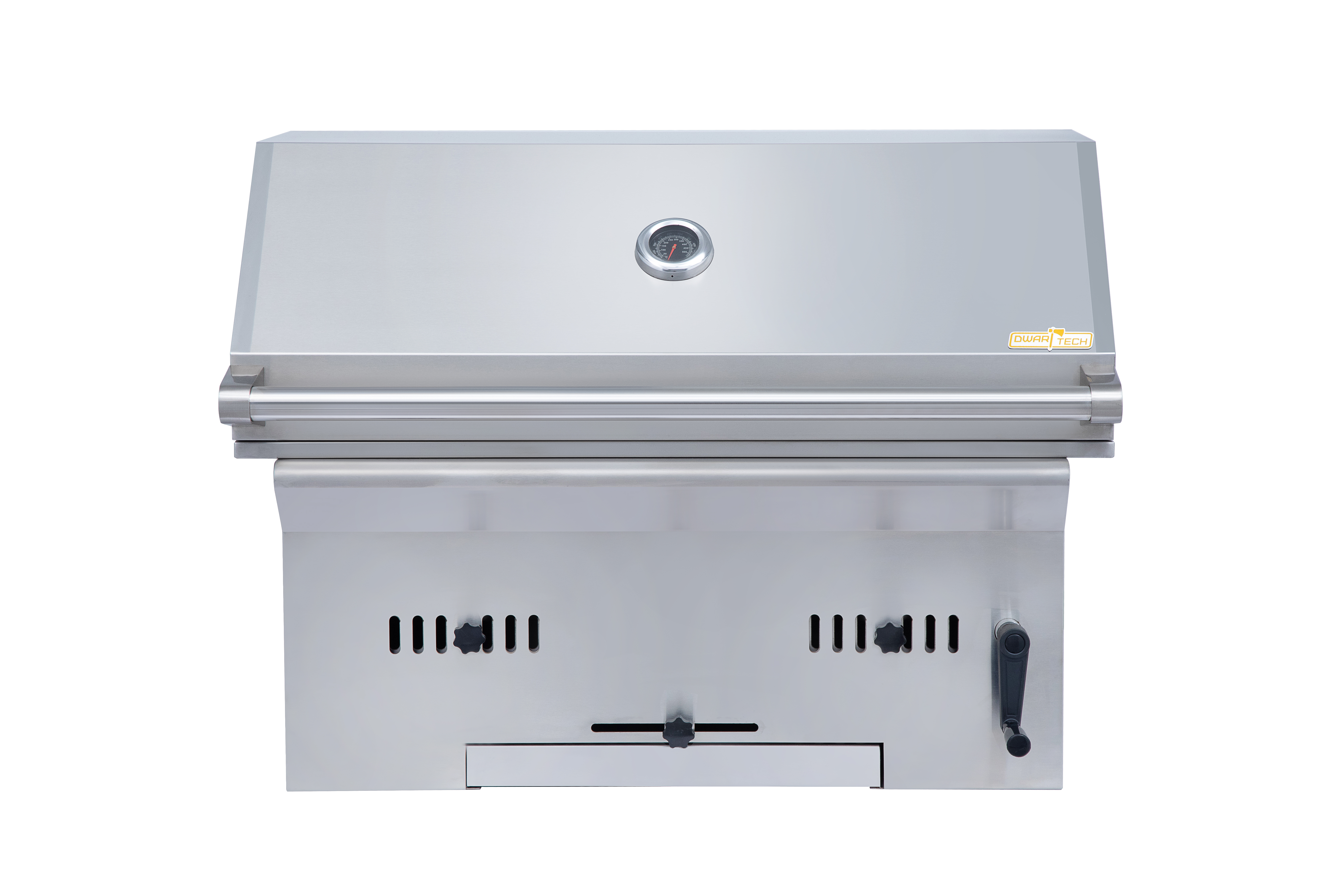
Essential Construction Materials for Premium Outdoor Grilling
When investing in a heavy duty BBQ grill, the materials used in its construction play a pivotal role in determining its durability, performance, and longevity. A truly robust grill isn't just about thickness – it's about the strategic combination of materials that can withstand intense heat, resist corrosion, and maintain structural integrity through years of use. Understanding these materials will help you make an informed decision for your outdoor cooking adventures.
Primary Grill Body Components
Stainless Steel Excellence
At the heart of every heavy duty BBQ grill lies high-grade stainless steel. The most premium models utilize 304-grade stainless steel, known for its exceptional rust resistance and ability to withstand high temperatures without warping. This commercial-grade material contains approximately 18% chromium and 8% nickel, creating a protective layer that prevents oxidation even in harsh weather conditions.
The thickness of the stainless steel also matters significantly. Professional-grade heavy duty BBQ grill manufacturers typically use 14-gauge or thicker steel for the cooking chamber, ensuring heat retention and even distribution. This substantial construction prevents the common issue of hot spots that can plague lighter grills.
Cast Aluminum Components
Cast aluminum serves as an excellent complementary material in heavy duty BBQ grill construction, particularly for hood components and side shelves. This material offers an optimal balance of durability and weight, while also providing superior rust resistance. Modern casting techniques allow for seamless construction that eliminates weak points where moisture could potentially accumulate.
The thermal properties of cast aluminum make it particularly valuable for grill hoods, as it efficiently reflects heat back onto the cooking surface while maintaining a cooler exterior temperature. This characteristic not only improves cooking performance but also enhances safety during operation.
Cooking Surface Materials
Cast Iron Grates
Cast iron cooking grates represent the gold standard for heavy duty BBQ grill surfaces. These substantial components provide excellent heat retention and distribution, creating those coveted sear marks on grilled foods. When properly seasoned, cast iron grates develop a natural non-stick surface that improves with each use.
Modern manufacturing techniques often include porcelain enameling on cast iron grates, combining the superior heat properties of cast iron with enhanced durability and easier maintenance. This coating prevents rust while maintaining the material's excellent heat distribution properties.
Stainless Steel Rod Grates
High-end heavy duty BBQ grill manufacturers often offer stainless steel rod grates as an alternative to cast iron. These grates, typically constructed from thick-gauge rods, provide excellent durability while requiring less maintenance than their cast iron counterparts. The spacing and thickness of these rods are carefully engineered to provide optimal heat transfer while preventing smaller food items from falling through.
Burner System Construction
Premium Burner Materials
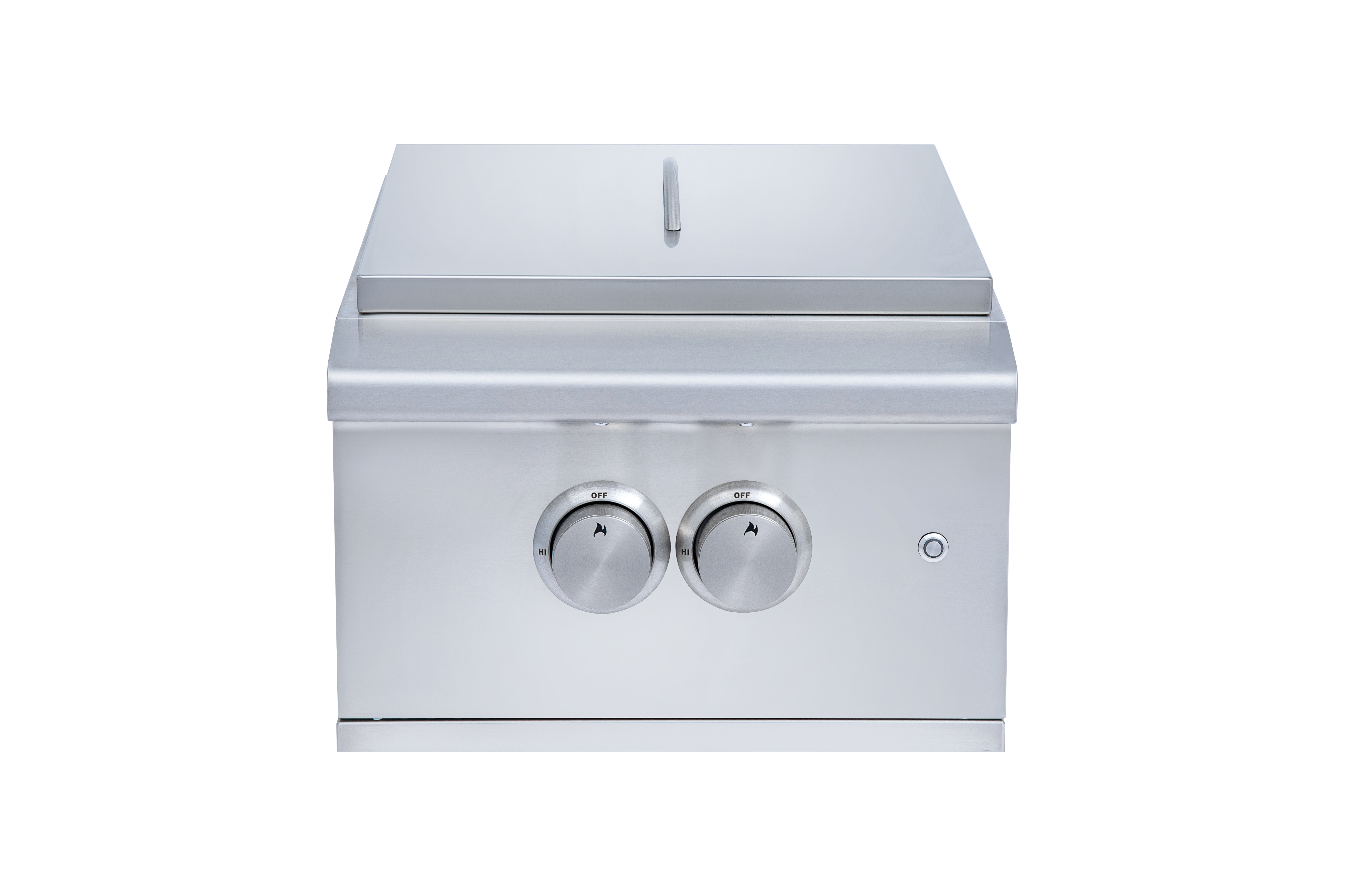
The burners in a heavy duty BBQ grill must withstand extreme temperatures while maintaining consistent performance. Commercial-grade stainless steel burners, particularly those made from 304-grade material, offer superior corrosion resistance and longevity. The most robust designs feature multiple ports with precision-engineered flame patterns for even heat distribution.
Some manufacturers incorporate ceramic infrared burners into their heavy duty BBQ grill designs. These specialized components can reach extremely high temperatures quickly, perfect for achieving steakhouse-quality sears. The ceramic material used must be industrial-grade to withstand thermal shock and repeated heating cycles.
Heat Distribution Systems
Between the burners and cooking grates, quality heavy duty BBQ grill designs incorporate sophisticated heat distribution systems. Stainless steel heat tents or flame tamers protect burners from drippings while vaporizing these juices to enhance flavor. The thickness and design of these components significantly impact their durability and performance.
Supporting Framework and Hardware
Structural Support Materials
The cart or stand of a heavy duty BBQ grill requires robust materials to support the considerable weight of the cooking chamber and withstand outdoor conditions. Welded stainless steel frames provide superior stability and durability compared to bolted aluminum construction. The gauge of the tubing used in these frames should be substantial enough to prevent any flexing or movement during use.
Quality Hardware Components
Often overlooked but crucial to long-term durability, the hardware used in a heavy duty BBQ grill must be corrosion-resistant and properly sized for their application. Commercial-grade stainless steel bolts, hinges, and fasteners ensure smooth operation of all moving parts while resisting rust and degradation. The weight and frequency of use demand heavy-duty casters with quality bearings for mobile units.
Frequently Asked Questions
What is the best material for grill grates in a heavy duty BBQ grill?
Both cast iron and stainless steel rod grates excel in heavy duty BBQ grills. Cast iron offers superior heat retention and develops a natural non-stick surface, while stainless steel provides excellent durability with minimal maintenance requirements. The choice often comes down to personal preference and cooking style.
How thick should the stainless steel be in a quality grill?
For a truly heavy duty BBQ grill, look for cooking chambers made from at least 14-gauge stainless steel. The burners should be constructed from commercial-grade materials with a thickness of at least 16-gauge to ensure longevity and consistent performance.
Are ceramic-coated components worth the investment?
Ceramic coatings, particularly on burners and heat distribution systems, can significantly enhance performance and durability. However, they must be industrial-grade ceramics designed specifically for high-temperature applications. Quality ceramic components can last for many years with proper care and maintenance.