
 EN
EN



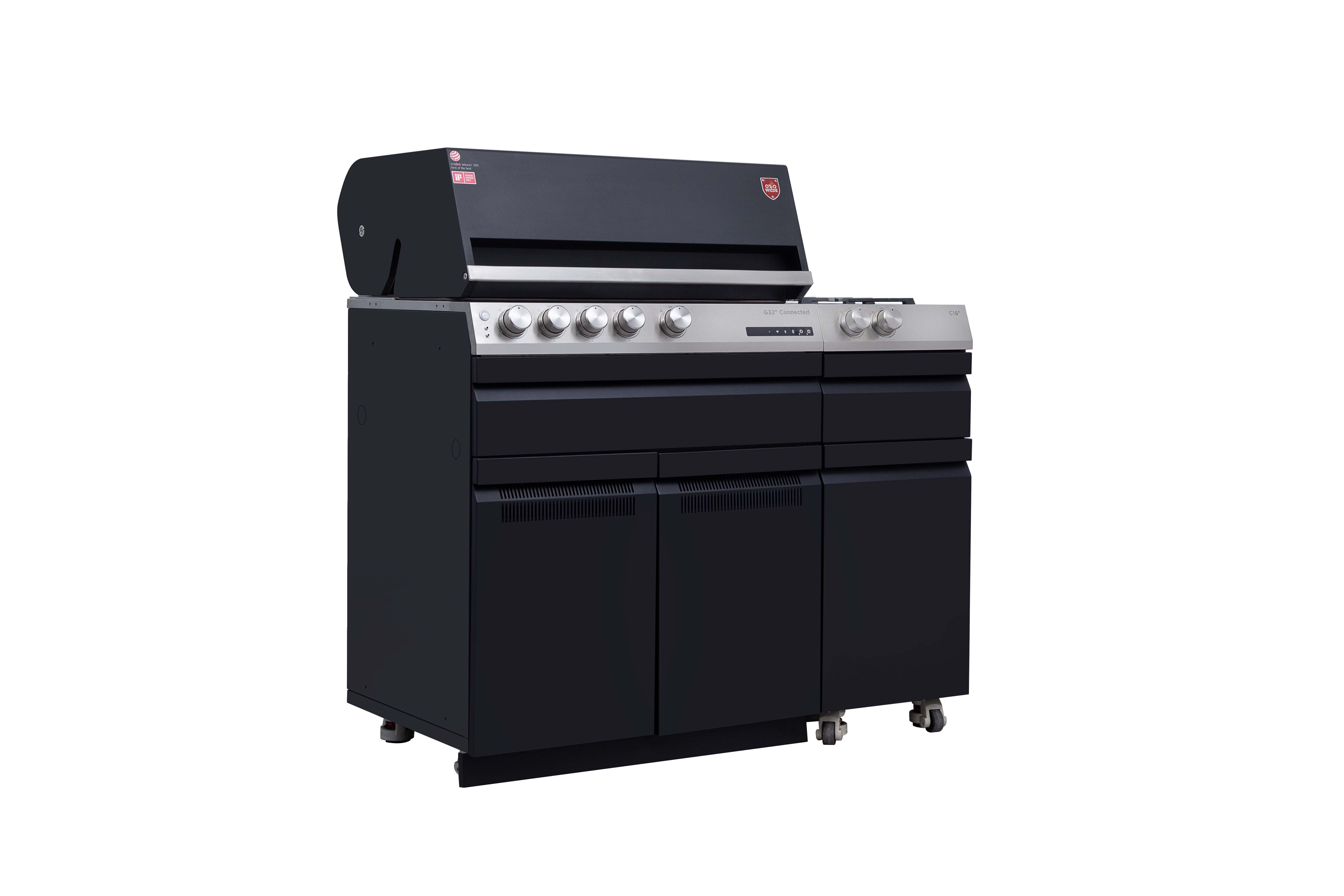
Commercial kitchens and foodservice establishments require reliable cooking equipment that can handle high-volume operations while maintaining consistent performance. Side burners have become an essential component for businesses looking to expand their cooking capacity without requiring significant space modifications. These versatile units provide additional cooking surfaces that can accommodate various cooking methods, from simmering sauces to boiling water for pasta preparation. Understanding the key considerations when purchasing side burners in bulk quantities can help businesses make informed decisions that enhance operational efficiency and long-term profitability.
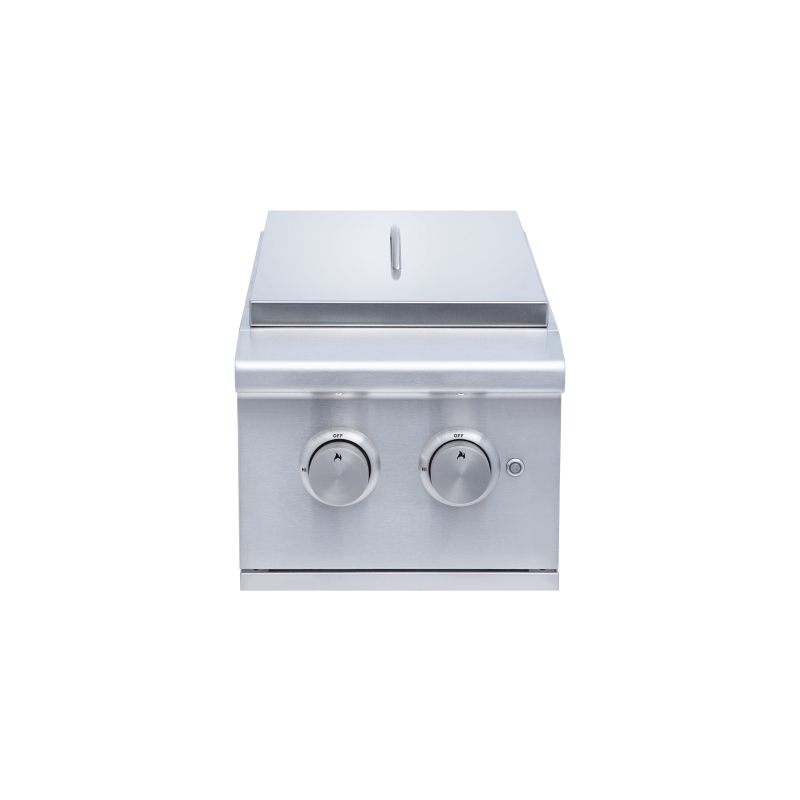
Essential Performance Specifications for Commercial Applications
Heat Output and BTU Requirements
The heat output capacity of side burners directly impacts cooking efficiency and service speed in commercial environments. Professional-grade units typically offer BTU ratings ranging from 12,000 to 30,000 per burner, with higher outputs suitable for rapid heating and high-volume cooking tasks. Businesses should evaluate their specific cooking requirements, considering factors such as menu complexity, service volume, and peak operational periods. Higher BTU ratings enable faster heating times and better temperature recovery when cooking vessels are placed on the burners, which translates to improved kitchen productivity during busy service periods.
Temperature control precision becomes increasingly important when preparing delicate sauces or maintaining consistent cooking temperatures across multiple dishes. Quality side burners feature adjustable flame controls that allow chefs to achieve precise temperature settings, from gentle simmering to high-heat searing. This versatility ensures that kitchen staff can execute diverse cooking techniques effectively, contributing to menu flexibility and dish quality consistency.
Construction Materials and Durability Standards
Commercial-grade side burners must withstand constant use and harsh kitchen environments while maintaining reliable performance over extended periods. Stainless steel construction provides excellent corrosion resistance and easy cleaning properties, making it the preferred material for professional kitchens. The gauge thickness of stainless steel components affects durability, with heavier gauge materials offering superior longevity and resistance to warping under high-heat conditions.
Burner head construction quality directly influences flame distribution and heat efficiency. Cast iron or brass burner heads provide excellent heat retention and even flame distribution, while corrosion-resistant coatings extend component lifespan. Businesses should examine the construction details of critical components, including gas valves, ignition systems, and mounting hardware, to ensure long-term reliability and minimize maintenance requirements.
Installation and Integration Considerations
Space Requirements and Kitchen Layout Compatibility
Effective integration of side burners into existing kitchen layouts requires careful consideration of available space and workflow patterns. Standard commercial side burners typically require specific clearance dimensions for safe operation and maintenance access. Businesses should measure available counter space, considering both the unit dimensions and required safety clearances from combustible materials and adjacent equipment.
Ventilation requirements play a crucial role in side burner placement, as adequate exhaust capacity ensures proper removal of heat and combustion byproducts. Kitchen designers must evaluate existing ventilation systems to determine if additional exhaust capacity is necessary when installing multiple units. Proper ventilation not only ensures safety compliance but also maintains comfortable working conditions for kitchen staff during peak operational periods.
Utility Connections and Infrastructure Requirements
Gas supply requirements vary depending on the number and capacity of side burners being installed, necessitating evaluation of existing gas line capacity and pressure ratings. Commercial installations typically require natural gas or propane connections with specific pressure requirements and safety shut-off valves. Businesses should consult with qualified gas technicians to ensure adequate supply capacity and proper installation procedures that comply with local building codes and safety regulations.
Electrical requirements for ignition systems and any integrated features must be addressed during planning phases. Modern side burners often incorporate electronic ignition systems that require stable electrical connections, while some models include additional features such as built-in timers or temperature monitoring systems. Proper electrical installation ensures reliable operation and reduces the risk of ignition failures during critical service periods.
Safety Features and Regulatory Compliance
Built-in Safety Systems and Controls
Commercial side burners must incorporate comprehensive safety features to protect kitchen staff and comply with industry regulations. Flame failure safety devices automatically shut off gas supply when flames are extinguished, preventing dangerous gas accumulation in kitchen environments. These systems provide essential protection during busy service periods when kitchen staff may not immediately notice extinguished flames due to high activity levels.
Thermocouple safety valves offer additional protection by monitoring pilot light or main burner flame presence and automatically closing gas valves when flames are not detected. Quality units feature robust safety valve systems that respond quickly to flame interruption while remaining stable during normal cooking operations. These features reduce liability risks and ensure compliance with commercial kitchen safety standards.
Certification Standards and Code Compliance
Professional side burners must meet specific certification standards established by recognized testing organizations such as NSF International and Underwriters Laboratories. These certifications verify that equipment meets safety, performance, and sanitation requirements for commercial foodservice applications. Businesses should verify that bulk purchase units carry appropriate certifications to ensure regulatory compliance and insurance coverage validity.
Local building codes and health department regulations may impose additional requirements for commercial cooking equipment installation and operation. Understanding these requirements before bulk purchasing helps avoid costly modifications or replacement expenses after installation. Working with certified installers and equipment suppliers familiar with local regulations streamlines the approval process and ensures compliant installations.
Maintenance and Service Considerations
Routine Maintenance Requirements
Regular maintenance schedules are essential for maintaining optimal performance and extending equipment lifespan in commercial environments. Side burners require periodic cleaning of burner heads, gas orifices, and control components to prevent blockages and ensure proper flame characteristics. Establishing standardized cleaning procedures helps kitchen staff maintain equipment effectively while identifying potential issues before they impact operational performance.
Component accessibility for maintenance tasks affects overall operational costs and equipment downtime. Well-designed side burners feature easily removable burner heads and accessible control components that simplify routine cleaning and inspection procedures. This accessibility reduces maintenance time requirements and enables kitchen staff to perform basic maintenance tasks without requiring specialized technical assistance.
Parts Availability and Service Support
Long-term operational success depends on reliable access to replacement parts and qualified service technicians. Businesses should evaluate manufacturer service networks and parts availability when selecting side burners for bulk orders, particularly for establishments operating in remote locations. Established manufacturers typically maintain comprehensive parts inventories and authorized service networks that ensure prompt resolution of maintenance issues.
Warranty coverage and service agreements provide additional protection for bulk equipment investments. Comprehensive warranty programs cover both parts and labor costs for specified periods, while extended service agreements can provide ongoing maintenance support beyond initial warranty periods. These programs help businesses budget for equipment maintenance costs while ensuring reliable service support throughout equipment lifecycles.
Cost Analysis and Budget Planning
Initial Investment Considerations
Bulk purchasing of side burners offers significant cost advantages compared to individual unit purchases, but requires careful evaluation of total investment requirements including installation and infrastructure costs. Volume pricing discounts can reduce per-unit costs substantially, particularly for orders exceeding manufacturer minimum quantities. However, businesses should consider total project costs including shipping, installation, and any required facility modifications when developing budget estimates.
Financing options for commercial equipment purchases can help businesses manage cash flow while acquiring necessary cooking equipment. Equipment leasing programs offer alternative acquisition methods that preserve working capital for other operational needs, while manufacturer financing programs may provide favorable terms for qualified buyers. Comparing financing options helps businesses optimize acquisition strategies based on specific financial circumstances and operational requirements.
Operating Cost Projections
Energy consumption represents a significant ongoing cost factor for commercial cooking equipment operations. High-efficiency side burners reduce fuel consumption while maintaining cooking performance, resulting in lower operating costs over equipment lifecycles. Businesses should evaluate energy efficiency ratings and consumption specifications when comparing different models to understand long-term operational cost implications.
Maintenance costs and replacement part expenses contribute to total ownership costs throughout equipment service lives. Quality construction and reliable component designs reduce maintenance frequency and associated labor costs, while readily available replacement parts minimize equipment downtime costs. Understanding these factors helps businesses make informed purchasing decisions that optimize total cost of ownership rather than focusing solely on initial acquisition costs.
FAQ
What is the typical lifespan of commercial side burners in high-volume operations
Commercial-grade side burners typically operate effectively for 8 to 12 years in high-volume foodservice environments when properly maintained. Heavy-duty construction materials and commercial-grade components enable extended service lives, while regular maintenance and proper operation practices can extend equipment lifespan beyond typical expectations. Factors such as usage intensity, maintenance quality, and operating environment conditions influence actual equipment longevity.
How many side burners can be connected to a single gas supply line
The number of side burners that can share a gas supply line depends on individual unit BTU requirements, supply line diameter, and gas pressure specifications. Most commercial installations support 4 to 8 standard units per supply line, though high-BTU models may require dedicated supply lines or larger diameter piping. Professional gas technicians should evaluate specific requirements and local code compliance for multi-unit installations.
Are there specific ventilation requirements for side burner installations
Commercial side burners require adequate exhaust ventilation to remove heat and combustion byproducts from kitchen environments. Ventilation requirements vary based on total BTU output and local building codes, typically requiring 100 to 150 CFM of exhaust capacity per 10,000 BTU of cooking equipment capacity. Proper hood placement and exhaust system sizing ensure effective heat and smoke removal while maintaining comfortable working conditions.
What warranty coverage should businesses expect for bulk side burner purchases
Standard warranty coverage for commercial side burners typically includes 1 to 2 years of parts and labor protection, with some manufacturers offering extended coverage for critical components such as burner assemblies and gas valves. Bulk purchase agreements often include enhanced warranty terms or service support provisions that provide additional protection for larger equipment investments. Extended service agreements can provide ongoing maintenance support beyond standard warranty periods.
Table of Contents
- Essential Performance Specifications for Commercial Applications
- Installation and Integration Considerations
- Safety Features and Regulatory Compliance
- Maintenance and Service Considerations
- Cost Analysis and Budget Planning
-
FAQ
- What is the typical lifespan of commercial side burners in high-volume operations
- How many side burners can be connected to a single gas supply line
- Are there specific ventilation requirements for side burner installations
- What warranty coverage should businesses expect for bulk side burner purchases