
 EN
EN



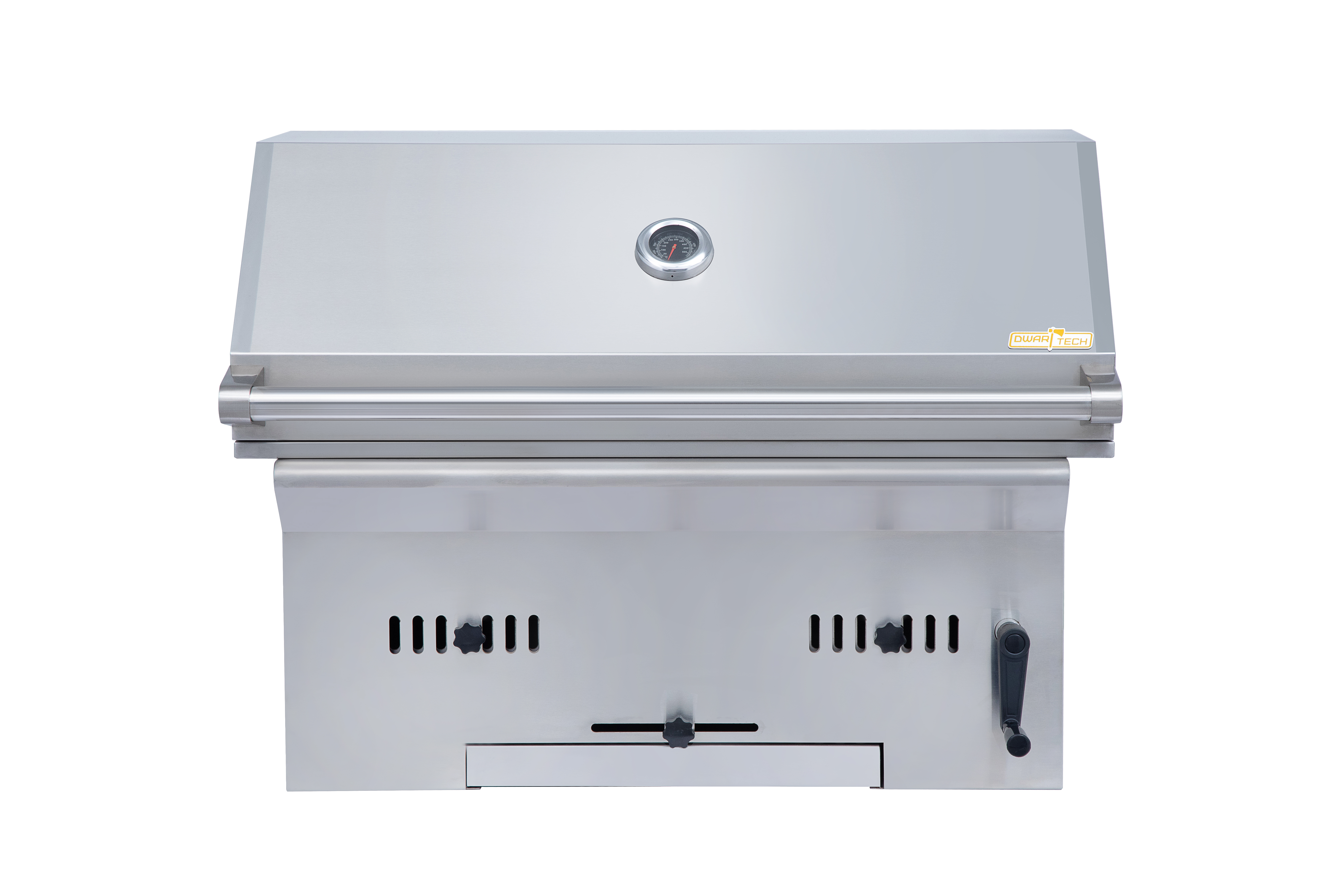
After a busy BBQ service in restaurants or hotels, cleaning your cooking equipment properly becomes crucial for maintaining food safety standards and extending equipment lifespan. Professional kitchens rely heavily on efficient griddle maintenance protocols to ensure consistent cooking performance and prevent cross-contamination between different food preparations. The cleaning process for commercial griddles requires specific techniques and timing to achieve optimal results while preserving the cooking surface integrity.
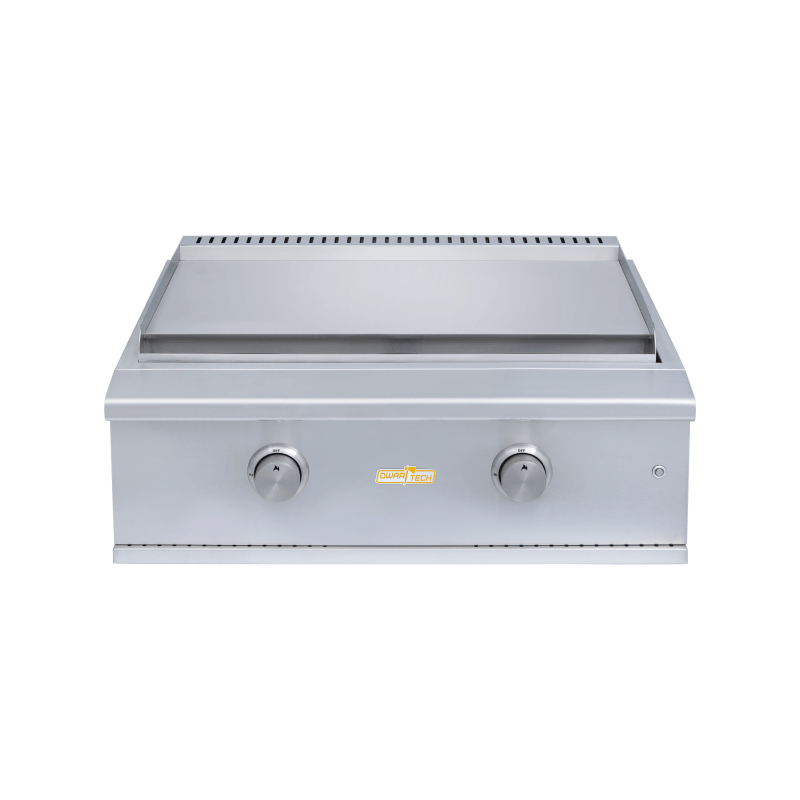
Understanding Commercial Griddle Cleaning Requirements
Food Safety Standards and Regulations
Commercial kitchens must adhere to strict health department regulations regarding equipment cleanliness and sanitation procedures. A properly maintained gas griddle prevents bacterial growth and ensures food safety compliance during health inspections. Regular cleaning schedules help establishments avoid costly violations and maintain their operating licenses without interruption.
Health inspectors specifically examine griddle surfaces for grease buildup, food particle residue, and proper sanitization protocols. Establishments that demonstrate consistent cleaning practices often receive higher inspection scores and fewer compliance issues. Professional kitchen staff must document cleaning procedures to maintain regulatory compliance and demonstrate due diligence in food safety management.
Equipment Longevity and Performance
Proper cleaning techniques significantly extend the operational lifespan of commercial griddle equipment while maintaining consistent cooking performance. Regular maintenance prevents corrosion, warping, and surface degradation that can affect food quality and cooking efficiency. Well-maintained griddles distribute heat more evenly and require less energy to reach optimal cooking temperatures.
Neglecting proper cleaning procedures can lead to costly repairs or premature equipment replacement that impacts restaurant profitability. Professional-grade griddles represent substantial capital investments that require consistent care to maximize return on investment. Establishing comprehensive cleaning protocols protects these valuable kitchen assets and ensures reliable operation during peak service periods.
Pre-Cleaning Preparation and Safety Measures
Temperature Management and Cooling
Allow the gas griddle surface to cool to a safe handling temperature before beginning any cleaning procedures to prevent burns or thermal shock damage. Most commercial griddles require approximately 30-45 minutes of cooling time after heavy use to reach appropriate cleaning temperatures. Monitor surface temperature using infrared thermometers or surface temperature indicators to ensure worker safety during cleaning operations.
Rapid temperature changes can cause griddle plates to warp or crack, resulting in expensive repairs and service interruptions. Gradual cooling preserves the integrity of cooking surfaces and prevents thermal stress that could compromise equipment performance. Professional kitchens often schedule cleaning activities to coincide with natural cooling periods between service shifts.
Gas Supply and Electrical Disconnection
Disconnect gas supplies and electrical connections according to manufacturer specifications before initiating deep cleaning procedures on commercial griddle equipment. Proper shutdown procedures prevent accidental ignition and ensure worker safety during intensive cleaning operations. Most gas griddle units feature dedicated shutoff valves and electrical disconnects for maintenance purposes.
Document shutdown procedures and verify all connections are properly secured before staff members begin cleaning activities. Establishing consistent safety protocols reduces workplace accidents and ensures compliance with occupational safety regulations. Professional kitchen managers should train all cleaning staff on proper equipment shutdown and restart procedures.
Essential Cleaning Tools and Supplies
Professional-Grade Cleaning Equipment
Commercial kitchens require specialized cleaning tools designed specifically for gas griddle maintenance and heavy-duty food service applications. Professional-grade scrapers, grill stones, and cleaning cloths withstand intensive use while effectively removing stubborn grease and food residue. Invest in quality cleaning equipment that provides consistent results and reduces cleaning time requirements.
Stainless steel scrapers and brass brushes effectively remove carbonized food particles without damaging griddle surfaces or compromising cooking performance. Heat-resistant cleaning cloths and microfiber towels provide superior absorption and cleaning efficiency compared to standard kitchen towels. Professional cleaning equipment pays for itself through improved efficiency and reduced replacement costs over time.
Chemical Cleaning Solutions
Select food-safe degreasers and sanitizing solutions specifically formulated for commercial kitchen equipment and high-temperature cooking surfaces. Professional cleaning chemicals provide superior grease-cutting power while meeting food safety standards and environmental regulations. Always verify chemical compatibility with specific griddle materials and surface coatings before application.
Alkaline degreasers effectively break down protein and fat residues that accumulate during heavy BBQ service periods in commercial kitchens. Enzymatic cleaners provide excellent results for organic soil removal while remaining gentle on equipment surfaces and environmental systems. Proper chemical selection reduces cleaning time and improves overall sanitation effectiveness in professional food service operations.
Step-by-Step Deep Cleaning Process
Initial Debris and Grease Removal
Begin the cleaning process by removing large food particles and excess grease using professional-grade scrapers and absorbent materials designed for commercial kitchen use. Work systematically across the entire gas griddle surface to prevent debris from spreading or becoming embedded in surface textures. Collect removed materials in designated waste containers to maintain sanitary working conditions throughout the cleaning process.
Apply warm water to soften stubborn grease deposits and facilitate easier removal without damaging the griddle surface finish. Use gentle scraping motions to preserve surface integrity while effectively removing accumulated cooking residues from heavy BBQ service periods. Professional cleaning techniques ensure thorough debris removal while protecting expensive equipment investments from damage or premature wear.
Surface Degreasing and Sanitization
Apply commercial-grade degreasing solutions according to manufacturer specifications, allowing adequate contact time for effective grease breakdown and removal. Use clean microfiber cloths or professional cleaning pads to work degreasing chemicals into surface areas where grease accumulation typically occurs. Ensure complete coverage of all cooking surfaces, including edges and corners where residue commonly builds up during service periods.
Rinse thoroughly with clean water to remove all chemical residues and prevent flavor transfer to future food preparations in commercial kitchen operations. Follow degreasing with approved sanitizing solutions to eliminate bacteria and achieve compliance with health department standards for food contact surfaces. Allow proper contact time for sanitizers to achieve effective microbial reduction as specified by manufacturer guidelines and regulatory requirements.
Maintenance Best Practices
Daily Cleaning Routines
Establish consistent daily cleaning schedules that address both end-of-shift maintenance and periodic deep cleaning requirements for optimal gas griddle performance. Daily maintenance should include surface scraping, grease removal, and basic sanitization to prevent buildup of cooking residues. Consistent daily care reduces the intensity of deep cleaning sessions and maintains equipment performance between major maintenance intervals.
Train kitchen staff on proper daily maintenance procedures to ensure consistency and quality in equipment care across all service shifts. Document daily cleaning activities to demonstrate compliance with food safety regulations and maintain records for equipment warranty purposes. Regular daily maintenance prevents minor issues from developing into costly repairs or equipment failures during critical service periods.
Preventive Maintenance Scheduling
Develop comprehensive maintenance schedules that include weekly deep cleaning, monthly inspections, and quarterly professional servicing for commercial griddle equipment. Preventive maintenance identifies potential issues before they impact operations and extends equipment lifespan through proactive care. Schedule maintenance activities during low-demand periods to minimize service disruptions and maintain operational efficiency.
Coordinate with equipment manufacturers and certified service technicians to ensure proper maintenance procedures and warranty compliance for gas griddle equipment. Professional servicing addresses technical issues beyond routine cleaning and ensures optimal performance throughout the equipment lifecycle. Proper scheduling maximizes equipment availability while maintaining peak performance standards in commercial kitchen operations.
Troubleshooting Common Cleaning Challenges
Stubborn Grease and Carbon Buildup
Address persistent grease and carbon deposits using specialized cleaning techniques and professional-grade chemical solutions designed for heavy-duty commercial applications. Stubborn buildup often requires multiple cleaning cycles with appropriate dwell times to achieve complete removal without surface damage. Professional cleaning methods ensure thorough results while preserving equipment integrity and cooking performance.
Consider using enzymatic cleaners for organic deposits and alkaline degreasers for mineral and protein buildup that occurs during intensive BBQ service. Heat application during cleaning can enhance chemical effectiveness while remaining within safe temperature ranges for equipment and personnel. Persistent cleaning challenges may require professional service intervention to prevent equipment damage or performance degradation.
Surface Discoloration and Staining
Surface discoloration on gas griddle equipment often results from high-temperature cooking and chemical reactions between food acids and metal surfaces. Professional cleaning techniques can minimize staining while preserving surface functionality and appearance in commercial kitchen environments. Regular maintenance prevents permanent staining that could affect food quality or equipment aesthetics.
Use appropriate cleaning chemicals and techniques based on the specific type of staining and griddle surface materials to achieve optimal results. Stainless steel surfaces require different approaches compared to seasoned steel or coated surfaces commonly found in commercial equipment. Professional consultation may be necessary for persistent staining issues that resist standard cleaning procedures.
FAQ
How often should commercial gas griddles be deep cleaned after heavy BBQ use
Commercial gas griddles should receive thorough deep cleaning after every heavy BBQ service session, typically daily in high-volume operations. Regular deep cleaning prevents grease buildup and maintains food safety standards required in professional kitchens. Establishments serving BBQ regularly may require twice-daily deep cleaning during peak seasons to maintain optimal equipment performance and regulatory compliance.
What cleaning chemicals are safe for food contact surfaces on gas griddles
Use only EPA-approved, food-safe cleaning chemicals specifically designed for commercial kitchen equipment and high-temperature cooking surfaces. Alkaline degreasers, enzymatic cleaners, and approved sanitizing solutions provide effective cleaning while meeting food safety regulations. Always verify chemical compatibility with your specific griddle materials and follow manufacturer dilution ratios to ensure safety and effectiveness.
Can I use water directly on a hot gas griddle surface for cleaning
Never apply water directly to hot griddle surfaces as this can cause dangerous steam, thermal shock damage, and potential warping of cooking plates. Allow equipment to cool to safe handling temperatures before beginning any wet cleaning procedures. Use minimal moisture during cleaning and ensure complete drying before reheating to prevent corrosion and maintain equipment integrity.
What are the signs that a gas griddle needs professional maintenance beyond regular cleaning
Signs requiring professional maintenance include uneven heating patterns, persistent odors after cleaning, visible corrosion or pitting, and difficulty maintaining consistent temperatures. Gas connection issues, ignition problems, and unusual noises during operation also indicate the need for certified technician intervention. Address these issues promptly to prevent safety hazards and avoid costly equipment replacement in commercial kitchen operations.
Table of Contents
- Understanding Commercial Griddle Cleaning Requirements
- Pre-Cleaning Preparation and Safety Measures
- Essential Cleaning Tools and Supplies
- Step-by-Step Deep Cleaning Process
- Maintenance Best Practices
- Troubleshooting Common Cleaning Challenges
-
FAQ
- How often should commercial gas griddles be deep cleaned after heavy BBQ use
- What cleaning chemicals are safe for food contact surfaces on gas griddles
- Can I use water directly on a hot gas griddle surface for cleaning
- What are the signs that a gas griddle needs professional maintenance beyond regular cleaning