
 EN
EN



Evaluating Manufacturing Excellence in Modern Grill Production
The journey to find a dependable grill factory requires careful consideration and thorough research. Whether you're a distributor, retailer, or business owner looking to establish a lasting partnership with a manufacturer, understanding what makes a grill factory truly reliable can make the difference between success and costly setbacks. The global outdoor cooking industry continues to expand, making it crucial to partner with a factory that not only meets current demands but also stays ahead of emerging trends and technological advancements.
In today's competitive market, a reputable grill factory must demonstrate excellence across multiple dimensions, from production capabilities to quality control measures. This comprehensive guide will explore the essential factors to consider when selecting a manufacturing partner for your grilling products, ensuring you make an informed decision that aligns with your business objectives.
Production Capabilities and Manufacturing Standards
State-of-the-Art Equipment and Technology
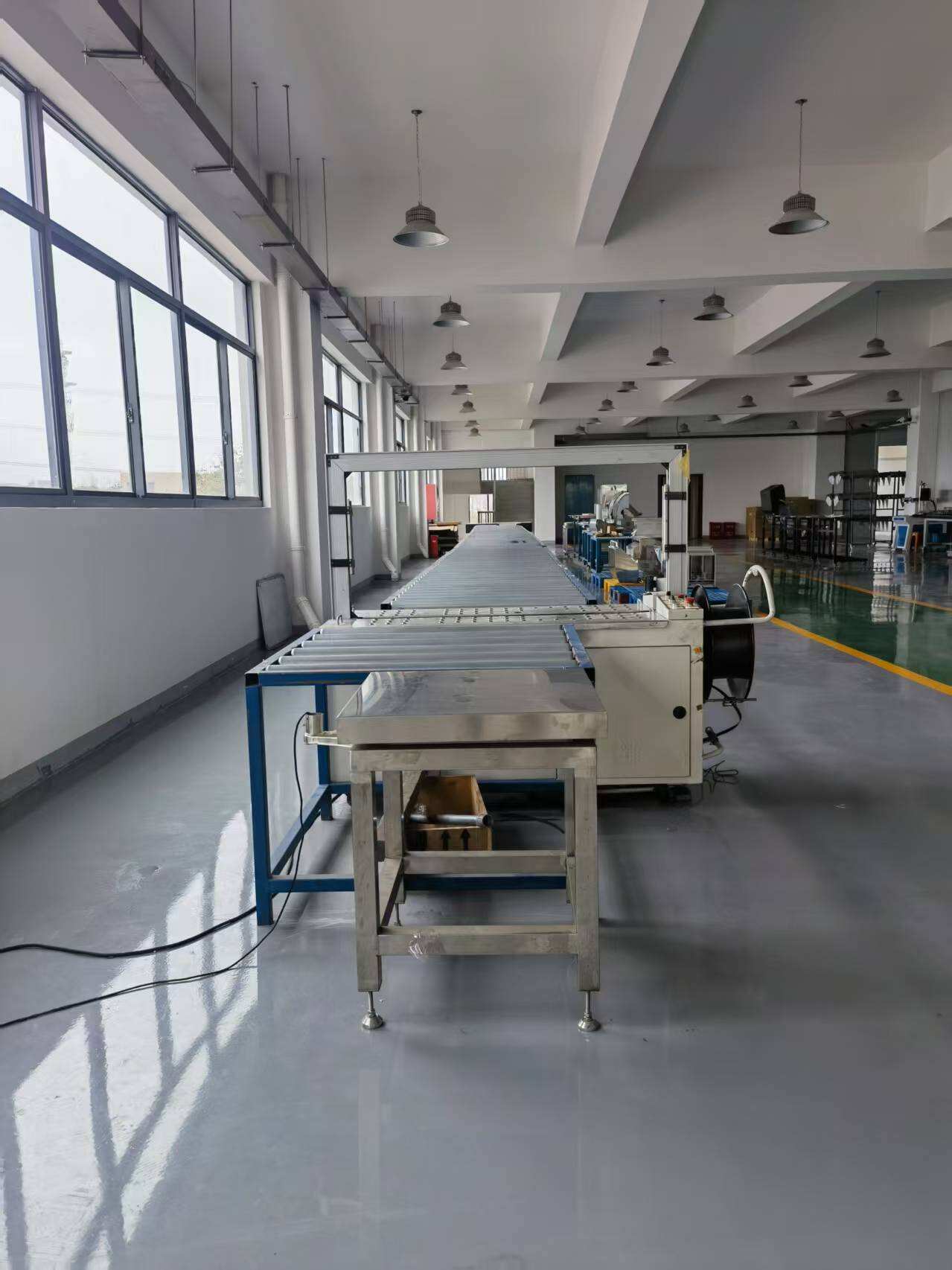
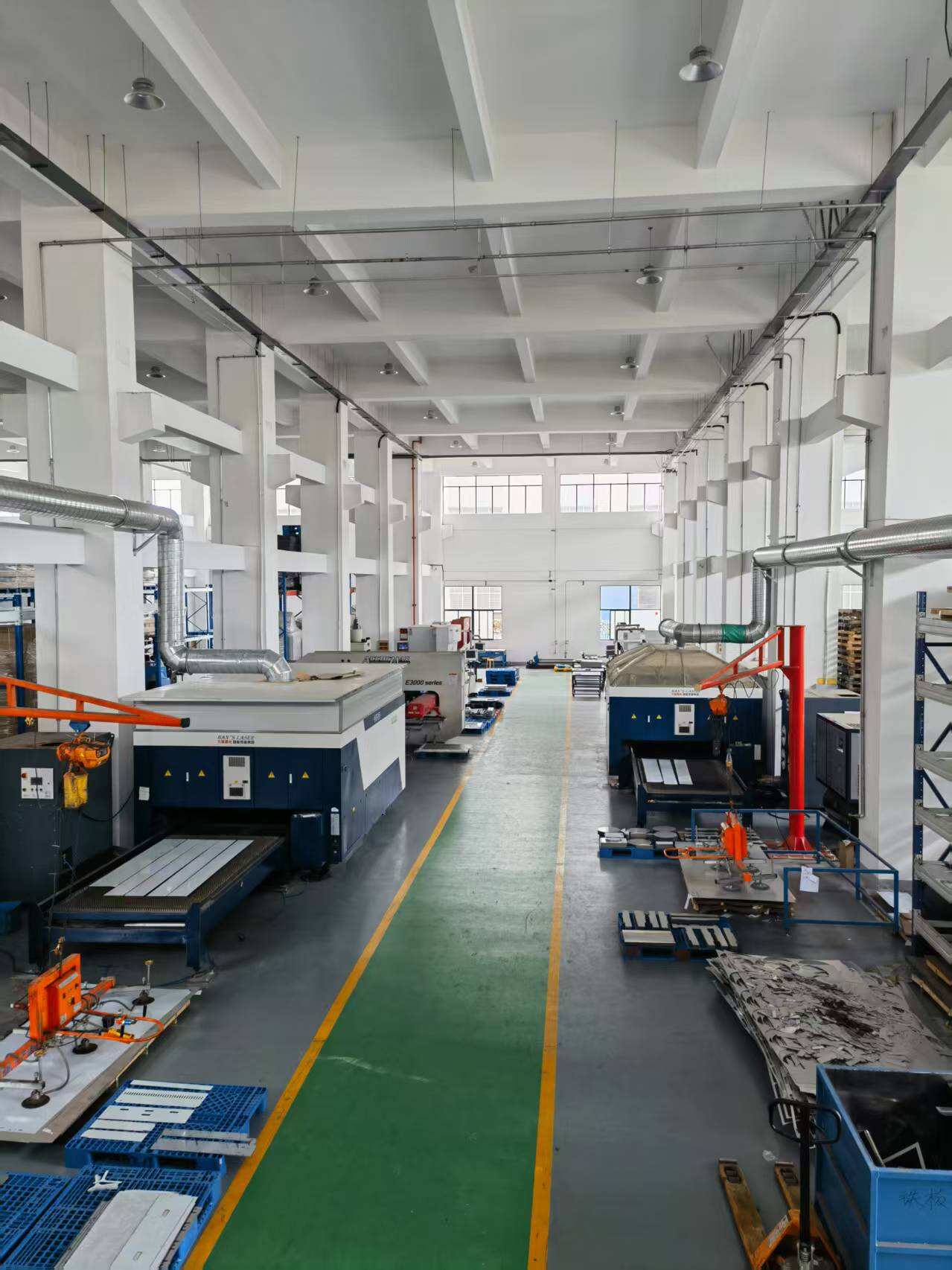
A leading grill factory should invest in modern manufacturing equipment and stay current with technological innovations. Advanced machinery ensures precision in production, consistency in quality, and higher efficiency levels. Look for facilities that utilize automated welding systems, computer-controlled cutting equipment, and sophisticated testing apparatus. These technological investments often translate to better product quality and more competitive pricing.
Moreover, cutting-edge production lines should feature real-time monitoring systems that track manufacturing metrics and maintain quality standards throughout the production process. This level of technological integration helps prevent defects and ensures each grill meets specified requirements before leaving the factory floor.
Production Capacity and Scalability
Understanding a grill factory's production capacity is crucial for long-term partnership success. The facility should demonstrate the ability to handle your current order volumes while showing potential for scaling up production as your business grows. This includes having multiple production lines, efficient inventory management systems, and the flexibility to adjust output based on seasonal demands.
Consider whether the factory has expansion plans or has recently upgraded its facilities. A forward-thinking manufacturer will continuously invest in increasing capacity and improving efficiency to meet growing market demands.
Quality Control and Material Standards
Material Selection and Sourcing
Premium grill production begins with superior materials. A reliable grill factory should have established relationships with reputable material suppliers and maintain strict standards for raw material quality. This includes using appropriate grades of stainless steel, cast iron, or aluminum, depending on the product specifications.
The factory should be transparent about their material sourcing practices and be able to provide documentation regarding material quality and testing certificates. Look for manufacturers who conduct regular supplier audits and maintain detailed records of material specifications and testing results.
Quality Assurance Processes
Comprehensive quality control measures should be evident at every stage of production. This includes incoming material inspection, in-process quality checks, and final product testing. A reputable grill factory will have dedicated quality control teams and established procedures for identifying and addressing defects.
Request information about their quality management systems, such as ISO certifications or other industry-specific standards. The factory should also maintain detailed documentation of their quality control procedures and be willing to share test results and inspection reports.
Research and Development Capabilities
Innovation and Product Development
A forward-thinking grill factory should have a dedicated research and development department focused on innovation and product improvement. This team should actively work on developing new features, improving existing designs, and incorporating customer feedback into product updates.
Look for manufacturers who can demonstrate their commitment to innovation through patent portfolios, new product launches, and continuous improvement initiatives. They should also be able to provide prototyping services and support for custom design requirements.
Testing and Certification Facilities
In-house testing capabilities are essential for ensuring product safety and performance. A reliable grill factory should maintain well-equipped laboratories for conducting various tests, including durability testing, heat distribution analysis, and safety certification testing.
The facility should be capable of performing tests required by different international standards and maintaining relationships with third-party testing laboratories when necessary. This ensures products meet safety and performance requirements for various global markets.
Environmental and Social Responsibility
Sustainable Manufacturing Practices
Modern consumers and businesses increasingly value environmental responsibility. A progressive grill factory should demonstrate commitment to sustainable manufacturing practices, including energy-efficient production methods, waste reduction programs, and environmentally friendly finishing processes.
Look for manufacturers who have implemented recycling programs, use renewable energy sources, or have obtained environmental certifications. These initiatives not only benefit the environment but can also lead to cost savings and improved brand reputation.
Worker Safety and Social Compliance
Employee welfare and safety should be top priorities for any manufacturing facility. A reliable grill factory will maintain high standards for workplace safety, fair labor practices, and employee training programs. This includes proper ventilation systems, personal protective equipment, and regular safety training sessions.
Request information about their social compliance certifications, worker safety records, and employee development programs. These factors indicate the factory's commitment to ethical manufacturing practices and long-term sustainability.
Frequently Asked Questions
How important is factory location when choosing a grill manufacturer?
Factory location can significantly impact shipping costs, lead times, and communication efficiency. While domestic manufacturers might offer faster delivery and easier communication, international factories might provide more competitive pricing. Consider factors such as shipping infrastructure, import regulations, and time zone differences when evaluating potential manufacturing partners.
What minimum order quantities should I expect from a grill factory?
Minimum order quantities (MOQ) vary widely among manufacturers and depend on factors such as production capacity, product complexity, and manufacturing efficiency. A reliable factory should be transparent about their MOQ requirements and willing to discuss flexible options for both small and large orders.
How can I verify a grill factory's quality standards and certifications?
Request copies of current certifications, arrange factory audits, and ask for sample products for quality testing. Reputable manufacturers should willingly provide documentation of their quality management systems, testing procedures, and certification compliance. Consider working with third-party inspection services for additional verification.
What role should after-sales support play in selecting a grill factory?
After-sales support is crucial for long-term success. Look for manufacturers who offer comprehensive warranty programs, maintain spare parts inventory, and provide technical support for product issues. A reliable factory should demonstrate commitment to customer satisfaction beyond the initial sale and be ready to address any quality concerns promptly.