
 EN
EN



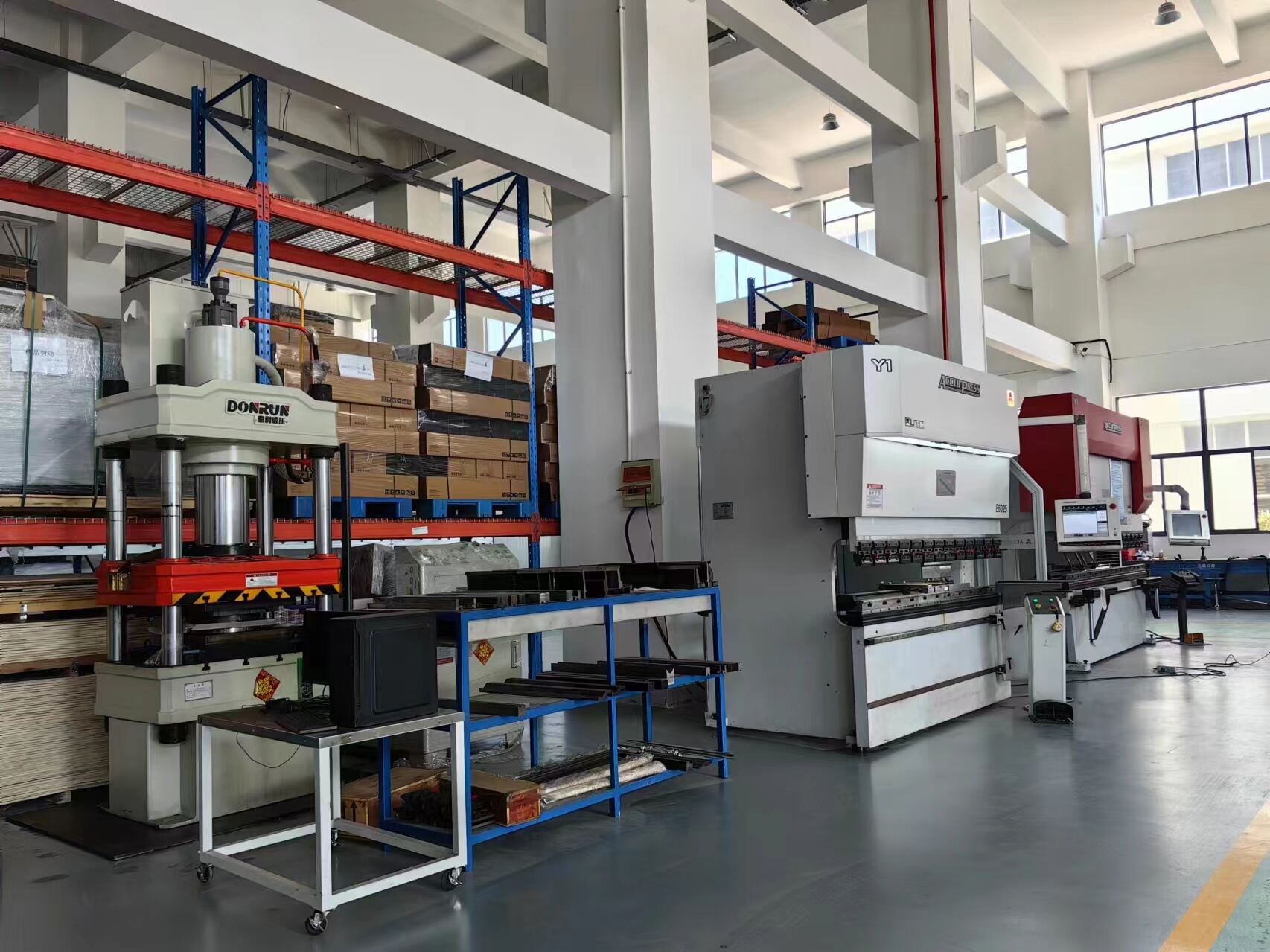
Inside Modern Grill Manufacturing: Setting Industry Standards
The journey of creating high-quality grills begins long before the first component is assembled. Modern grill factories implement rigorous quality control measures throughout their entire production process, from raw material selection to final product testing. This comprehensive approach ensures that every grill leaving the factory meets strict safety standards and performance expectations.
Material Selection and Testing Protocols
Raw Material Verification Process
A grill factory quality system starts with careful material selection. Premium stainless steel, cast iron, and aluminum components undergo thorough testing for durability, heat resistance, and corrosion protection. Each batch of incoming materials is subject to metallurgical analysis to verify composition and structural integrity. This meticulous screening process ensures that only materials meeting precise specifications enter the production line.
Quality control teams employ advanced testing equipment, including spectrometers and tensile strength analyzers, to evaluate material properties. These tests confirm that metals can withstand extreme temperatures and weather conditions, ultimately contributing to the grill's longevity and performance.
Component Specifications and Standards
Every component used in grill assembly must meet detailed engineering specifications. Quality control engineers establish strict tolerances for dimensions, weight, and structural characteristics. This attention to detail extends to smaller components like fasteners, valves, and regulators, which are crucial for safety and functionality.
The grill factory quality system maintains detailed documentation of all component specifications, ensuring consistency across production runs. Regular audits verify that suppliers consistently meet these exacting standards, maintaining the integrity of the supply chain.
Manufacturing Process Controls
Assembly Line Quality Checkpoints
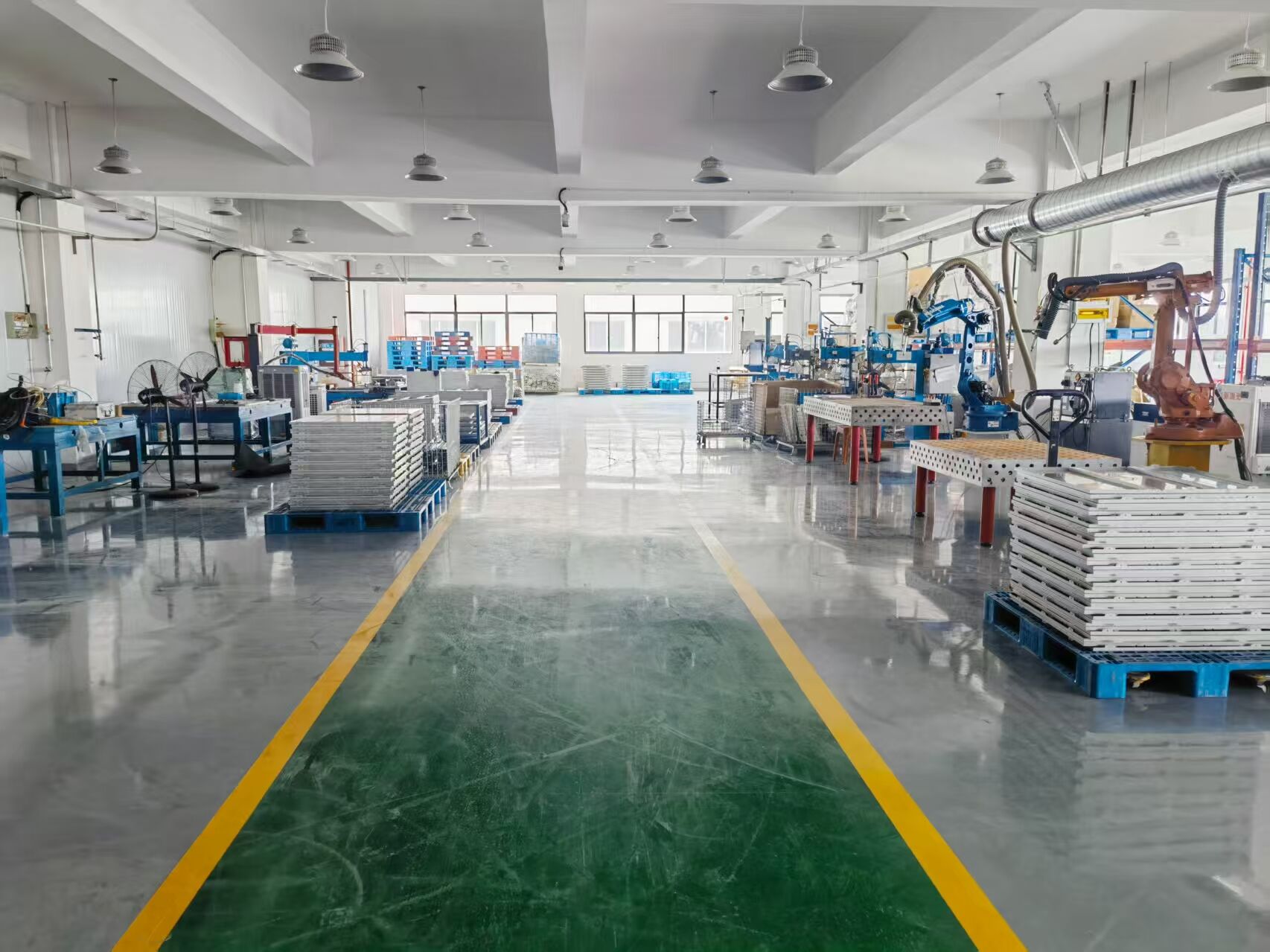
Modern grill factories implement multiple quality control checkpoints throughout the assembly process. Trained inspectors verify proper component fit, alignment, and functionality at each stage. Automated systems and precision tools assist in maintaining consistent quality standards across all production lines.
Real-time monitoring systems track key performance indicators, allowing immediate identification and correction of any deviations from established standards. This proactive approach minimizes defects and ensures efficient production flow while maintaining high-quality standards.
Welding and Joint Inspection
Welding quality is paramount in grill construction. Certified welders follow detailed procedures, and each weld undergoes both visual and technical inspection. Advanced testing methods, including ultrasonic testing and pressure tests, verify the integrity of all joints and seams.
Quality control specialists regularly calibrate welding equipment and monitor environmental conditions to maintain optimal welding parameters. Documentation of all welding processes ensures traceability and consistency in production standards.
Testing and Validation Procedures
Performance Testing Protocols
Before receiving approval for shipment, each grill undergoes comprehensive performance testing. This includes heat distribution analysis, temperature control verification, and fuel system safety checks. Specialized testing chambers simulate various cooking conditions to ensure consistent performance across all units.
Engineers conduct burn-in tests to verify proper heat management and identify any potential issues with temperature regulation or fuel efficiency. These tests help ensure that every grill meets or exceeds industry safety standards and performance expectations.
Safety Compliance Verification
Safety testing is a critical component of the grill factory quality assurance process. Each unit undergoes rigorous safety inspections, including gas leak detection, stability testing, and verification of all safety features. Compliance with international safety standards is documented and verified before any grill leaves the facility.
Quality control teams regularly update testing protocols to incorporate new safety requirements and industry best practices. This commitment to safety ensures that every grill meets or exceeds current safety regulations in all target markets.
Quality Management Systems
Documentation and Traceability
Modern grill factories maintain comprehensive quality management systems that track every aspect of production. Each unit receives a unique identifier, allowing complete traceability from raw materials through final assembly. This system facilitates quick identification and resolution of any quality issues that may arise.
Digital record-keeping systems store detailed information about production parameters, test results, and quality inspections. This data helps identify trends, optimize processes, and maintain consistent quality standards across all production runs.
Continuous Improvement Programs
Quality assurance in grill manufacturing is an evolving process. Factories implement continuous improvement programs that analyze production data, customer feedback, and market requirements to enhance product quality and manufacturing efficiency. Regular training programs ensure that staff remain current with the latest quality control techniques and standards.
Cross-functional teams work together to identify opportunities for improvement and implement solutions that enhance product quality while maintaining production efficiency. This collaborative approach helps maintain the factory's competitive edge in the market.
Frequently Asked Questions
What quality certifications do grill factories typically maintain?
Most reputable grill factories maintain ISO 9001 certification for quality management systems, along with specific certifications for gas appliance manufacturing. They often also hold UL, CSA, and CE certifications, depending on their target markets.
How often do grill factories update their quality control procedures?
Quality control procedures undergo regular review and updates, typically on a quarterly basis or whenever new industry standards are introduced. Factories also conduct annual comprehensive audits of their quality management systems to ensure continued effectiveness.
What happens to grills that don't meet quality standards?
Grills that fail to meet quality standards during any phase of production are immediately removed from the assembly line. Depending on the nature of the defect, units may be disassembled for parts recovery or scrapped entirely, ensuring that only products meeting all quality criteria reach consumers.