
 EN
EN



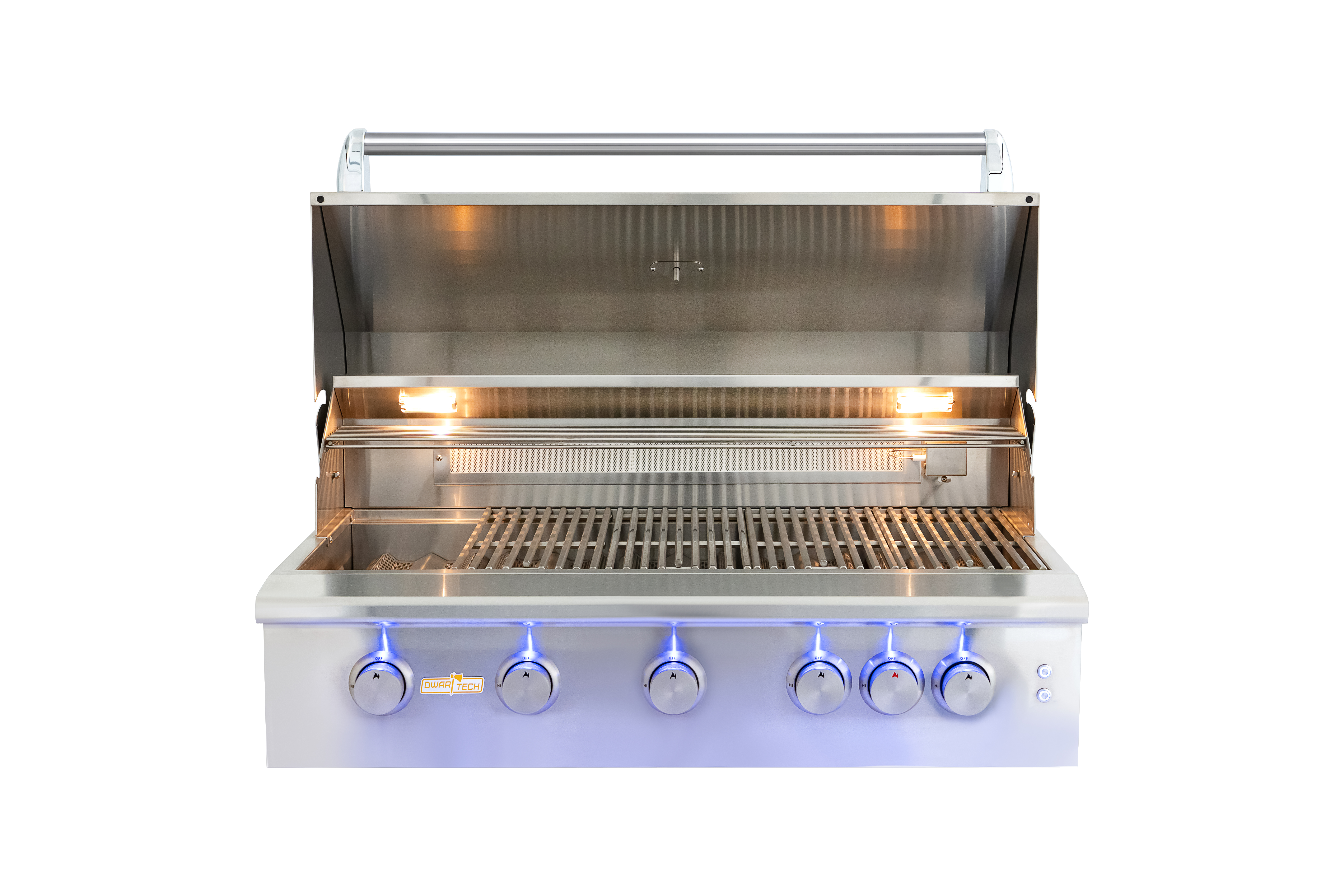
Selecting the right stainless steel outdoor grill can transform your backyard cooking experience from ordinary to extraordinary. With countless options flooding the market, discerning buyers must understand the critical factors that separate premium grilling equipment from mediocre alternatives. A quality stainless steel outdoor grill represents a significant investment that should deliver years of reliable performance, exceptional cooking results, and enduring value for outdoor enthusiasts.
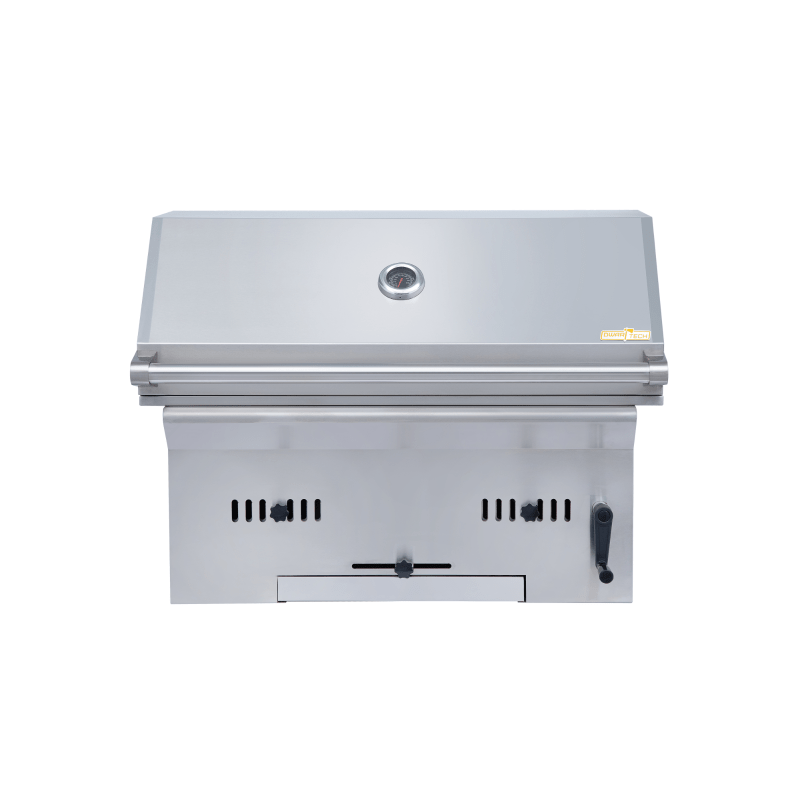
The outdoor grilling industry has evolved dramatically over the past decade, with manufacturers introducing innovative technologies and premium materials to meet growing consumer demands. Modern stainless steel outdoor grill designs incorporate advanced heat distribution systems, precision temperature controls, and durable construction methods that rival professional kitchen equipment. Understanding these technological advancements empowers consumers to make informed decisions when investing in their outdoor cooking infrastructure.
Material Quality and Construction Standards
Premium Grade Stainless Steel Specifications
The foundation of any exceptional stainless steel outdoor grill lies in its material composition and manufacturing quality. Grade 304 stainless steel represents the gold standard for outdoor cooking equipment, offering superior corrosion resistance, heat retention properties, and long-term durability compared to lower-grade alternatives. This premium alloy contains approximately 18% chromium and 8% nickel, creating a protective oxide layer that prevents rust formation and maintains structural integrity despite exposure to harsh weather conditions.
Professional-grade stainless steel outdoor grill construction typically employs heavier gauge materials ranging from 14 to 16 gauge thickness, ensuring robust performance under intensive cooking conditions. Thicker steel plates distribute heat more evenly, reduce hot spots, and maintain consistent temperatures throughout extended cooking sessions. Additionally, premium manufacturers often utilize double-wall construction techniques that enhance insulation properties while minimizing heat loss to the surrounding environment.
Welding Techniques and Joint Integrity
Examining weld quality reveals crucial insights into overall stainless steel outdoor grill craftsmanship and expected lifespan. Superior welding techniques create seamless joints that resist moisture penetration, prevent corrosion initiation points, and maintain structural stability under thermal expansion cycles. Professional manufacturers employ TIG welding processes that produce clean, precise joints without compromising the underlying steel's corrosion resistance properties.
Inferior welding practices often result in visible seam irregularities, rough finishes, and potential failure points that compromise long-term performance. Quality control standards should ensure consistent weld penetration, proper joint geometry, and thorough post-weld finishing processes. These manufacturing details directly impact the stainless steel outdoor grill's ability to withstand repeated heating cycles, weather exposure, and regular cleaning maintenance without developing structural weaknesses.
Heat Distribution and Cooking Performance
Burner Configuration and Heat Output
Effective heat distribution represents a fundamental requirement for achieving consistent cooking results across the entire grilling surface. Premium stainless steel outdoor grill designs incorporate multiple independent burner zones that allow precise temperature control for different cooking techniques simultaneously. Professional-grade units typically feature high-output burners producing between 12,000 to 15,000 BTUs per burner, providing adequate heat intensity for searing proteins while maintaining lower temperature zones for gentle cooking methods.
Advanced burner configurations often include specialized components such as infrared searing stations, rotisserie burners, and side burner accessories that expand cooking versatility. The spacing and arrangement of these heating elements directly influence heat uniformity and cooking efficiency. Well-designed stainless steel outdoor grill systems minimize temperature variations across the cooking surface, ensuring predictable results regardless of food placement on the grates.
Heat Retention and Insulation Properties
Superior insulation capabilities distinguish professional-quality equipment from basic consumer models, significantly impacting fuel efficiency and temperature stability. Double-wall construction with insulating materials between steel layers helps maintain consistent internal temperatures while reducing external heat loss. This enhanced heat retention allows the stainless steel outdoor grill to reach target temperatures faster and maintain them with less fuel consumption throughout extended cooking sessions.
Effective heat retention also contributes to more even cooking results by minimizing temperature fluctuations caused by wind, ambient temperature changes, or frequent lid opening. Premium insulation systems typically incorporate ceramic fiber or similar high-performance materials that withstand extreme temperatures without degrading over time. These design features become particularly valuable during cold weather operation or when preparing foods requiring precise temperature control.
Design Features and Functionality
Cooking Surface Area and Grate Configuration
Determining appropriate cooking surface dimensions requires careful consideration of typical entertaining needs and available outdoor space constraints. Standard stainless steel outdoor grill models offer primary cooking areas ranging from 400 to 800 square inches, with larger commercial-grade units providing even greater capacity for high-volume cooking applications. Additional warming rack space effectively doubles available food preparation area while maintaining optimal temperature conditions for cooked items.
Grate material selection significantly influences cooking performance and maintenance requirements over the equipment's operational lifespan. Cast iron grates excel at heat retention and creating distinctive sear marks but require regular seasoning and careful moisture management to prevent rust formation. Stainless steel grates offer easier cleaning and maintenance while providing adequate heat transfer for most cooking applications. Some premium stainless steel outdoor grill models feature porcelain-coated cast iron grates that combine superior heat retention with enhanced corrosion resistance.
Control Systems and Temperature Management
Sophisticated control systems enable precise temperature regulation across multiple cooking zones, facilitating complex meal preparation techniques. Digital temperature displays, integrated thermometers, and smartphone connectivity features provide real-time monitoring capabilities that enhance cooking consistency and user convenience. Advanced stainless steel outdoor grill models often include programmable temperature controllers that automatically adjust burner output to maintain desired cooking conditions.
Manual control systems should feature smooth-operating valves with clear temperature markings and intuitive adjustment mechanisms. Quality control components resist corrosion and maintain calibration accuracy despite repeated exposure to heat and weather conditions. Some manufacturers incorporate safety features such as automatic shut-off systems and flame failure protection devices that enhance operational safety during outdoor cooking activities.
Maintenance Requirements and Longevity
Cleaning Protocols and Surface Care
Implementing proper maintenance procedures ensures optimal stainless steel outdoor grill performance and extends operational lifespan significantly beyond manufacturer warranty periods. Regular cleaning schedules should include thorough interior cleaning, grease management, and exterior surface maintenance using appropriate cleaning products and techniques. Stainless steel surfaces require specific care methods to prevent scratching, maintain luster, and preserve corrosion resistance properties.
Effective cleaning protocols typically involve pre-heating the grill to burn off food residues, followed by thorough scrubbing with appropriate cleaning tools and solutions. Avoiding abrasive cleaners and steel wool prevents surface damage that could compromise the protective oxide layer. Professional-grade stainless steel outdoor grill maintenance includes periodic inspection of gas connections, burner components, and structural elements to identify potential issues before they impact performance or safety.
Component Replacement and Serviceability
Long-term value considerations should include component availability and replacement costs for wear items such as grates, burner tubes, and ignition systems. Reputable manufacturers provide comprehensive parts support with readily available replacement components through authorized dealers and service networks. This ongoing support infrastructure becomes particularly important for premium stainless steel outdoor grill investments that justify extended operational lifespans through proper maintenance and component replacement programs.
Modular design approaches facilitate easier component access and replacement procedures, reducing service costs and minimizing downtime during maintenance activities. Some manufacturers offer upgrade options that allow existing equipment enhancement with improved components or additional functionality as technology advances. These serviceability features contribute significantly to total cost of ownership calculations and long-term satisfaction with stainless steel outdoor grill investments.
Safety Features and Compliance Standards
Gas Safety Systems and Leak Prevention
Comprehensive safety systems represent non-negotiable requirements for any gas-powered stainless steel outdoor grill installation. Professional-grade equipment incorporates multiple safety mechanisms including pressure regulators, excess flow valves, and flame failure protection systems that automatically shut off gas supply when flame extinction occurs. These safety features provide essential protection against gas leaks, accidental ignition, and other potential hazards associated with outdoor gas appliance operation.
Regular safety inspections should verify proper gas line connections, regulator function, and overall system integrity using appropriate testing procedures and equipment. Many jurisdictions require professional installation and periodic inspection of outdoor gas appliances to ensure compliance with local safety codes and insurance requirements. Quality stainless steel outdoor grill manufacturers provide detailed safety documentation and installation guidelines that facilitate proper setup and ongoing maintenance procedures.
Certification Standards and Regulatory Compliance
Third-party safety certifications from recognized testing organizations provide independent verification of design safety and performance standards. Look for certifications from agencies such as CSA, UL, or similar recognized testing laboratories that evaluate stainless steel outdoor grill designs against established safety criteria. These certifications ensure compliance with applicable safety standards and may be required for insurance coverage or local permit approvals.
Environmental compliance considerations include emissions standards and fuel efficiency requirements that vary by geographic location and local regulations. Some municipalities restrict certain types of outdoor cooking equipment or require specific installation procedures to minimize environmental impact. Understanding applicable regulations before purchasing ensures the selected stainless steel outdoor grill meets all local requirements without requiring costly modifications or replacements.
FAQ
What grade of stainless steel provides the best durability for outdoor grills
Grade 304 stainless steel offers the optimal balance of corrosion resistance, durability, and cost-effectiveness for outdoor grill applications. This alloy contains 18% chromium and 8% nickel, providing excellent resistance to rust and corrosion while maintaining structural integrity under extreme temperature variations. Higher grades like 316 stainless steel offer enhanced corrosion resistance but typically cost significantly more without proportional benefits for most outdoor grilling applications.
How many BTUs do I need for effective outdoor grilling performance
Professional-quality stainless steel outdoor grill performance typically requires 80-100 BTUs per square inch of primary cooking surface for adequate heat output. A standard 500 square inch grill should provide approximately 40,000-50,000 total BTUs across multiple burners for optimal cooking performance. However, BTU ratings alone don't determine cooking effectiveness - heat distribution, retention, and control systems significantly impact overall cooking results and fuel efficiency.
What maintenance schedule ensures maximum lifespan for stainless steel outdoor grills
Regular maintenance schedules should include thorough cleaning after every 5-10 uses, depending on cooking frequency and food types prepared. Deep cleaning procedures involving complete disassembly and component inspection should occur seasonally or every 3-4 months for frequent users. Annual professional inspection and service ensures proper gas system function, identifies wear components requiring replacement, and maintains optimal safety and performance standards throughout the equipment's operational lifespan.
Are there specific installation requirements for professional-grade stainless steel outdoor grills
Professional installation requirements typically include proper clearance distances from combustible materials, adequate ventilation for gas-powered units, and compliance with local building codes and safety regulations. Most jurisdictions require licensed professionals for permanent gas line connections and may mandate inspection approvals before operation. Portable units offer more installation flexibility but still require proper setup procedures and safety precautions to ensure safe operation in outdoor environments.
Table of Contents
- Material Quality and Construction Standards
- Heat Distribution and Cooking Performance
- Design Features and Functionality
- Maintenance Requirements and Longevity
- Safety Features and Compliance Standards
-
FAQ
- What grade of stainless steel provides the best durability for outdoor grills
- How many BTUs do I need for effective outdoor grilling performance
- What maintenance schedule ensures maximum lifespan for stainless steel outdoor grills
- Are there specific installation requirements for professional-grade stainless steel outdoor grills