
 EN
EN



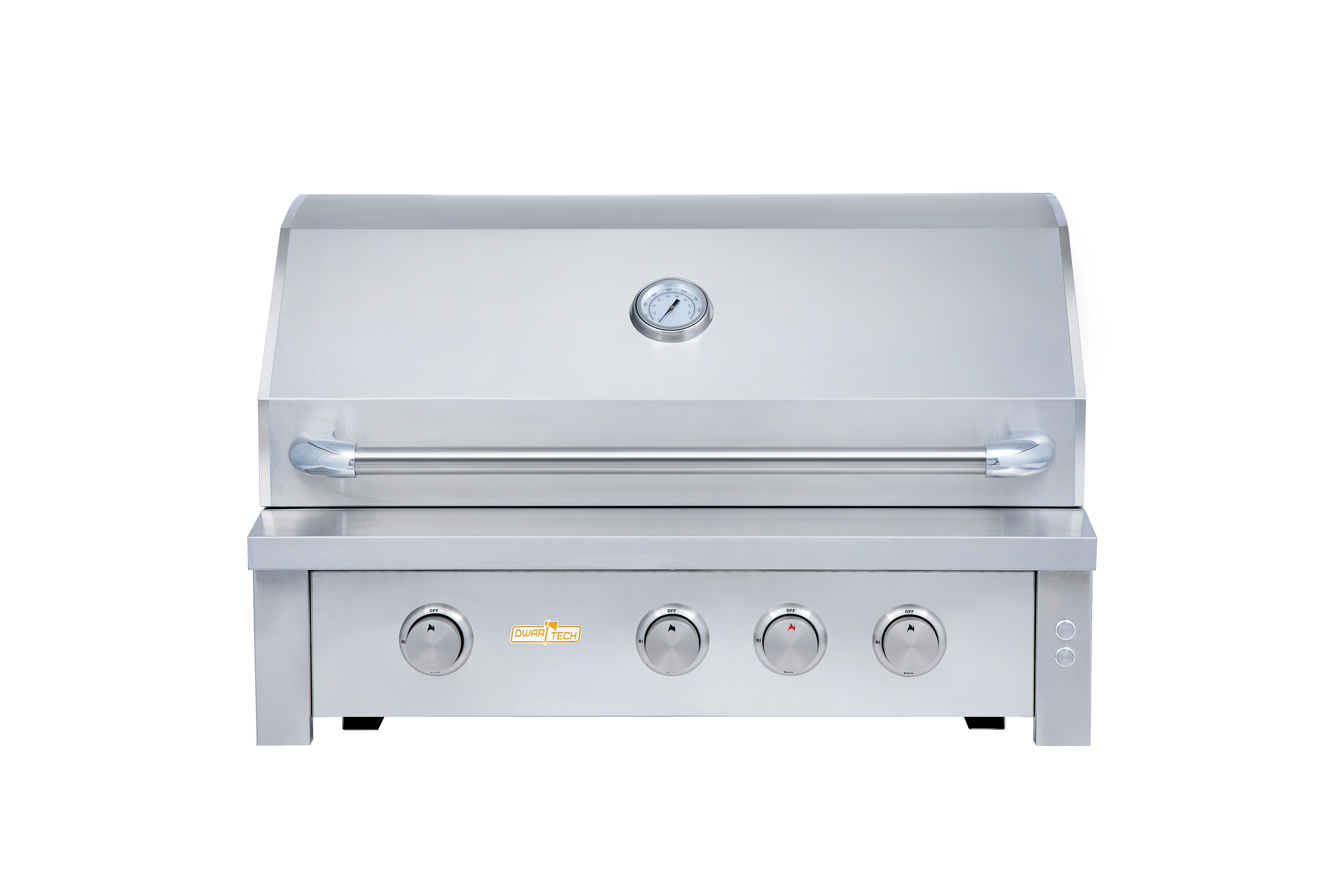
Outdoor cooking enthusiasts face a constant challenge when selecting equipment that can endure the relentless forces of nature. A stainless steel grill represents the pinnacle of durability and weather resistance in outdoor cooking equipment. This remarkable material combines exceptional corrosion resistance with structural integrity that maintains performance standards even when exposed to extreme weather conditions year after year. Understanding the science behind stainless steel construction and its weather-resistant properties helps consumers make informed decisions about their outdoor cooking investments.
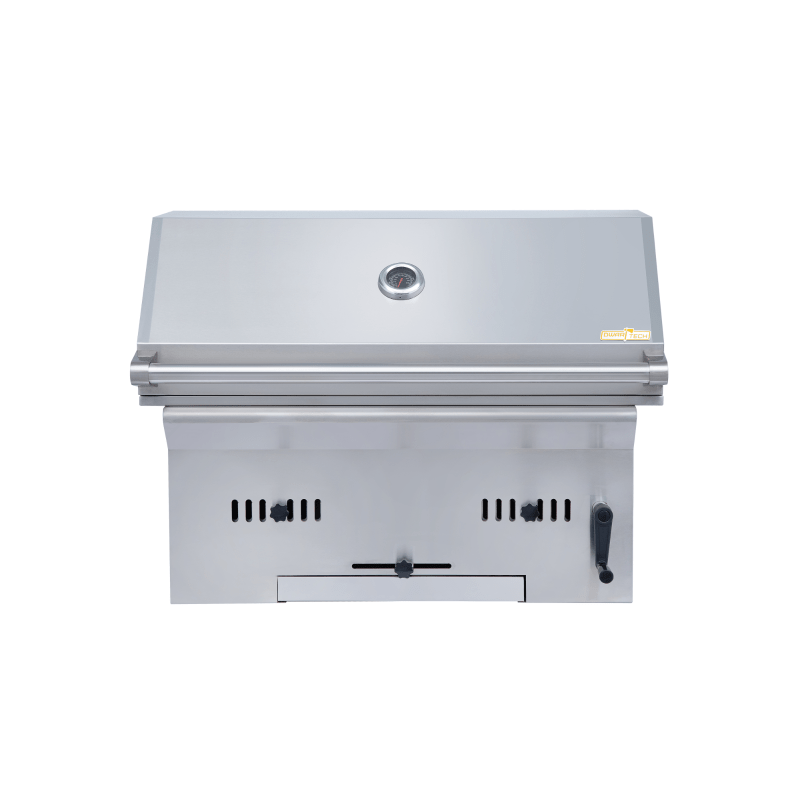
Material Science Behind Weather-Resistant Stainless Steel
Chromium Content and Corrosion Protection
The foundation of every high-quality stainless steel grill lies in its chromium content, which forms an invisible protective layer on the metal surface. When chromium interacts with oxygen in the atmosphere, it creates a thin oxide film that acts as a barrier against moisture penetration. This passive layer continuously regenerates itself when damaged, providing self-healing properties that traditional materials cannot match. Professional-grade stainless steel grills typically contain between 18-20% chromium content, ensuring maximum protection against rust formation and surface degradation.
The molecular structure of stainless steel creates a crystalline lattice that resists chemical attacks from acidic rain, salt spray, and other environmental contaminants. This resistance becomes particularly important in coastal regions where salt air can rapidly deteriorate inferior materials. Quality manufacturers utilize 304-grade stainless steel, which contains additional nickel content that enhances corrosion resistance and maintains structural stability under temperature fluctuations.
Nickel Enhancement for Structural Integrity
Nickel additions in premium stainless steel compositions provide exceptional resistance to thermal expansion and contraction cycles. When a stainless steel grill experiences repeated heating and cooling processes, the nickel content helps maintain dimensional stability and prevents warping or cracking. This characteristic proves essential for maintaining proper heat distribution and preventing gas leaks that could compromise safety and performance.
The austenitic structure created by nickel inclusion also enhances the material's ability to withstand mechanical stress from wind loading and thermal shock. Professional outdoor cooking equipment must endure not only direct flame exposure but also rapid temperature changes when cold rain contacts hot surfaces. A well-engineered stainless steel grill incorporates these metallurgical principles to deliver consistent performance regardless of weather conditions.
Environmental Resistance Characteristics
Moisture and Humidity Defense
Effective moisture resistance represents a critical performance factor for any outdoor cooking appliance exposed to varying humidity levels throughout different seasons. A properly constructed stainless steel grill utilizes advanced welding techniques and precision manufacturing to eliminate potential water entry points. Seamless construction methods prevent moisture accumulation in joint areas where corrosion typically initiates in inferior products.
The surface finish quality significantly impacts long-term weather resistance performance. Manufacturers employ specialized polishing and passivation treatments that enhance the natural protective oxide layer while creating surfaces that shed water efficiently. These treatments also reduce surface porosity, preventing contaminant adhesion that could compromise the protective chromium oxide barrier over extended exposure periods.
Temperature Extremes Management
Extreme temperature fluctuations challenge outdoor equipment through thermal stress cycles that can cause material fatigue in conventional metals. A professional-grade stainless steel grill demonstrates remarkable stability across temperature ranges from sub-zero winter conditions to scorching summer heat exceeding 120°F. The material's low thermal expansion coefficient minimizes dimensional changes that could affect component alignment and sealing integrity.
Thermal conductivity properties of stainless steel provide balanced heat management that prevents localized stress concentrations during rapid temperature transitions. This characteristic becomes particularly valuable when unexpected weather changes occur during cooking sessions, such as sudden thunderstorms that introduce rapid cooling effects on heated surfaces.
Design Features for Weather Protection
Drainage and Ventilation Systems
Intelligent drainage design prevents water accumulation that could lead to stagnant moisture problems even in weather-resistant materials. A well-engineered stainless steel grill incorporates strategically positioned drainage ports that allow rapid water evacuation while maintaining structural integrity. These systems work in conjunction with ventilation pathways that promote air circulation and accelerate drying processes after exposure to precipitation.
Advanced ventilation designs also prevent condensation formation within enclosed compartments by maintaining appropriate air flow patterns. Proper ventilation reduces the risk of moisture-related issues that could affect internal components such as electronic ignition systems or gas control valves. These engineering considerations extend equipment lifespan significantly compared to designs that neglect moisture management principles.
Protective Coating Technologies
Modern stainless steel grill manufacturing incorporates advanced coating technologies that enhance already superior weather resistance characteristics. Ceramic-based coatings provide additional protection against chemical attack from acidic rain or airborne pollutants while maintaining the aesthetic appeal of polished stainless steel surfaces. These coatings also offer enhanced scratch resistance that preserves the integrity of the underlying protective oxide layer.
Electrochemical treatments create microscopic surface modifications that improve corrosion resistance beyond standard passivation processes. These specialized treatments prove particularly valuable in challenging environments such as industrial areas with elevated pollution levels or regions with frequent exposure to road salt during winter months.
Maintenance Strategies for Optimal Weather Resistance
Regular Cleaning Protocols
Proper maintenance significantly extends the weather resistance capabilities of any stainless steel grill through systematic removal of contaminants that could compromise protective surface layers. Regular cleaning with appropriate stainless steel cleaners removes accumulated deposits while preserving the chromium oxide barrier essential for corrosion protection. Professional maintenance protocols recommend weekly cleaning during active use periods and thorough seasonal maintenance before extended storage periods.
Cleaning techniques must balance effectiveness with surface preservation to maintain optimal weather resistance over extended service life. Abrasive cleaning methods can damage the protective oxide layer, potentially creating corrosion initiation sites that compromise long-term durability. Proper cleaning involves gentle techniques using microfiber cloths and specialized stainless steel cleaning solutions that enhance rather than degrade surface protection.
Protective Storage Solutions
Strategic storage approaches maximize the inherent weather resistance of stainless steel construction while providing additional protection during extreme weather events. High-quality covers designed specifically for stainless steel grills offer supplementary protection against debris accumulation and reduce cleaning requirements. These covers should incorporate breathable materials that prevent condensation formation while blocking direct exposure to precipitation and UV radiation.
Seasonal storage considerations become particularly important in regions experiencing harsh winter conditions or extended periods of severe weather. Proper preparation includes thorough cleaning, complete moisture removal, and strategic positioning to minimize exposure to prevailing wind patterns that could introduce debris or contaminants during storage periods.
Performance Benefits in Challenging Environments
Coastal Environment Durability
Coastal environments present unique challenges for outdoor cooking equipment through constant exposure to salt-laden air that accelerates corrosion in susceptible materials. A premium stainless steel grill demonstrates exceptional performance in these demanding conditions through its inherent chloride resistance properties. The passive oxide layer effectively resists salt penetration while maintaining structural integrity despite continuous exposure to marine environments.
Long-term performance data from coastal installations demonstrates that properly maintained stainless steel grills retain functionality and appearance standards significantly longer than alternative materials. This durability translates into superior value propositions for consumers investing in permanent outdoor cooking installations near ocean or large lake environments where salt exposure represents a constant challenge.
Industrial and Urban Applications
Urban and industrial environments expose outdoor equipment to complex chemical challenges including acid rain, particulate pollution, and various airborne contaminants. Stainless steel construction provides reliable resistance to these diverse attack mechanisms while maintaining consistent performance standards. The material's ability to resist chemical degradation ensures that a stainless steel grill continues delivering optimal cooking results regardless of local environmental challenges.
Industrial-grade stainless steel formulations offer enhanced resistance to specific contaminants commonly encountered in manufacturing regions or areas with elevated pollution levels. These specialized alloys maintain the aesthetic appeal and functional performance that consumers expect while providing additional protection against unusual environmental stressors that could affect standard outdoor cooking equipment.
FAQ
How long can a stainless steel grill withstand outdoor weather exposure without maintenance?
A high-quality stainless steel grill can withstand outdoor weather exposure for several months without maintenance, though regular care significantly extends its lifespan. The chromium oxide protective layer provides continuous corrosion protection, but periodic cleaning removes contaminants that could compromise long-term performance. Professional maintenance every 3-4 months ensures optimal weather resistance and preserves the grill's appearance and functionality over decades of outdoor use.
What grade of stainless steel provides the best weather resistance for outdoor grills?
Grade 304 stainless steel offers the optimal balance of weather resistance, durability, and cost-effectiveness for outdoor grill construction. This grade contains 18-20% chromium and 8-10% nickel, providing excellent corrosion resistance while maintaining structural integrity under thermal cycling. Some premium manufacturers utilize 316-grade stainless steel in coastal applications, which offers enhanced chloride resistance through molybdenum additions, though 304-grade performs exceptionally well in most environmental conditions.
Can extreme temperature changes damage a stainless steel grill's weather resistance?
Extreme temperature changes do not damage the inherent weather resistance properties of properly constructed stainless steel grills. The material's low thermal expansion coefficient and austenitic crystal structure accommodate thermal cycling without compromising the protective chromium oxide layer. However, rapid temperature changes can affect component alignment and sealing systems, so gradual heating and cooling practices help maintain optimal performance and extend equipment lifespan.
Do stainless steel grills require special protection during winter storage?
While stainless steel grills do not require special protection due to their inherent weather resistance, proper winter storage practices enhance longevity and reduce maintenance requirements. Thorough cleaning removes accumulated contaminants, complete moisture removal prevents ice formation that could affect seals and components, and breathable covers provide additional protection against debris accumulation while allowing air circulation to prevent condensation formation during storage periods.
Table of Contents
- Material Science Behind Weather-Resistant Stainless Steel
- Environmental Resistance Characteristics
- Design Features for Weather Protection
- Maintenance Strategies for Optimal Weather Resistance
- Performance Benefits in Challenging Environments
-
FAQ
- How long can a stainless steel grill withstand outdoor weather exposure without maintenance?
- What grade of stainless steel provides the best weather resistance for outdoor grills?
- Can extreme temperature changes damage a stainless steel grill's weather resistance?
- Do stainless steel grills require special protection during winter storage?