
 EN
EN



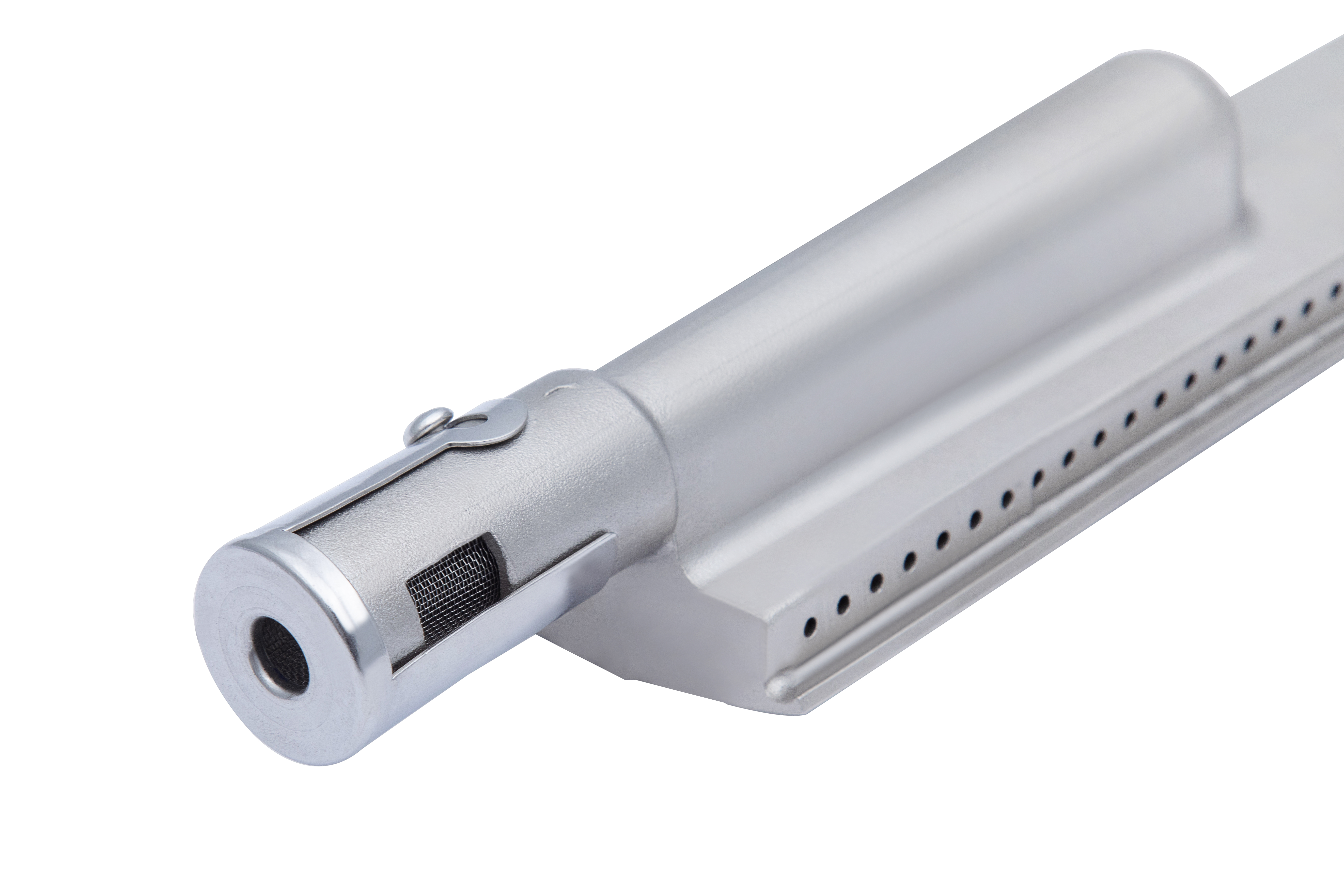
Selecting the right outdoor grilling solution requires careful consideration of application context, usage patterns, and installation environments. A built-in stainless steel outdoor grill represents a significant investment in both equipment and installation infrastructure, making it essential to understand which applications truly maximize its value proposition. Unlike portable or freestanding units, built-in configurations demand permanent placement decisions that align with specific cooking needs, spatial requirements, and operational workflows. The question of which application benefits most from this grilling solution extends beyond simple preference, encompassing factors like cooking frequency, menu complexity, outdoor space design, weather exposure, and long-term durability expectations.
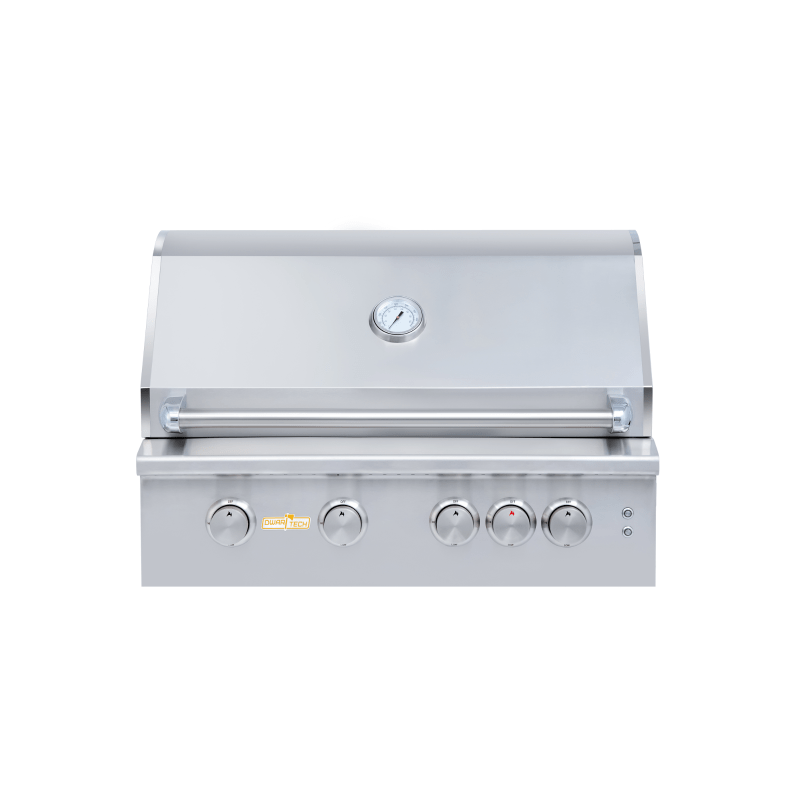
The applications that derive maximum benefit from a built-in stainless steel outdoor grill share common characteristics: high utilization frequency, permanent outdoor entertainment infrastructure, exposure to challenging environmental conditions, and requirements for professional-grade cooking performance. Residential outdoor kitchens designed for year-round entertaining stand as the primary beneficiary, followed closely by hospitality venues with dedicated patio dining programs, upscale residential developments with communal outdoor spaces, and specialty commercial applications requiring durable exterior cooking equipment. Understanding the specific advantages a built-in stainless steel outdoor grill delivers within each application context enables informed decision-making that aligns equipment capabilities with operational requirements and environmental demands.
Residential Outdoor Kitchen Applications
Permanent Entertainment Infrastructure Requirements
Homeowners investing in comprehensive outdoor kitchen installations represent the application segment that benefits most substantially from a built-in stainless steel outdoor grill. These installations typically feature integrated countertops, cabinetry, and utility connections that create cohesive cooking environments mirroring indoor kitchen functionality. The permanence of this infrastructure makes the durability and weather resistance of stainless steel construction particularly valuable, as the equipment faces continuous exposure without the protection afforded to portable units stored between uses. A built-in stainless steel outdoor grill becomes the centerpiece of these installations, providing reliable cooking performance that justifies the surrounding infrastructure investment.
The integration advantages extend beyond aesthetics to functional workflow optimization. Built-in configurations allow precise spacing between cooking surfaces, preparation areas, and serving zones, creating ergonomic layouts that enhance cooking efficiency during complex meal preparation. Stainless steel's resistance to corrosion ensures that the grill maintains both structural integrity and visual consistency with surrounding stainless steel components like refrigerators, storage drawers, and sink fixtures. This material continuity creates professional-grade outdoor cooking environments that support sophisticated entertaining patterns while withstanding the environmental stresses that would rapidly degrade lesser materials.
Year-Round Usage Patterns and Weather Exposure
Applications involving year-round outdoor cooking place exceptional demands on equipment durability that a built-in stainless steel outdoor grill specifically addresses. Homeowners in temperate climates who maintain active outdoor cooking schedules throughout all seasons subject their equipment to dramatic temperature fluctuations, precipitation cycles, and humidity variations that test material resilience. Stainless steel's inherent corrosion resistance and thermal stability make it ideally suited for these demanding exposure conditions, maintaining performance characteristics and structural integrity that cast iron or painted steel alternatives cannot match over extended operational lifespans.
The built-in configuration further enhances weather resistance by eliminating many of the vulnerable joints and connection points present in freestanding units. Integration with surrounding cabinetry and countertops creates protective enclosures around control panels, gas connections, and electronic ignition systems, reducing direct exposure to driving rain and wind-blown debris. For applications in coastal environments where salt-laden air accelerates corrosion, the marine-grade stainless steel options available in quality built-in units provide additional protection that extends equipment lifespan significantly beyond standard outdoor cooking equipment. This weather resilience translates directly to reduced maintenance requirements and lower total cost of ownership for high-frequency users.
Property Value Enhancement Considerations
Residential applications seeking to enhance property value through outdoor living space improvements find particular advantage in built-in stainless steel outdoor grill installations. Real estate market data consistently demonstrates that professionally designed outdoor kitchens featuring quality built-in equipment command premium valuations and accelerate property sales in competitive markets. The permanence and professional appearance of a built-in stainless steel outdoor grill signals quality construction and thoughtful property development that appeals to discerning buyers prioritizing outdoor entertainment capabilities.
The investment calculus for these installations differs fundamentally from portable equipment purchases. While initial costs exceed freestanding alternatives, the value contribution to overall property appraisal typically recovers substantial portions of installation expenses, particularly in markets where outdoor living spaces represent expected rather than exceptional amenities. Stainless steel construction ensures that the equipment maintains visual appeal and functional reliability throughout ownership tenure, avoiding the deteriorated appearance that diminishes perceived value in outdoor spaces featuring weathered or corroded cooking equipment. For homeowners viewing outdoor kitchen development as property improvement rather than simple equipment acquisition, the built-in stainless steel outdoor grill configuration delivers optimal return on investment.
Hospitality and Commercial Patio Applications
Restaurant Outdoor Dining Program Requirements
Hospitality venues operating dedicated outdoor dining programs with on-site grilling capabilities represent commercial applications where built-in stainless steel outdoor grill installations deliver exceptional operational value. These establishments require cooking equipment that withstands intensive daily use while maintaining consistent performance standards that meet customer expectations and health code requirements. The durability characteristics of commercial-grade stainless steel construction specifically address the accelerated wear patterns generated by high-volume cooking operations, where equipment operates multiple hours daily throughout service periods.
The built-in configuration offers significant advantages for commercial patio applications beyond simple equipment durability. Integration with outdoor bar and service stations creates efficient workflow patterns that minimize staff movement between cooking and plating areas, improving service speed during peak demand periods. Stainless steel's cleanability becomes particularly important in commercial contexts where health inspections evaluate outdoor cooking areas with standards equivalent to interior kitchen spaces. The non-porous surfaces resist bacterial growth and facilitate rapid sanitation between service periods, maintaining compliance with food safety regulations while reducing labor requirements for equipment maintenance.
Brand Image and Customer Experience Enhancement
Commercial applications where visible cooking operations contribute to brand positioning and customer experience benefit substantially from the professional appearance of a built-in stainless steel outdoor grill. Restaurants featuring open grilling concepts where customers observe food preparation derive marketing value from equipment that projects quality and cleanliness. The gleaming surfaces of well-maintained stainless steel equipment communicate culinary professionalism and operational excellence that influences customer perception of food quality even before dishes reach the table.
This visual impact extends to social media marketing and promotional photography, where outdoor cooking installations frequently feature in venue marketing materials. The photogenic qualities of stainless steel equipment under outdoor lighting conditions create compelling visual content that resonates with target audiences seeking upscale casual dining experiences. For hospitality operators competing in markets where outdoor dining capabilities differentiate venue offerings, investment in built-in stainless steel outdoor grill installations generates returns through enhanced brand positioning and improved customer attraction beyond the direct operational benefits of durable cooking equipment.
Regulatory Compliance and Safety Standards
Commercial applications face regulatory requirements governing outdoor cooking equipment that built-in stainless steel outdoor grill configurations specifically address. Many jurisdictions mandate permanent installation of commercial cooking equipment with fixed gas connections inspected and certified by licensed professionals, effectively requiring built-in configurations for legal operation. The stainless steel construction meets fire safety codes requiring non-combustible materials in proximity to open flames, while facilitating the ventilation and clearance requirements specified in commercial kitchen regulations adapted to outdoor cooking contexts.
Insurance considerations further favor built-in stainless steel outdoor grill installations in commercial applications. Underwriters evaluating liability exposure for hospitality venues with outdoor cooking operations assess equipment quality and installation standards as risk factors affecting premium calculations and coverage terms. Professionally installed built-in units with documented compliance to manufacturer specifications and local codes demonstrate risk management practices that support favorable insurance terms, while the fire-resistant properties of stainless steel construction reduce potential loss severity in equipment malfunction scenarios. These regulatory and insurance factors create strong business cases for commercial operators considering outdoor cooking equipment investments.
Multi-Family and Community Development Applications
Shared Amenity Space Design Requirements
Multi-family residential developments and planned communities incorporating shared outdoor amenity spaces represent an expanding application where built-in stainless steel outdoor grill installations deliver substantial value to property developers and residents alike. These communal cooking areas serve diverse user populations with varying skill levels and usage patterns, creating durability demands that exceed typical single-family residential applications. The vandal-resistant properties of quality stainless steel construction withstand the occasional misuse and neglect inevitable in shared facilities, maintaining functional reliability despite inconsistent user care practices.
The built-in configuration provides security advantages in semi-public community spaces where portable equipment faces theft risks. Permanent installation eliminates removal concerns while enabling property managers to implement usage policies and maintenance schedules that preserve equipment condition. For community associations managing multiple outdoor cooking stations across development properties, standardizing on built-in stainless steel outdoor grill installations simplifies maintenance logistics through parts commonality and established service relationships with equipment suppliers. The resulting operational efficiencies reduce long-term ownership costs while ensuring consistent amenity availability that supports resident satisfaction and property marketing objectives.
Liability Management and Maintenance Considerations
Community development applications face unique liability exposures related to outdoor cooking amenities that influence equipment selection decisions. Built-in stainless steel outdoor grill installations with professional gas connections and certified installations demonstrate due diligence in safety practices that support legal defensibility should accidents occur. The stability of built-in units eliminates tipping hazards associated with freestanding equipment, while stainless steel's fire-resistant properties reduce ignition risks from grease accumulation or nearby combustible materials.
Maintenance considerations become particularly important in multi-family applications where equipment condition directly impacts resident perception of community management quality. Stainless steel's resistance to corrosion and staining maintains visual appeal despite inconsistent cleaning practices by various users, preserving the professional appearance of amenity spaces between scheduled maintenance visits. The durability of quality built-in stainless steel outdoor grill components reduces replacement frequency for high-wear items like grates, burners, and ignition systems, controlling long-term maintenance budgets while ensuring reliable amenity availability. These operational advantages make built-in stainless steel configurations the preferred solution for community developers prioritizing amenity quality and cost-effective facility management.
Resident Attraction and Retention Benefits
In competitive multi-family housing markets, outdoor amenity quality significantly influences prospective resident decision-making and existing resident satisfaction. Developments featuring well-designed outdoor cooking areas with built-in stainless steel outdoor grill installations differentiate properties from competitors offering basic portable equipment or neglected amenity spaces. The professional appearance and reliable functionality of quality built-in units signal property management commitment to resident experience that influences both initial leasing decisions and renewal rates.
The social dynamics of community outdoor cooking spaces further enhance their value as resident retention tools. Shared grilling areas function as informal gathering points that foster neighborhood connections and community identity, contributing to the social cohesion that research consistently links to residential stability and satisfaction. Built-in stainless steel outdoor grill installations designed to accommodate multiple simultaneous users with adequate surrounding space for social interaction maximize these community-building benefits, creating amenity value that extends beyond simple cooking functionality to support broader property management objectives around resident engagement and community development.
Specialty Commercial and Institutional Applications
Corporate Campus and Employee Recreation Facilities
Corporate campuses incorporating outdoor employee recreation areas represent specialty commercial applications where built-in stainless steel outdoor grill installations support workforce engagement and corporate culture objectives. Companies investing in comprehensive campus amenities recognize outdoor cooking facilities as valuable components of employee retention programs, particularly in competitive talent markets where workplace quality influences recruitment and retention outcomes. The professional appearance of built-in stainless steel outdoor grill installations aligns with corporate brand standards while providing functional cooking capabilities that support employee social events and informal team gatherings.
These installations typically receive intensive seasonal use during favorable weather periods, with corporate events concentrating cooking demand into relatively brief timeframes. The durability of stainless steel construction ensures reliable performance during high-stakes company events where equipment failures would create negative employee experiences. Built-in configurations integrated with surrounding patio infrastructure create polished entertaining environments that reflect positively on corporate investment in employee experience, supporting broader workplace satisfaction initiatives. For facilities managers responsible for corporate campus operations, built-in stainless steel outdoor grill installations deliver predictable performance with minimal maintenance intervention, aligning with operational efficiency objectives.
Educational Institution Outdoor Programming Spaces
Educational institutions developing outdoor programming spaces for student life activities and campus events find significant value in built-in stainless steel outdoor grill installations. University student unions, residence hall courtyards, and recreational facility patios frequently host cooking-centered social events that require reliable equipment capable of serving large groups. The durability demands of institutional applications mirror commercial hospitality requirements, with equipment subjected to frequent use by operators with varying skill levels and occasional neglect during peak academic periods.
The security and vandalism resistance of built-in stainless steel outdoor grill configurations prove particularly valuable in campus environments where equipment faces exposure to large transient populations. Permanent installation deters theft while stainless steel construction withstands the occasional abuse inevitable in facilities serving thousands of students. For campus facility departments managing extensive outdoor amenity inventories across multiple locations, standardizing on durable built-in units reduces long-term replacement costs while simplifying maintenance logistics. The resulting operational efficiencies free facility resources for other campus priorities while ensuring consistent amenity availability that supports student life programming objectives.
Parks and Public Recreation Applications
Municipal parks and public recreation facilities incorporating cooking amenities into facility designs represent public sector applications where built-in stainless steel outdoor grill durability proves essential. These installations face extreme usage conditions with continuous public access, minimal supervision, and exposure to intentional damage that would quickly destroy residential-grade equipment. The vandal-resistant properties of heavy-gauge stainless steel construction withstand abuse while maintaining functional reliability, providing public amenity value despite challenging operational conditions.
Public facility applications also benefit from the low maintenance requirements of quality stainless steel construction. Recreation departments managing dozens or hundreds of outdoor cooking facilities across jurisdictional park systems require equipment that performs reliably with minimal intervention, as maintenance resources rarely keep pace with facility inventory growth. Built-in stainless steel outdoor grill installations designed for institutional applications deliver the durability characteristics essential for sustainable public amenity programs, maintaining functionality across multi-year service cycles despite intensive use and variable weather exposure. For public sector facility managers balancing service provision with constrained maintenance budgets, these installations represent cost-effective solutions that preserve public amenity value while controlling long-term operational expenses.
FAQ
What makes residential outdoor kitchens the primary application benefiting from built-in stainless steel outdoor grills?
Residential outdoor kitchens benefit most because they combine permanent infrastructure investment with frequent year-round usage patterns that maximize the durability and integration advantages of built-in stainless steel outdoor grill installations. The corrosion resistance of stainless steel preserves both functionality and appearance despite continuous weather exposure, while built-in configurations create cohesive cooking environments that enhance property value and outdoor entertainment capabilities. Homeowners investing in comprehensive outdoor cooking spaces achieve optimal return on investment when equipment durability matches the permanence of surrounding cabinetry and countertop installations, making stainless steel construction the logical material choice for quality-focused outdoor kitchen projects.
How do commercial hospitality applications differ from residential uses in their requirements for built-in stainless steel outdoor grills?
Commercial hospitality applications require equipment meeting more stringent performance standards including intensive daily use capabilities, health code compliance, and brand image considerations that influence customer perception. Built-in stainless steel outdoor grill installations in restaurants must withstand accelerated wear from high-volume cooking while maintaining sanitation standards equivalent to interior commercial kitchens. The cleanability and non-porous surfaces of stainless steel facilitate rapid sanitation between services, while the professional appearance supports brand positioning in competitive dining markets. Additionally, commercial applications face regulatory requirements for permanent installation and certified gas connections that residential users may not encounter, making built-in configurations operationally necessary rather than simply preferred.
Why do multi-family developments choose built-in stainless steel outdoor grills for community amenity spaces?
Multi-family developers select built-in stainless steel outdoor grill installations for shared amenity spaces because they provide vandal-resistant durability, security against theft, and low-maintenance reliability essential for semi-public facilities serving diverse resident populations. The permanent installation eliminates equipment removal concerns while stainless steel construction withstands occasional misuse and inconsistent cleaning practices inevitable in communal cooking areas. Property managers benefit from simplified maintenance logistics and predictable long-term costs, while residents gain access to professional-grade cooking equipment that enhances community social spaces. The visual impact of quality built-in installations also supports property marketing and resident satisfaction objectives, differentiating developments in competitive rental markets.
What environmental conditions make stainless steel construction particularly important for built-in outdoor grills?
Coastal environments with salt-laden air, regions experiencing dramatic temperature fluctuations, and locations with high precipitation or humidity levels create corrosive conditions where stainless steel construction proves essential for equipment longevity. Built-in stainless steel outdoor grill installations in these challenging environments maintain structural integrity and performance characteristics that cast iron, painted steel, or powder-coated alternatives cannot sustain over equivalent service lifespans. Marine-grade stainless steel options provide additional corrosion resistance for extreme coastal applications, while the material's thermal stability prevents warping and structural degradation from repeated heating and cooling cycles. Applications involving year-round outdoor cooking particularly benefit from stainless steel's weather resistance, as continuous exposure without storage protection demands material properties that preserve functionality despite environmental stresses.
Table of Contents
- Residential Outdoor Kitchen Applications
- Hospitality and Commercial Patio Applications
- Multi-Family and Community Development Applications
- Specialty Commercial and Institutional Applications
-
FAQ
- What makes residential outdoor kitchens the primary application benefiting from built-in stainless steel outdoor grills?
- How do commercial hospitality applications differ from residential uses in their requirements for built-in stainless steel outdoor grills?
- Why do multi-family developments choose built-in stainless steel outdoor grills for community amenity spaces?
- What environmental conditions make stainless steel construction particularly important for built-in outdoor grills?