
 EN
EN



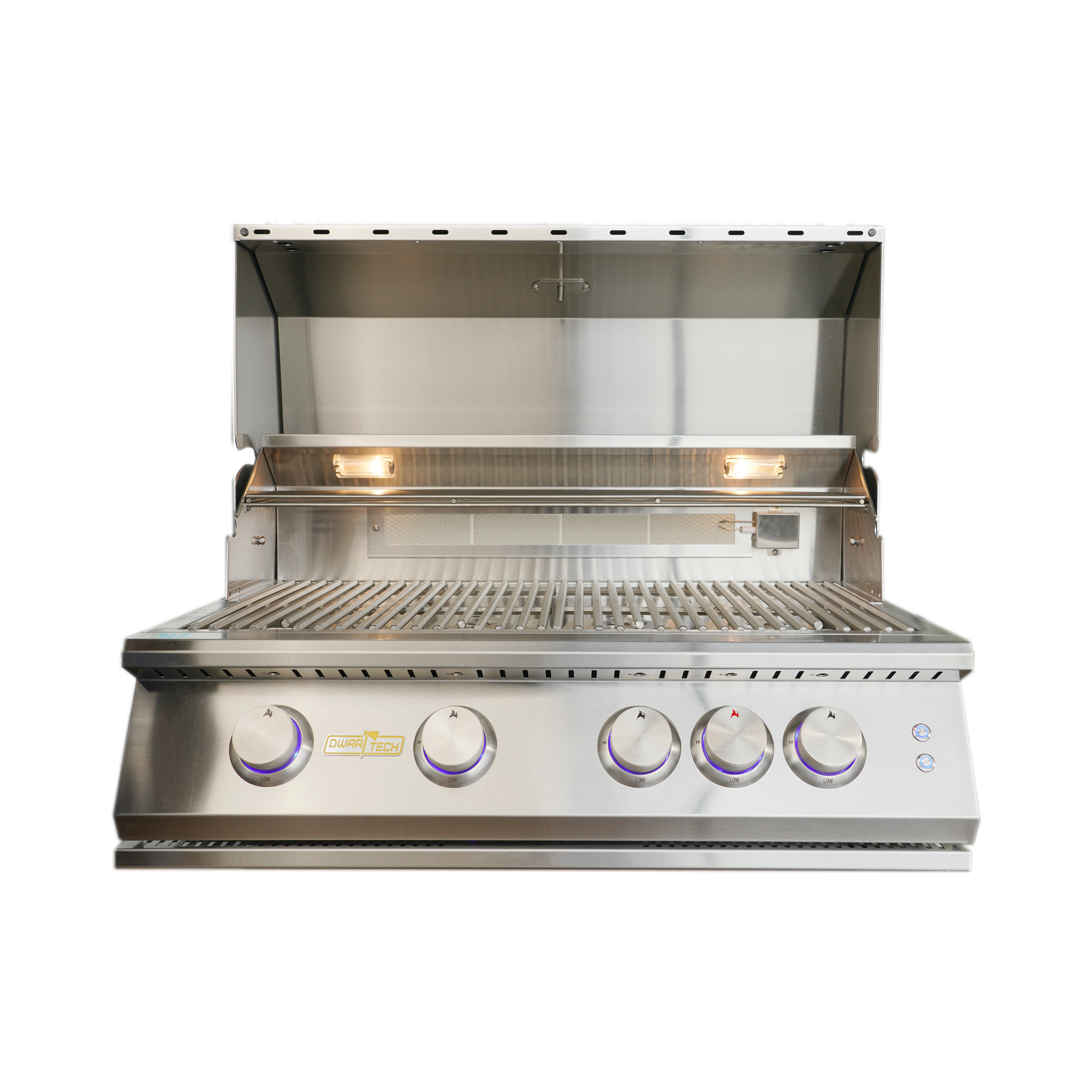
The choice between a stainless steel outdoor grill and a porcelain-coated model often hinges on one critical performance factor: heat retention. For backyard enthusiasts and professional outdoor chefs alike, understanding how different materials manage thermal energy directly impacts cooking consistency, fuel efficiency, and the quality of grilled foods. While both material types offer distinct advantages, the answer to whether a stainless steel outdoor grill retains heat better than porcelain-coated alternatives requires examining the thermal properties, construction characteristics, and real-world cooking performance of each material system.

Heat retention in outdoor grilling equipment depends on multiple interacting factors including material thermal conductivity, mass distribution, surface emissivity, and construction design. The comparison between stainless steel and porcelain coatings represents not simply a material contest but rather a complex interplay of thermal physics, manufacturing techniques, and practical cooking applications. To determine which material system genuinely delivers superior heat retention, we must move beyond surface-level assumptions and examine the underlying thermal behavior that governs cooking chamber performance during extended grilling sessions.
Understanding Thermal Properties of Grill Materials
Thermal Conductivity and Heat Distribution Patterns
Stainless steel exhibits a thermal conductivity ranging from 15 to 25 W/mK depending on the specific alloy composition, with 304-grade stainless steel commonly used in outdoor grilling applications. This moderate conductivity allows a stainless steel outdoor grill to distribute heat relatively evenly across cooking surfaces while maintaining structural integrity under thermal cycling. The material's ability to conduct heat throughout the grill body creates fewer hot spots and enables more predictable temperature zones, which proves essential for managing different food items simultaneously during complex cooking sessions.
Porcelain-coated steel combines a steel substrate with a glass-ceramic surface layer, creating a composite material system with distinct thermal characteristics. The underlying steel typically demonstrates higher thermal conductivity than stainless steel, ranging from 40 to 50 W/mK, while the porcelain coating itself exhibits much lower conductivity around 1.5 to 3 W/mK. This thermal mismatch creates an insulating barrier that reduces heat transfer through the material, potentially limiting conductive heat distribution across the grill structure. The porcelain layer acts as a thermal resistor that can actually impede efficient heat movement through the grill walls.
Material Mass and Thermal Capacity Considerations
The specific heat capacity of stainless steel approximates 500 J/kg·K, meaning it requires moderate energy input to raise its temperature and correspondingly releases stored thermal energy gradually during cooling phases. When a stainless steel outdoor grill is constructed with sufficient material thickness, typically 1.5 to 3 millimeters in quality models, the total thermal mass becomes substantial enough to buffer temperature fluctuations when grill lids open or ambient conditions change. This thermal ballast effect stabilizes cooking chamber temperatures and extends heat retention after fuel sources diminish.
Porcelain-coated grills often utilize thinner steel substrates, frequently in the 0.8 to 1.5 millimeter range, to facilitate the coating process and manage manufacturing costs. While the coating itself adds minimal mass, the reduced substrate thickness directly limits the total thermal mass available for heat storage. The lower overall material weight means porcelain-coated models heat up more rapidly initially but possess less thermal inertia to maintain stable temperatures during cooking interruptions or when external conditions draw heat away from the cooking chamber.
Surface Emissivity and Radiative Heat Transfer
Radiative heat transfer represents a significant component of outdoor grill performance, particularly in lid-closed cooking scenarios where infrared radiation from hot surfaces cooks food from multiple angles. Stainless steel surfaces exhibit emissivity values typically between 0.15 and 0.30 in polished conditions, rising to 0.45 to 0.60 when surfaces oxidize or develop patina. This moderate emissivity means a stainless steel outdoor grill releases heat energy through radiation at controlled rates, neither trapping heat excessively nor dissipating it too rapidly into the surrounding environment.
Porcelain enamel coatings demonstrate substantially higher emissivity, generally ranging from 0.85 to 0.92 across typical outdoor grilling temperature ranges. This elevated emissivity causes porcelain surfaces to radiate heat energy more aggressively, both into the cooking chamber and outward through the grill walls. While increased internal radiation can enhance certain cooking techniques, the external radiative losses represent thermal energy that escapes rather than being retained within the grill system, potentially reducing overall heat retention performance compared to lower-emissivity stainless steel construction.
Construction Design Impact on Heat Retention Performance
Material Thickness and Structural Configuration
Premium stainless steel outdoor grill designs frequently incorporate double-wall construction with air gaps or insulation layers between inner and outer shells. This architectural approach creates thermal barriers that dramatically reduce conductive and convective heat losses through the grill walls. The air gap functions as an insulator with thermal conductivity around 0.025 W/mK, substantially lower than solid metal, enabling the grill to maintain internal temperatures more efficiently even in cold or windy outdoor conditions that would normally accelerate heat dissipation.
Single-wall porcelain-coated construction, common in mid-range and economy models, lacks this insulating architecture and relies solely on material properties for thermal management. Without intermediate insulating layers, heat conducts directly through the steel substrate and radiates outward from the porcelain surface, creating continuous thermal pathways that bleed energy from the cooking chamber. The absence of deliberate insulation strategies means porcelain-coated grills must compensate through increased fuel consumption to maintain target cooking temperatures over extended sessions.
Sealing Systems and Convective Heat Loss Prevention
Convective heat loss through gaps and seams represents a substantial thermal inefficiency in outdoor cooking equipment. A well-engineered stainless steel outdoor grill typically features precision-machined lid fits, gasketed seals, and tight construction tolerances that minimize air infiltration. The material's resistance to warping under thermal stress maintains these critical seals throughout years of temperature cycling, preventing the formation of gaps that would allow hot air to escape and cool ambient air to enter the cooking chamber.
Porcelain-coated steel components face greater thermal expansion challenges due to the differential expansion rates between the steel substrate and rigid ceramic coating. Repeated heating and cooling cycles can induce micro-cracking in the porcelain layer and gradual warping of the underlying steel, particularly in components experiencing the highest temperatures. As these deformations accumulate, lid-to-body seals deteriorate, creating convective pathways that progressively reduce heat retention performance and require higher fuel inputs to compensate for increased thermal losses.
Heat Deflection and Internal Thermal Management
Advanced stainless steel outdoor grill designs incorporate internal heat deflectors, baffles, and circulation systems that optimize thermal energy distribution while minimizing direct exposure of structural components to peak flame temperatures. These architectural features protect primary structural elements from extreme thermal stress while directing heat energy toward cooking surfaces and food items. The durability of stainless steel allows these internal components to function reliably without degradation, maintaining consistent thermal management characteristics throughout the grill's operational lifetime.
Porcelain coatings on internal components face accelerated wear from direct flame exposure, grease spattering, and thermal shock events. As the protective porcelain layer chips or degrades, the exposed steel substrate becomes vulnerable to oxidation and corrosion, which alter surface thermal properties and reduce heat reflection efficiency. The progressive deterioration of internal porcelain-coated surfaces compromises the grill's ability to manage heat effectively, resulting in declining retention performance that becomes increasingly noticeable as equipment ages.
Real-World Cooking Performance and Practical Implications
Temperature Stability During Extended Cooking Sessions
Field observations and thermal imaging studies consistently demonstrate that a properly constructed stainless steel outdoor grill maintains more stable cooking chamber temperatures during typical backyard cooking scenarios. When grilling for 60 to 90 minutes, stainless steel models exhibit temperature variations of approximately 10 to 15 degrees Fahrenheit around the target setpoint, assuming consistent fuel management. This stability results from the combined effects of thermal mass, insulated construction, and controlled heat dissipation that characterize quality stainless steel designs.
Porcelain-coated grills under identical conditions frequently experience temperature swings of 25 to 40 degrees Fahrenheit, requiring more active fuel adjustment and lid management to maintain consistent cooking zones. The larger thermal fluctuations stem from lower thermal mass, higher radiative losses through high-emissivity surfaces, and often inferior sealing systems. For cooking techniques requiring precise temperature control such as low-and-slow smoking or reverse-searing thick cuts, these temperature instabilities create significant challenges that demand constant attention and intervention from the operator.
Heat Recovery After Lid Opening Events
Every time a grill lid opens, a substantial volume of hot air escapes while cool ambient air rushes in to replace it, creating an immediate temperature drop in the cooking chamber. The grill's ability to recover quickly from these thermal disruptions directly impacts cooking efficiency and food quality. A stainless steel outdoor grill with adequate thermal mass typically recovers to within 90 percent of pre-opening temperature within 3 to 5 minutes under moderate ambient conditions, drawing on stored thermal energy in the metal structure to reheat the cooking environment.
Porcelain-coated models with less thermal mass require 7 to 12 minutes to achieve similar recovery, during which cooking essentially stalls and fuel consumption increases to rebuild lost thermal energy. This extended recovery period becomes particularly problematic during complex cooking sessions involving multiple food items requiring different cooking times, where frequent lid access becomes necessary. The cumulative effect of slower heat recovery across numerous lid-opening events substantially extends total cooking time and increases overall fuel consumption compared to higher-thermal-mass stainless steel alternatives.
Performance Under Challenging Environmental Conditions
Outdoor grilling frequently occurs in less-than-ideal weather conditions including wind, rain, and cold ambient temperatures that challenge equipment heat retention capabilities. Wind accelerates convective heat loss from external surfaces while also introducing cool air infiltration through any imperfect seals. A well-sealed stainless steel outdoor grill with double-wall construction demonstrates superior resistance to these environmental stressors, maintaining usable cooking temperatures with fuel consumption increases of only 15 to 25 percent in moderate wind conditions.
Single-wall porcelain-coated construction proves significantly more vulnerable to environmental heat theft, with fuel consumption often doubling in windy conditions to maintain equivalent cooking temperatures. The combination of higher surface emissivity, lower thermal mass, and typically inferior sealing creates multiple thermal pathways for environmental conditions to draw heat away from the cooking chamber. Cold weather performance particularly suffers, with porcelain-coated models struggling to reach and maintain high-temperature searing zones when ambient temperatures drop below 40 degrees Fahrenheit.
Long-Term Heat Retention Characteristics and Durability
Material Aging and Thermal Property Evolution
Stainless steel demonstrates exceptional stability in its thermal properties over extended operational lifetimes spanning decades. While surface oxidation gradually develops on exposed stainless steel, forming a thin passive layer, this patina actually slightly improves heat retention by marginally increasing surface emissivity toward optimal cooking values. The underlying material structure remains chemically stable and maintains its thermal conductivity, specific heat capacity, and structural integrity without significant degradation, ensuring a stainless steel outdoor grill performs consistently throughout its service life.
Porcelain coatings inevitably deteriorate through mechanisms including thermal cycling stress, impact damage, chemical attack from food acids and cleaning agents, and ultraviolet exposure. As the coating fails, the underlying steel oxidizes rapidly, forming rust scale that possesses substantially different thermal properties than the original material system. Rust demonstrates poor thermal conductivity and creates insulating layers that disrupt heat distribution patterns while simultaneously weakening structural components. Progressive coating failure means heat retention performance degrades continuously, with five-year-old porcelain-coated grills often performing 30 to 40 percent worse thermally than when new.
Maintenance Requirements and Thermal Performance Preservation
Maintaining optimal heat retention in a stainless steel outdoor grill requires relatively minimal intervention beyond basic cleaning to prevent grease accumulation and periodic verification of gasket integrity. The material's inherent corrosion resistance means no protective coatings need renewal, and the stable thermal properties require no compensation adjustments. Simple cleaning protocols that remove combustion residues and food debris prove sufficient to maintain thermal performance at near-original levels throughout the equipment's operational lifetime.
Porcelain-coated surfaces demand careful handling to prevent coating damage that accelerates deterioration and thermal performance degradation. Aggressive cleaning methods, abrasive tools, and harsh chemicals can compromise the porcelain layer, exposing underlying steel to corrosion initiation. Once coating integrity fails, thermal performance declines progressively and irreversibly without complete component replacement. The practical maintenance burden and inevitable performance decay mean porcelain-coated grills require significantly more attention and eventual component replacement to maintain acceptable heat retention characteristics.
Economic Considerations of Thermal Efficiency
Superior heat retention directly translates to reduced fuel consumption over the grill's operational lifetime. A stainless steel outdoor grill typically requires 20 to 35 percent less fuel than comparable porcelain-coated alternatives to achieve identical cooking results across typical backyard grilling patterns. For frequent users operating equipment 50 to 100 times annually, this efficiency advantage represents substantial cumulative savings in charcoal, propane, or pellet costs that partially offset higher initial equipment investment.
Beyond direct fuel savings, improved heat retention reduces cooking time and enables more consistent results with less active management, providing operational value difficult to quantify financially but highly meaningful to user experience. The combination of lower ongoing costs, reduced maintenance requirements, and superior long-term performance stability creates a compelling total-cost-of-ownership advantage for stainless steel construction that extends well beyond simple material cost comparisons at the point of purchase.
FAQ
Does stainless steel actually retain heat longer than porcelain-coated steel after turning off the heat source?
Yes, a properly constructed stainless steel outdoor grill with adequate material thickness retains residual heat significantly longer than porcelain-coated alternatives after fuel sources are removed. The greater thermal mass in quality stainless steel construction stores more thermal energy, while lower surface emissivity reduces radiative heat loss to the environment. Practical testing shows stainless steel models maintain temperatures above 300 degrees Fahrenheit for 15 to 25 minutes longer than equivalent porcelain-coated designs, providing extended carryover cooking capability and keeping food warm during serving transitions.
Can porcelain coatings improve heat retention if applied to stainless steel rather than regular steel?
Applying porcelain coating to a stainless steel substrate does not enhance heat retention and actually reduces thermal performance compared to uncoated stainless steel. The porcelain layer adds minimal thermal mass while significantly increasing surface emissivity, which accelerates radiative heat loss. The primary benefits of porcelain on stainless steel relate to aesthetic appearance and ease of cleaning rather than thermal performance improvement. For optimal heat retention, bare or lightly oxidized stainless steel surfaces outperform porcelain-coated configurations in virtually all outdoor grilling scenarios.
How much does grill design matter compared to just the material choice for heat retention?
Design architecture influences heat retention as significantly as base material selection, with double-wall construction, insulation systems, and precision sealing potentially improving retention by 40 to 60 percent regardless of whether stainless steel or porcelain-coated steel forms the primary structure. However, stainless steel enables more sophisticated design implementations due to superior formability, weldability, and structural stability under thermal cycling. The optimal combination pairs quality stainless steel material with thoughtful thermal design, creating synergistic performance that neither element achieves independently. Budget porcelain-coated grills rarely incorporate advanced thermal design features, making direct comparisons favor stainless steel both for material properties and typical construction quality.
Will a thicker porcelain coating improve heat retention performance significantly?
Increasing porcelain coating thickness provides minimal heat retention benefit and introduces additional performance risks. While thicker coatings add slight thermal mass, the low thermal conductivity of porcelain means additional thickness primarily functions as insulation that impedes heat distribution rather than improving retention. Furthermore, thicker porcelain layers prove more susceptible to thermal stress cracking due to differential expansion between the coating and steel substrate. Standard porcelain coating thicknesses of 0.1 to 0.3 millimeters represent practical compromises between durability and thermal performance; exceeding these ranges typically degrades rather than enhances overall grill functionality for outdoor cooking applications.
Table of Contents
- Understanding Thermal Properties of Grill Materials
- Construction Design Impact on Heat Retention Performance
- Real-World Cooking Performance and Practical Implications
- Long-Term Heat Retention Characteristics and Durability
-
FAQ
- Does stainless steel actually retain heat longer than porcelain-coated steel after turning off the heat source?
- Can porcelain coatings improve heat retention if applied to stainless steel rather than regular steel?
- How much does grill design matter compared to just the material choice for heat retention?
- Will a thicker porcelain coating improve heat retention performance significantly?