
 EN
EN




Achieving the perfect steak requires precision, quality equipment, and consistent temperature control. Modern stainless steel outdoor grills have revolutionized backyard cooking by combining durability with advanced features that deliver restaurant-quality results. These premium grilling solutions offer superior heat distribution, weather resistance, and precise temperature monitoring capabilities that transform ordinary cooking into culinary excellence.
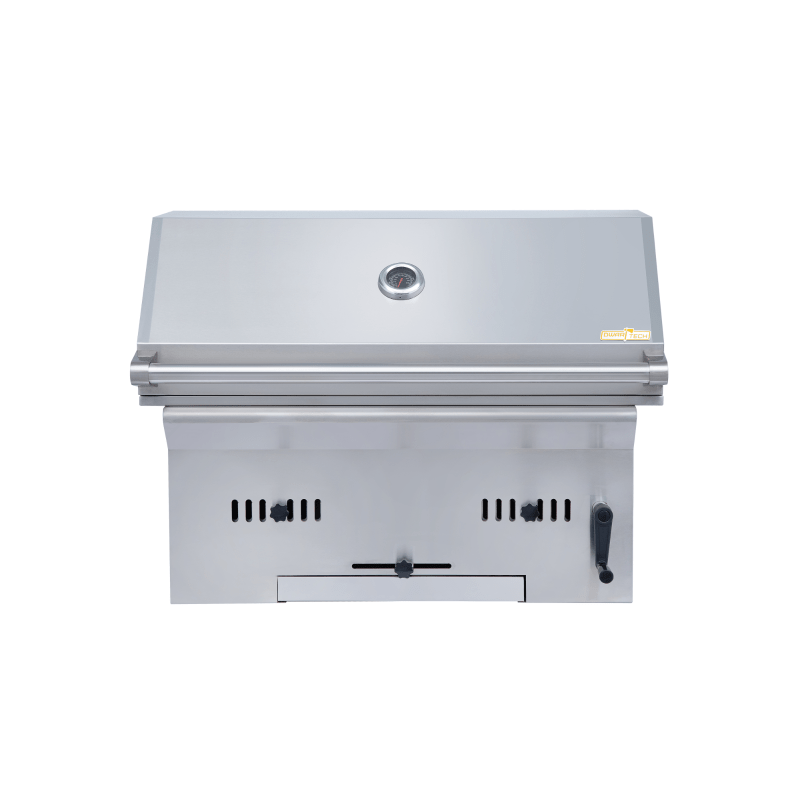
Professional chefs and grilling enthusiasts consistently choose stainless steel outdoor grills for their exceptional performance characteristics. The material's non-reactive properties ensure that flavors remain pure while its thermal conductivity provides even heat distribution across the entire cooking surface. Built-in thermometers eliminate guesswork, allowing precise temperature monitoring that separates amateur cooking from professional-grade results.
Temperature precision becomes critical when preparing premium cuts of meat that demand specific heat ranges for optimal texture and flavor development. Stainless steel outdoor grills equipped with integrated temperature gauges provide real-time feedback that enables consistent cooking performance regardless of external weather conditions or fuel variations.
Superior Material Properties of Stainless Steel Construction
Corrosion Resistance and Longevity
High-grade stainless steel construction provides unmatched resistance to rust, corrosion, and environmental degradation that commonly affects inferior grilling materials. The chromium content in quality stainless steel forms a protective oxide layer that self-repairs when scratched, ensuring decades of reliable performance. This inherent durability makes stainless steel outdoor grills an investment that maintains functionality and appearance through countless cooking sessions.
Unlike painted or coated surfaces that deteriorate over time, stainless steel maintains its structural integrity and aesthetic appeal without requiring frequent maintenance or replacement. The material's resistance to temperature fluctuations prevents warping and ensures consistent performance across varying seasonal conditions.
Heat Distribution and Retention Characteristics
Stainless steel's thermal properties create uniform heat distribution that eliminates hot spots and cold zones common in lower-quality grilling surfaces. This consistent temperature profile ensures even cooking across the entire grill surface, allowing multiple items to cook simultaneously without variation in doneness. The material's heat retention capabilities maintain stable temperatures even when adding food or opening the grill lid.
Professional-grade stainless steel outdoor grills incorporate multi-layered construction that optimizes heat transfer while preventing energy loss. This engineering approach reduces fuel consumption while maintaining precise temperature control essential for achieving perfect steak preparation.
Built-In Thermometer Technology and Precision
Real-Time Temperature Monitoring
Integrated thermometer systems provide instant temperature readings that eliminate the uncertainty associated with traditional cooking methods. These precision instruments display accurate internal grill temperatures, enabling cooks to maintain optimal heat ranges for different cooking techniques. Digital displays offer enhanced readability in various lighting conditions, ensuring consistent monitoring capability during extended cooking sessions.
Advanced thermometer technology in modern stainless steel outdoor grills includes multiple sensor points that monitor temperature variations across different grill zones. This comprehensive temperature mapping allows for simultaneous preparation of items requiring different heat levels, maximizing cooking efficiency and versatility.
Temperature Zone Management
Professional stainless steel outdoor grills feature multi-zone temperature control that creates distinct cooking areas with independent heat management. Built-in thermometers monitor each zone separately, enabling techniques such as searing over high heat while maintaining lower temperatures for gentle cooking or warming. This capability proves essential for preparing complete meals that include proteins, vegetables, and accompaniments with varying cooking requirements.
Zone-specific temperature monitoring allows experienced grill masters to implement advanced cooking strategies such as reverse searing, where steaks receive initial low-temperature cooking followed by high-heat finishing. This precision control elevates home cooking to restaurant-quality standards.
Optimal Steak Cooking Techniques and Temperature Control
Precision Temperature Ranges for Different Cuts
Different steak cuts require specific temperature ranges to achieve optimal texture and flavor development. Thick cuts like ribeye and porterhouse benefit from initial high-temperature searing followed by moderate heat finishing, while thinner cuts such as flank steak require consistent medium-high temperatures throughout the cooking process. Stainless steel outdoor grills with built-in thermometers enable precise monitoring of these critical temperature transitions.
Internal meat temperatures determine final doneness levels, ranging from 125°F for rare to 160°F for well-done preparations. Accurate grill temperature control ensures consistent heat application that achieves desired internal temperatures without overcooking exterior surfaces. This precision prevents the common problem of charred exteriors with undercooked centers.
Searing and Finishing Techniques
Professional searing requires sustained high temperatures between 450°F and 500°F to create the Maillard reaction that develops complex flavors and appealing crust formation. Stainless steel outdoor grills maintain these elevated temperatures consistently, while integrated thermometers confirm optimal searing conditions before food placement. The material's heat retention prevents temperature drops when adding cold meat to the cooking surface.
Finishing techniques often involve temperature reduction to 300°F-350°F ranges that allow internal heat penetration without continued surface browning. Built-in temperature monitoring enables smooth transitions between cooking phases, ensuring professional-quality results that rival high-end steakhouse preparations.
Maintenance and Durability Advantages
Cleaning and Care Requirements
Stainless steel surfaces require minimal maintenance while providing maximum durability and hygiene benefits. The non-porous material prevents bacteria accumulation and resists staining from marinades, sauces, and food residues. Simple cleaning protocols using appropriate stainless steel cleaners maintain the material's appearance and performance characteristics without degrading surface quality.
Regular maintenance of stainless steel outdoor grills involves basic cleaning procedures that preserve both functionality and aesthetic appeal. The material's resistance to corrosion eliminates concerns about rust formation or structural deterioration that commonly affect alternative materials exposed to outdoor elements.
Long-Term Investment Value
Quality stainless steel outdoor grills represent significant long-term value through decades of reliable performance without requiring replacement or major repairs. The initial investment cost becomes justified through extended operational life, consistent performance, and minimal maintenance requirements. Professional-grade construction ensures that these grills maintain their functionality and appearance throughout years of regular use.
Thermometer accuracy and reliability remain consistent throughout the grill's operational life, providing dependable temperature monitoring that supports consistent cooking results. This long-term precision capability distinguishes quality stainless steel outdoor grills from alternatives that experience gauge degradation or accuracy loss over time.
Professional Applications and Performance Standards
Commercial-Grade Features in Residential Settings
Modern stainless steel outdoor grills incorporate commercial-grade features that bring professional kitchen capabilities to residential outdoor cooking spaces. Heavy-duty construction, precise temperature control, and durable components enable home cooks to achieve restaurant-quality results consistently. These professional-grade features justify the investment for serious cooking enthusiasts who demand superior performance and reliability.
Built-in thermometer systems in residential stainless steel outdoor grills often match or exceed the accuracy of commercial kitchen equipment. This precision enables home cooks to implement professional cooking techniques that require exact temperature control, expanding culinary possibilities beyond basic grilling applications.
Versatility and Cooking Flexibility
Advanced stainless steel outdoor grills support diverse cooking methods including direct grilling, indirect roasting, smoking, and combination techniques that require different temperature profiles. Integrated thermometers monitor these varied applications, ensuring optimal results regardless of cooking method selection. This versatility transforms outdoor cooking from simple grilling to comprehensive culinary exploration.
Multi-functional capabilities allow stainless steel outdoor grills to serve as outdoor kitchen centerpieces that accommodate everything from quick weeknight dinners to elaborate weekend entertaining. Built-in temperature monitoring supports this versatility by providing accurate feedback for all cooking applications, ensuring consistent results across different preparation styles.
FAQ
What temperature should I maintain for perfect steak searing on stainless steel outdoor grills?
Optimal searing temperatures range between 450°F and 500°F for creating proper crust development while maintaining juicy interiors. Built-in thermometers on quality stainless steel outdoor grills help maintain these precise temperature ranges consistently. Preheating for 15-20 minutes ensures the entire cooking surface reaches optimal searing temperature before adding steaks.
How do built-in thermometers improve cooking consistency compared to external temperature gauges?
Integrated thermometers provide more accurate readings by measuring actual grill chamber temperature rather than estimated external conditions. This precision eliminates guesswork and enables consistent temperature control throughout cooking sessions. Built-in gauges respond faster to temperature changes, allowing immediate adjustments that maintain optimal cooking conditions.
What maintenance is required to keep stainless steel outdoor grills functioning optimally?
Regular cleaning with appropriate stainless steel cleaners maintains both appearance and functionality while preventing residue buildup that could affect performance. Thermometer calibration should be checked periodically to ensure accuracy, though quality units typically maintain precision for years. Proper cover protection when not in use extends equipment life and maintains consistent performance standards.
Can stainless steel outdoor grills handle extreme weather conditions without performance degradation?
High-quality stainless steel construction resists corrosion, temperature fluctuations, and environmental exposure that would damage inferior materials. Built-in thermometers are designed to function accurately across wide temperature ranges, maintaining precision in both extreme heat and cold conditions. Proper seasonal care ensures year-round functionality regardless of climate variations.
Table of Contents
- Superior Material Properties of Stainless Steel Construction
- Built-In Thermometer Technology and Precision
- Optimal Steak Cooking Techniques and Temperature Control
- Maintenance and Durability Advantages
- Professional Applications and Performance Standards
-
FAQ
- What temperature should I maintain for perfect steak searing on stainless steel outdoor grills?
- How do built-in thermometers improve cooking consistency compared to external temperature gauges?
- What maintenance is required to keep stainless steel outdoor grills functioning optimally?
- Can stainless steel outdoor grills handle extreme weather conditions without performance degradation?