
 EN
EN



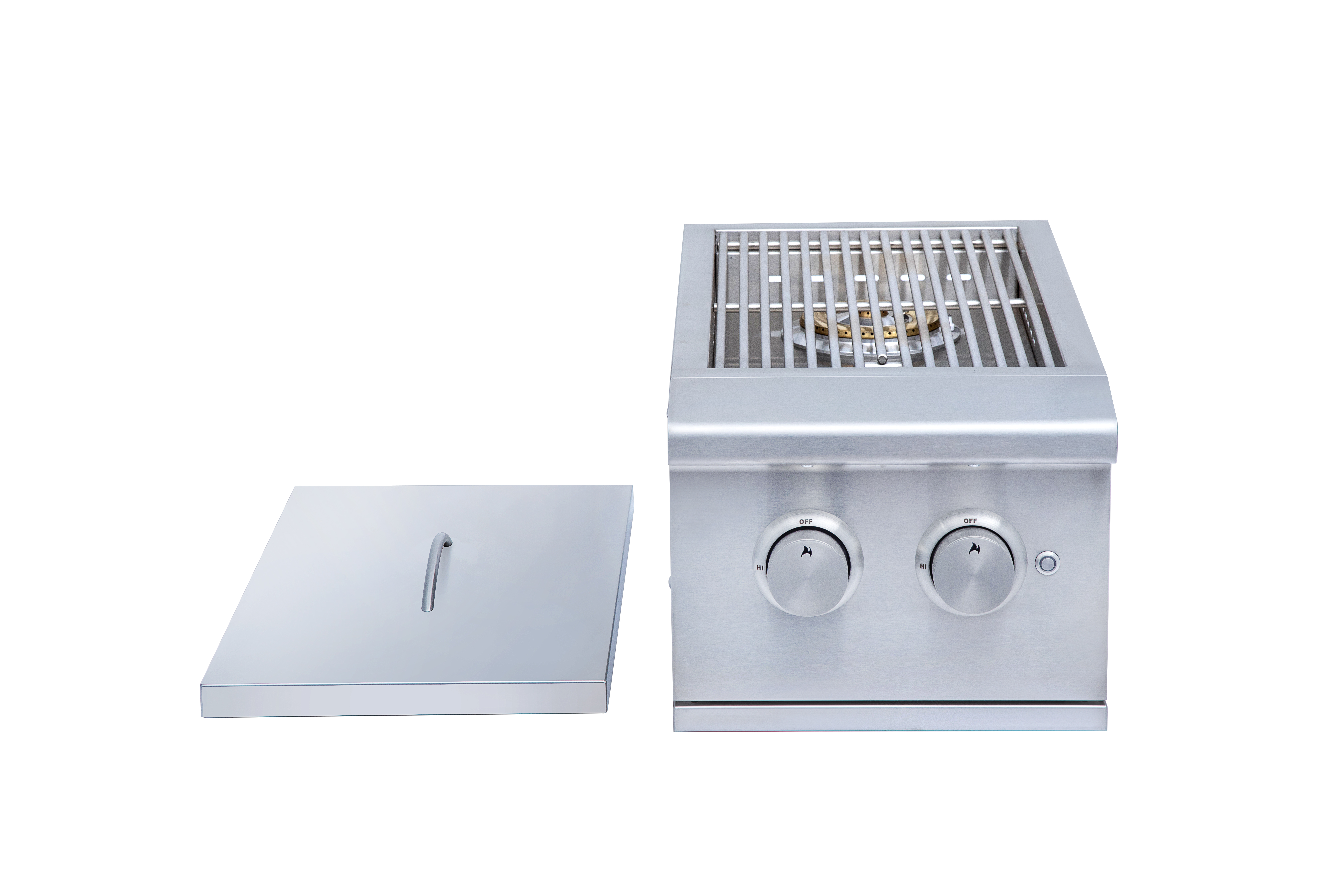
When investing in outdoor cooking equipment, durability stands as the paramount concern for both commercial establishments and serious home chefs. A stainless steel outdoor grill represents the pinnacle of weather-resistant cooking technology, engineered to endure the harshest environmental conditions while maintaining exceptional performance. The superior construction materials and specialized manufacturing processes ensure these grills can withstand decades of rain, snow, intense sunlight, and temperature fluctuations without compromising their structural integrity or cooking capabilities.
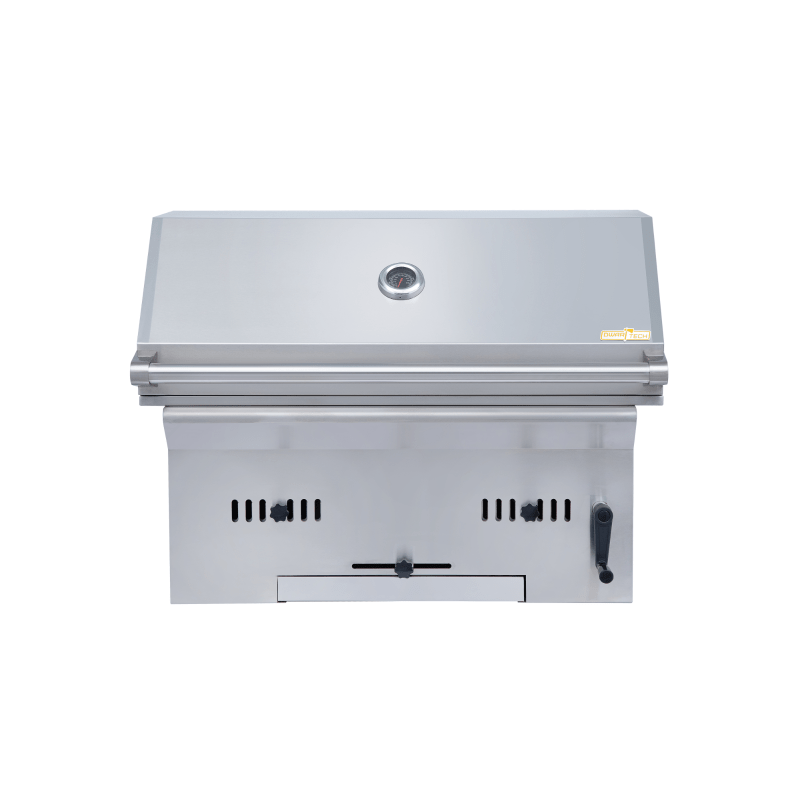
Material Science Behind Weather-Resistant Grilling Equipment
Understanding 304-Grade Stainless Steel Properties
The foundation of any exceptional stainless steel outdoor grill lies in its material composition, particularly the use of 304-grade stainless steel. This premium alloy contains approximately 18% chromium and 8% nickel, creating a protective oxide layer that naturally forms on the surface when exposed to oxygen. This passive layer acts as an invisible shield, preventing moisture penetration and corrosion formation that would otherwise compromise the grill's structural integrity over time.
Commercial-grade manufacturing standards require precise control over the steel's carbon content, typically maintaining levels below 0.08% to ensure optimal corrosion resistance. The chromium component forms chromium oxide when exposed to atmospheric conditions, creating a self-healing protective barrier that regenerates automatically when scratched or damaged. This remarkable property allows a stainless steel outdoor grill to maintain its defensive capabilities throughout years of continuous outdoor exposure.
Advanced Welding Techniques for Seamless Construction
Professional-grade outdoor grills employ sophisticated welding methodologies that eliminate potential weak points where moisture could infiltrate. TIG (Tungsten Inert Gas) welding creates seamless joints that maintain the same corrosion resistance as the base material, ensuring uniform protection across the entire grill structure. These welding techniques prevent galvanic corrosion that can occur when dissimilar metals come into contact in the presence of moisture.
The precision welding process also maintains the aesthetic appeal of the stainless steel outdoor grill, creating smooth, polished surfaces that resist dirt accumulation and facilitate easy cleaning. Quality manufacturers perform extensive quality control testing on weld integrity, including pressure testing and visual inspection to ensure each joint meets or exceeds industry standards for outdoor equipment durability.
Environmental Protection Systems and Design Features
Drainage and Ventilation Engineering
Effective moisture management represents a critical aspect of weather-resistant grill design, incorporating strategic drainage channels and ventilation systems that prevent water accumulation in critical areas. A well-engineered stainless steel outdoor grill features precisely angled surfaces that direct rainwater away from internal components, preventing standing water that could accelerate corrosion processes or damage electrical systems.
Ventilation systems maintain proper airflow throughout the grill's interior, preventing humidity buildup that could compromise internal components. These systems include strategically positioned vents that allow moisture to escape while preventing debris infiltration, creating an optimal internal environment that preserves the grill's mechanical components and extends operational lifespan significantly.
Surface Finishing and Protective Coatings
The surface finish applied to a stainless steel outdoor grill plays a crucial role in its ability to resist environmental degradation and maintain visual appeal over extended periods. Professional-grade finishing processes create microscopic surface textures that enhance the natural protective properties of stainless steel while improving scratch resistance and ease of maintenance.
Specialized electropolishing techniques remove surface impurities and create a uniform, mirror-like finish that maximizes corrosion resistance and simplifies cleaning procedures. This process removes embedded iron particles and other contaminants that could serve as nucleation sites for corrosion, ensuring the stainless steel outdoor grill maintains its protective capabilities throughout its operational lifetime.
Temperature Resistance and Thermal Cycling Performance
High-Temperature Durability Standards
Commercial-grade outdoor grills must withstand extreme temperature variations that occur during normal operation and seasonal weather changes. A properly constructed stainless steel outdoor grill maintains structural integrity when exposed to cooking temperatures exceeding 1000°F while simultaneously resisting thermal shock from rapid temperature changes caused by sudden weather events or quenching during cleaning procedures.
The thermal expansion properties of 304-grade stainless steel allow for controlled dimensional changes during heating and cooling cycles, preventing stress fractures or joint failures that could compromise the grill's weather resistance. Advanced design calculations account for thermal expansion rates, ensuring sufficient clearance and flexibility to accommodate temperature-induced dimensional changes without structural damage.
UV Radiation Protection and Color Stability
Prolonged exposure to ultraviolet radiation from sunlight can degrade many materials, but a quality stainless steel outdoor grill maintains its appearance and protective properties even after years of direct solar exposure. The inherent UV stability of stainless steel prevents the chalking, fading, or brittleness that affects painted or coated surfaces, ensuring consistent performance and visual appeal throughout the grill's operational lifetime.
The reflective properties of polished stainless steel surfaces actually provide additional protection by reflecting harmful UV radiation rather than absorbing it, preventing heat buildup that could stress internal components or create uncomfortable cooking conditions. This natural protection eliminates the need for periodic refinishing or coating replacement that other materials require.
Maintenance Protocols for Long-Term Weather Resistance
Regular Cleaning and Inspection Procedures
Maintaining optimal performance from a stainless steel outdoor grill requires implementing systematic cleaning and inspection protocols that preserve its weather-resistant properties. Regular removal of cooking residues, grease buildup, and environmental contaminants prevents the accumulation of materials that could compromise the protective oxide layer or create conditions favorable to corrosion development.
Professional cleaning techniques utilize appropriate cleaning agents that remove contaminants without damaging the stainless steel surface or its protective finish. Chloride-free cleaners prevent pitting corrosion, while proper rinsing techniques ensure complete removal of cleaning residues that could interfere with the natural passivation process that maintains corrosion resistance.
Seasonal Storage and Protection Strategies
While a stainless steel outdoor grill can withstand year-round exposure to weather conditions, implementing appropriate storage and protection strategies during extreme weather events or extended periods of non-use can significantly extend operational lifespan. Proper covering techniques protect against debris accumulation while maintaining adequate ventilation to prevent moisture buildup that could affect internal components.
Winterization procedures for regions experiencing freezing temperatures include thorough moisture removal from gas lines, grease management systems, and other components susceptible to freeze damage. These preventive measures ensure the grill remains ready for immediate use when favorable weather conditions return, without requiring extensive maintenance or repairs.
Performance Advantages in Commercial Applications
Reliability in High-Volume Cooking Environments
Commercial food service operations demand equipment that maintains consistent performance regardless of weather conditions or usage intensity. A commercial-grade stainless steel outdoor grill provides the reliability necessary for restaurants, catering operations, and institutional kitchens that cannot afford equipment failures or performance degradation due to environmental exposure.
The robust construction and weather-resistant design ensure consistent heat distribution and temperature control even during adverse weather conditions, allowing professional chefs to maintain food quality standards regardless of external environmental factors. This reliability translates directly into operational efficiency and customer satisfaction in commercial applications.
Cost-Effectiveness Through Extended Lifespan
The initial investment in a high-quality stainless steel outdoor grill represents exceptional long-term value when compared to the replacement costs and ongoing maintenance requirements of inferior equipment. The extended operational lifespan, combined with minimal maintenance requirements, creates favorable total cost of ownership calculations that justify the premium investment in professional-grade equipment.
Commercial operators benefit from reduced downtime, lower maintenance costs, and consistent performance that supports revenue generation over many years of continuous operation. The weather resistance of stainless steel outdoor grill construction eliminates many of the factors that typically necessitate premature equipment replacement in outdoor cooking applications.
FAQ
How long can a stainless steel outdoor grill withstand continuous outdoor exposure
A properly manufactured stainless steel outdoor grill using 304-grade stainless steel can withstand continuous outdoor exposure for 15-25 years or more with appropriate maintenance. The self-passivating properties of stainless steel create a protective oxide layer that continuously regenerates, providing long-term corrosion resistance even in challenging coastal or industrial environments where salt spray and pollutants are present.
What maintenance is required to preserve weather resistance in stainless steel grills
Maintaining weather resistance requires regular cleaning with appropriate stainless steel cleaners, periodic inspection of welds and joints, and prompt removal of any corrosive contaminants. Monthly cleaning schedules typically suffice for residential use, while commercial applications may require more frequent attention depending on usage intensity and environmental conditions. Proper maintenance preserves the protective oxide layer and prevents contamination buildup.
Can stainless steel outdoor grills handle extreme temperature variations
Yes, quality stainless steel outdoor grill construction is specifically engineered to handle extreme temperature variations from sub-zero winter conditions to high summer temperatures plus cooking heat exceeding 1000°F. The thermal expansion properties of 304-grade stainless steel allow controlled dimensional changes without structural stress, while the material's inherent stability prevents brittleness or warping under temperature extremes.
What distinguishes commercial-grade from residential stainless steel outdoor grills
Commercial-grade stainless steel outdoor grill construction typically features heavier gauge materials, more robust welding techniques, enhanced drainage systems, and upgraded internal components designed for intensive use. While both use similar stainless steel alloys, commercial models incorporate additional engineering features for extended durability, higher heat output capabilities, and more frequent cleaning cycles required in professional food service environments.
Table of Contents
- Material Science Behind Weather-Resistant Grilling Equipment
- Environmental Protection Systems and Design Features
- Temperature Resistance and Thermal Cycling Performance
- Maintenance Protocols for Long-Term Weather Resistance
- Performance Advantages in Commercial Applications
-
FAQ
- How long can a stainless steel outdoor grill withstand continuous outdoor exposure
- What maintenance is required to preserve weather resistance in stainless steel grills
- Can stainless steel outdoor grills handle extreme temperature variations
- What distinguishes commercial-grade from residential stainless steel outdoor grills