
 EN
EN



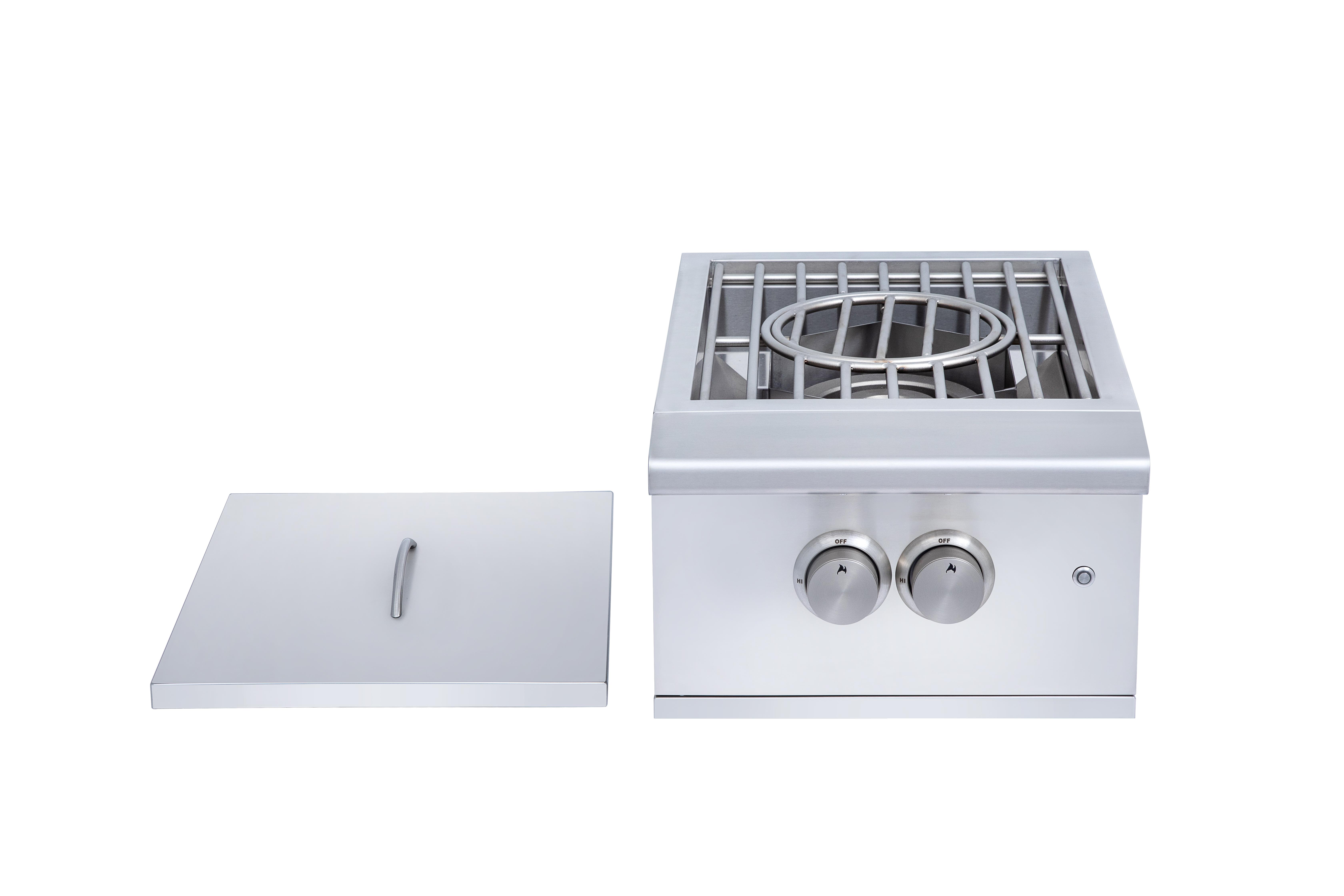
Selecting the right material for your stainless steel outdoor grill is one of the most critical decisions you'll make when investing in outdoor cooking equipment. The choice between 304 and 430 stainless steel fundamentally impacts durability, corrosion resistance, maintenance requirements, and long-term value. While both alloys carry the stainless steel designation and offer advantages over traditional materials, their performance characteristics differ significantly in outdoor environments where exposure to moisture, salt, temperature fluctuations, and acidic residues from cooking can accelerate material degradation. Understanding these differences enables you to match the material specification to your specific usage patterns, environmental conditions, budget constraints, and performance expectations.
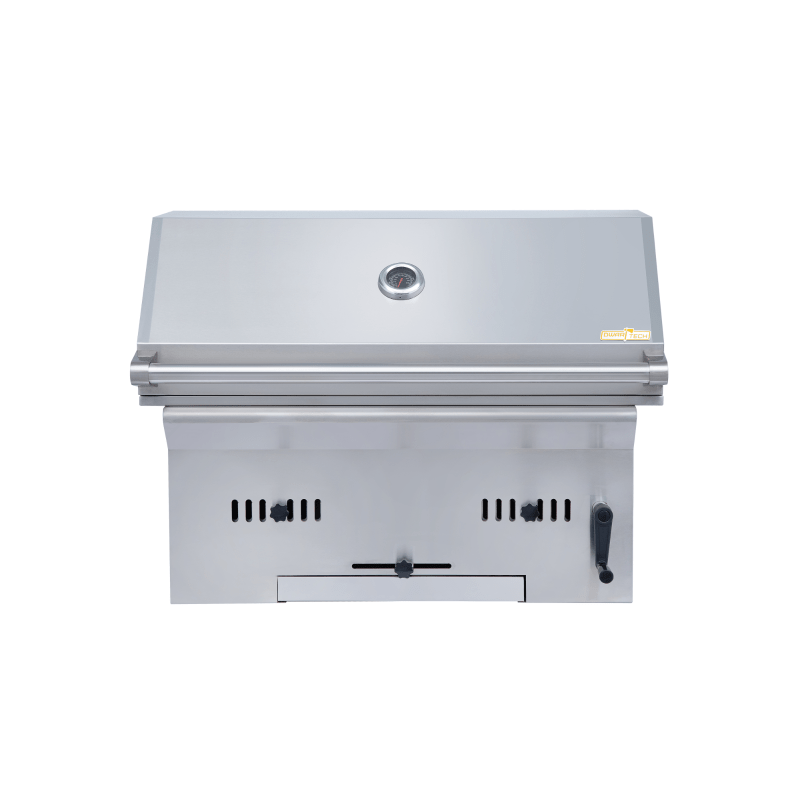
The decision between these two stainless steel grades for your outdoor grill hinges on analyzing the trade-offs between corrosion resistance, magnetic properties, formability, cost, and the specific environmental challenges your grill will face. Coastal locations with salt-laden air demand different material considerations than inland settings, while frequency of use, cooking styles, maintenance commitment, and budget allocation all influence which grade delivers optimal value. This comprehensive guide walks you through the metallurgical distinctions, performance implications, environmental suitability factors, and practical decision criteria that enable you to confidently choose between 304 and 430 stainless steel for your stainless steel outdoor grill investment.
Understanding the Metallurgical Differences Between 304 and 430 Stainless Steel
Chemical Composition and Alloy Structure
The fundamental distinction between 304 and 430 stainless steel lies in their chemical composition, which directly determines their physical properties and performance characteristics. Grade 304 stainless steel belongs to the austenitic family and contains approximately 18% chromium and 8% nickel, along with small amounts of manganese, silicon, and carbon. This nickel content is the defining feature that gives 304 its superior corrosion resistance and non-magnetic properties. The austenitic crystal structure remains stable across a wide temperature range, providing excellent formability and weldability that makes 304 the preferred choice for complex fabrication in demanding applications.
In contrast, 430 stainless steel is a ferritic grade containing approximately 16-18% chromium but no nickel content. This absence of nickel creates a ferritic crystal structure that exhibits magnetic properties and offers different mechanical characteristics. The ferritic structure provides good corrosion resistance in many environments, though not matching the performance of austenitic grades. The lower alloy content makes 430 stainless steel significantly more affordable than 304, which explains its popularity in cost-sensitive applications where moderate corrosion resistance suffices. For a stainless steel outdoor grill, understanding these compositional differences helps predict how each material will perform under your specific usage conditions.
Corrosion Resistance Performance Comparison
Corrosion resistance represents the most critical performance differentiator when choosing between 304 and 430 stainless steel for outdoor grill applications. The nickel content in 304 stainless steel creates a more stable and protective chromium oxide layer on the surface, which self-repairs when scratched or damaged. This passivation layer provides exceptional resistance to atmospheric corrosion, chloride attack, and acidic conditions that commonly occur on cooking surfaces exposed to marinades, sauces, citrus juices, and salt. The austenitic structure remains stable even when exposed to temperature cycling, preventing the thermal stress that can compromise surface integrity over time.
Grade 430 stainless steel offers adequate corrosion resistance for many outdoor applications but exhibits limitations in harsh environments. Without nickel, the chromium oxide layer is less robust and more susceptible to breakdown when exposed to chlorides, acidic compounds, or sustained moisture. Coastal environments pose particular challenges for 430 stainless steel outdoor grill units, as salt spray can initiate pitting corrosion that progressively degrades the material. However, in dry inland climates with proper maintenance, 430 performs satisfactorily for many users. The key consideration is matching the material's corrosion resistance capabilities to the severity of environmental exposure your grill will experience throughout its service life.
Mechanical Properties and Formability
The mechanical behavior of these two stainless steel grades significantly affects manufacturing processes, component design, and long-term structural integrity. Grade 304 stainless steel exhibits excellent ductility and formability due to its austenitic structure, allowing manufacturers to create complex shapes, tight bends, and intricate component geometries without cracking or work-hardening issues. This formability enables sophisticated grill designs with seamless construction, rounded edges, and integrated features that enhance both functionality and aesthetics. The material maintains its properties across a wide temperature range, providing consistent performance from cold winter conditions through high-heat summer grilling sessions.
The ferritic structure of 430 stainless steel provides good strength but with reduced ductility compared to 304, limiting the complexity of formed components and requiring more generous bend radii during fabrication. This characteristic typically results in simpler design geometries for 430 stainless steel outdoor grill components, though modern manufacturing techniques have expanded the range of achievable shapes. The material exhibits higher yield strength than 304 in some conditions, providing good structural rigidity for frames and support elements. However, the magnetic properties and lower work-hardening rate mean that 430 may not be suitable for components requiring extensive cold-forming or where non-magnetic properties are specified.
Environmental and Usage Factors That Influence Material Selection
Coastal Versus Inland Installation Considerations
Geographic location exerts profound influence on which stainless steel grade will deliver optimal performance for your outdoor grill installation. Coastal environments present the harshest conditions for metal durability, with salt-laden air constantly depositing chloride ions on exposed surfaces. These chlorides aggressively attack the passive oxide layer on stainless steel, with 430 grade showing vulnerability to pitting corrosion that initiates at localized weak points and progressively penetrates deeper into the material. Within direct ocean spray zones or locations less than five miles from saltwater, 304 stainless steel outdoor grill construction becomes strongly advisable to ensure long-term durability and appearance retention.
Inland locations with lower atmospheric chloride levels present less demanding conditions where 430 stainless steel can perform adequately with appropriate maintenance. Dry climates with low humidity reduce the persistence of moisture on surfaces, limiting the electrochemical corrosion processes that degrade stainless steel over time. However, even in favorable climates, local factors like proximity to swimming pools, hot tubs, or areas where de-icing salts are used can create microenvironments with elevated chloride exposure. Urban areas with industrial emissions or high pollution levels may introduce additional corrosive agents that affect material selection. Accurately assessing your specific environmental exposure helps determine whether the superior corrosion resistance of 304 justifies its higher cost or whether 430 will meet your performance requirements.
Frequency of Use and Cooking Style Impact
How you use your stainless steel outdoor grill significantly influences which material grade will best serve your needs over the long term. Frequent users who grill multiple times weekly expose their equipment to repeated heating cycles, extended periods of food residue contact, and more opportunities for corrosive compounds to attack metal surfaces. High-volume cooking generates more grease accumulation, acidic condensates, and thermal stress that can compromise marginal materials. For dedicated outdoor cooking enthusiasts, the investment in stainless steel outdoor grill equipment with 304 construction provides peace of mind that material degradation won't limit equipment lifespan or performance consistency.
Occasional users with seasonal grilling patterns face different considerations, as extended periods of non-use between cooking sessions can actually increase corrosion risk if residual moisture and contaminants remain on surfaces. However, lower cumulative exposure to corrosive cooking byproducts may allow 430 stainless steel to provide satisfactory service at lower initial cost. Cooking styles also matter significantly, with direct grilling of acidic marinades, citrus-based sauces, or salt-heavy preparations creating more aggressive surface conditions than simple burgers and hot dogs. Users who frequently cook fish, prepare complex sauces, or experiment with diverse cuisines should weight material selection toward the superior chemical resistance of 304 stainless steel for their outdoor grill investment.
Maintenance Commitment and Care Requirements
The maintenance regimen you're willing to commit to directly affects whether 430 or 304 stainless steel will deliver acceptable performance over your grill's service life. Grade 430 stainless steel outdoor grill units demand more rigorous and consistent maintenance to preserve appearance and prevent corrosion initiation. Prompt cleaning after each use, thorough removal of food residues and grease, regular application of stainless steel cleaners, and protective covering during extended non-use periods become essential rather than optional. Users who embrace meticulous equipment care can achieve satisfactory results with 430 stainless steel even in moderately challenging environments, though the margin for maintenance lapses remains narrow.
Grade 304 stainless steel provides greater tolerance for imperfect maintenance practices, with its superior corrosion resistance creating a buffer against occasional cleaning delays or incomplete residue removal. This forgiveness factor appeals to busy households where outdoor cooking competes with numerous other demands on time and attention. However, 304 stainless steel is not maintenance-free, and neglecting basic care will eventually compromise even this premium material. The practical question becomes whether you prefer paying upfront for material that tolerates imperfect maintenance or accepting more demanding care requirements to make a lower-cost material perform adequately. Your honest assessment of maintenance commitment should heavily influence material selection for your stainless steel outdoor grill purchase.
Cost Analysis and Long-Term Value Considerations
Initial Purchase Price Differential
The cost difference between 304 and 430 stainless steel outdoor grill models represents a significant decision factor that requires context beyond simple price comparison. Grade 430 stainless steel typically costs 30-50% less than comparable 304 construction, creating substantial initial savings that appeal to budget-conscious buyers or those uncertain about their long-term commitment to outdoor cooking. For entry-level users exploring outdoor grilling or those with strict budget constraints, the lower acquisition cost of 430 stainless steel outdoor grill units provides accessible entry into quality cooking equipment without the premium price associated with top-tier materials.
However, focusing exclusively on purchase price ignores the total cost of ownership equation that includes maintenance expenses, replacement frequency, and residual value. The price premium for 304 stainless steel reflects genuine material cost differences driven by nickel content and more complex manufacturing requirements, not arbitrary markup. This premium typically ranges from several hundred dollars for basic models to over a thousand dollars for large, feature-rich units. Buyers must evaluate whether this incremental investment aligns with their equipment expectations, intended usage intensity, environmental exposure conditions, and planning horizon. The decision becomes less about absolute cost and more about value optimization across the equipment lifecycle.
Durability and Replacement Cycle Economics
Long-term value analysis requires projecting equipment lifespan under realistic usage conditions and calculating annualized ownership costs rather than focusing solely on acquisition price. A 304 stainless steel outdoor grill in coastal environments might deliver 15-20 years of excellent service with reasonable maintenance, while a 430 unit in the same location may show significant corrosion within 5-7 years, requiring replacement or expensive component refurbishment. This durability differential dramatically affects total cost per year of service, often making the initially expensive 304 option more economical over a typical ownership period.
In favorable inland environments with conscientious maintenance, 430 stainless steel can provide 8-12 years of satisfactory performance, narrowing the value gap with 304 construction. The economic calculation must also account for performance degradation over time, as corroding surfaces become more difficult to clean, heat distribution becomes less uniform, and aesthetic appeal declines even before structural failure occurs. Users who plan to keep equipment for maximum lifespan should weight their analysis toward materials that maintain performance consistency rather than accepting declining functionality. The replacement decision also involves disposal costs, installation effort, and the opportunity cost of dealing with premature equipment failure during peak usage seasons.
Resale Value and Equipment Transferability
The residual value consideration often receives insufficient attention in material selection decisions but can significantly affect total ownership economics, particularly for users who may relocate or upgrade equipment before reaching end-of-life. Grade 304 stainless steel outdoor grill equipment maintains substantially higher resale value than 430 construction, as sophisticated buyers recognize the durability advantages and remaining service life potential. Well-maintained 304 units can retain 40-60% of original value after five years, while comparable 430 equipment may command only 20-30% of purchase price due to visible corrosion, buyer concerns about remaining lifespan, and limited market demand for lower-grade used equipment.
This value retention advantage provides financial flexibility for users whose circumstances change, whether through relocation, lifestyle shifts, or desire to upgrade to newer designs. Premium materials also enhance equipment transferability when selling homes, as quality outdoor kitchens with 304 stainless steel outdoor grill installations appeal to buyers and can contribute to property value. The ability to confidently pass equipment to family members or donate to community organizations without embarrassment about condition also represents intangible value that purely economic calculations may underweight. When factoring in residual value, the effective cost difference between 304 and 430 construction narrows considerably, sometimes favoring premium material selection even for cost-conscious buyers.
Practical Decision Framework for Material Selection
Decision Matrix Based on Usage Scenarios
Developing a systematic approach to choosing between 304 and 430 stainless steel for your outdoor grill requires evaluating multiple factors simultaneously rather than over-indexing on any single consideration. For coastal installations within five miles of saltwater, regardless of usage frequency or budget, 304 stainless steel represents the only prudent choice to avoid premature corrosion failure and ongoing frustration with appearance degradation. The harsh chloride exposure simply exceeds the protective capabilities of 430 grade material, making any cost savings illusory when replacement occurs within a few years.
Inland locations with low atmospheric contamination permit more nuanced analysis based on usage patterns and maintenance commitment. Frequent users who grill three or more times weekly should favor 304 construction regardless of environment, as the cumulative exposure to cooking byproducts and thermal cycling justifies the durability investment. Occasional users in favorable climates with strong maintenance habits can achieve satisfactory results with 430 stainless steel outdoor grill equipment, accepting more rigorous care requirements to realize cost savings. Users uncertain about their long-term grilling commitment might reasonably start with quality 430 construction, recognizing they may upgrade to premium materials if outdoor cooking becomes a sustained passion.
Hybrid Construction Approaches and Component-Level Optimization
Sophisticated manufacturers increasingly offer hybrid construction strategies that optimize material selection at the component level rather than applying uniform grades throughout the entire grill assembly. Critical surfaces experiencing direct food contact, intense heat exposure, and maximum corrosive conditions receive 304 stainless steel specification, while structural frames, less-exposed panels, and non-critical components use 430 grade to control costs. This approach delivers enhanced durability where it matters most while maintaining accessible pricing for the overall unit.
When evaluating stainless steel outdoor grill options, examine material specifications for specific components rather than accepting blanket grade designations. Cooking grates, firebox interiors, burner components, and any surfaces exposed to direct flame or continuous moisture warrant 304 construction regardless of overall grill grade. External panels, cart frames, and protected internal structures can often utilize 430 material without significant performance compromise in most environments. This component-level analysis enables more sophisticated purchasing decisions that allocate budget toward durability where it delivers maximum value while accepting cost-effective materials where exposure conditions are less demanding.
Warranty Coverage and Manufacturer Confidence Indicators
Manufacturer warranty terms provide valuable insight into expected material performance and company confidence in their stainless steel outdoor grill construction. Premium manufacturers typically offer 10-15 year warranties on 304 stainless steel components, reflecting genuine confidence in long-term durability and willingness to stand behind product performance. Shorter warranty periods or exclusions for corrosion damage signal manufacturer recognition of material limitations and should influence your assessment of expected service life versus purchase price.
Carefully examine warranty language regarding corrosion coverage, as many manufacturers exclude rust and staining from warranty protection even on stainless steel equipment, effectively transferring material risk to buyers. This practice is more common with 430 grade construction, where manufacturers recognize that environmental factors beyond their control significantly affect corrosion performance. Comprehensive corrosion coverage with minimal exclusions indicates manufacturer confidence in material selection and manufacturing quality. When comparing similar-priced units with different material grades, warranty terms often reveal which option delivers superior long-term value, making this analysis an essential component of informed purchase decisions.
FAQ
What is the main difference between 304 and 430 stainless steel for outdoor grills?
The primary difference lies in their chemical composition and resulting corrosion resistance. Grade 304 contains approximately 8% nickel along with 18% chromium, creating an austenitic structure with superior corrosion resistance, particularly against chlorides and acidic compounds commonly encountered in cooking environments. Grade 430 contains 16-18% chromium but no nickel, resulting in a ferritic structure with adequate but inferior corrosion resistance. For stainless steel outdoor grill applications, this difference translates to significantly better durability in harsh environments for 304, especially in coastal locations or areas with high atmospheric contamination. The nickel content also makes 304 non-magnetic, more formable, and better suited to complex fabrication, while 430 offers lower cost but requires more diligent maintenance to achieve comparable service life.
Can 430 stainless steel be used successfully for outdoor grills in coastal areas?
While 430 stainless steel can technically be used in coastal environments, it is not recommended for locations within direct exposure to salt spray or within five miles of ocean water. The ferritic structure of 430 stainless steel lacks sufficient corrosion resistance to withstand sustained chloride attack from salt-laden air, leading to pitting corrosion that progressively degrades the material within a few years. Even with rigorous maintenance including immediate post-use cleaning, regular protective treatments, and covering during non-use periods, 430 stainless steel outdoor grill equipment in coastal settings will show visible corrosion much sooner than 304 construction. For users in these challenging environments, the higher initial cost of 304 stainless steel represents essential investment rather than optional upgrade, as premature replacement of corroded 430 equipment ultimately costs more than purchasing appropriate materials initially.
How does maintenance differ between 304 and 430 stainless steel grills?
Both grades require regular cleaning and proper care, but 430 stainless steel demands significantly more rigorous and consistent maintenance to prevent corrosion initiation and preserve appearance. Grade 430 stainless steel outdoor grill owners must clean surfaces immediately after each use, thoroughly remove all food residues and grease, avoid leaving acidic or salty compounds on surfaces overnight, and apply stainless steel cleaners regularly to maintain the protective oxide layer. Covering the grill during extended non-use periods becomes essential rather than optional, and any signs of surface discoloration or staining require prompt attention to prevent progression to deeper corrosion. Grade 304 provides greater tolerance for occasional maintenance lapses, with its superior passive layer resisting corrosion even when cleaning is delayed. However, 304 is not maintenance-free and still requires reasonable care to achieve its full durability potential, including regular cleaning, periodic application of stainless steel protectants, and protection from sustained moisture exposure during extended storage periods.
Does the higher cost of 304 stainless steel justify the investment for all users?
The value proposition of 304 versus 430 stainless steel depends significantly on individual circumstances including environmental exposure, usage frequency, maintenance commitment, and ownership timeframe. For coastal installations, frequent users, or those seeking maximum equipment lifespan with minimal maintenance burden, 304 stainless steel outdoor grill construction clearly justifies its premium pricing through superior durability, consistent performance, and higher residual value. The total cost of ownership including replacement cycles often favors 304 even with its higher acquisition price. However, occasional users in favorable inland climates with strong maintenance habits may achieve satisfactory results with quality 430 construction, realizing genuine cost savings that can be allocated to other features or accessories. The decision should be based on realistic assessment of your specific situation rather than universal recommendations, weighing initial cost against expected service life, maintenance requirements, and the value you place on long-term performance consistency and appearance retention.
Table of Contents
- Understanding the Metallurgical Differences Between 304 and 430 Stainless Steel
- Environmental and Usage Factors That Influence Material Selection
- Cost Analysis and Long-Term Value Considerations
- Practical Decision Framework for Material Selection
-
FAQ
- What is the main difference between 304 and 430 stainless steel for outdoor grills?
- Can 430 stainless steel be used successfully for outdoor grills in coastal areas?
- How does maintenance differ between 304 and 430 stainless steel grills?
- Does the higher cost of 304 stainless steel justify the investment for all users?