
 EN
EN



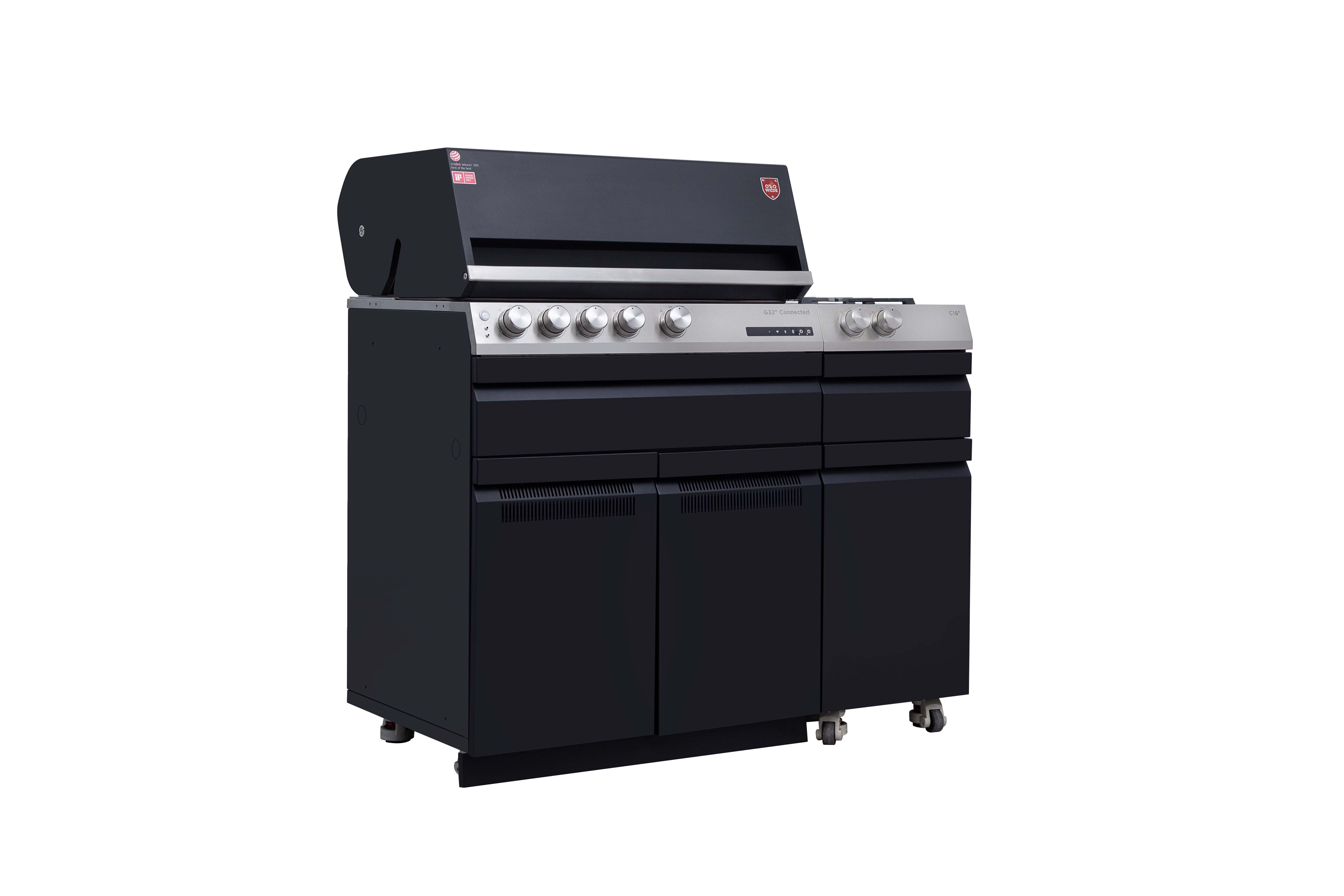
Proper BBQ grill cleaning is essential for maintaining food safety, extending equipment lifespan, and ensuring optimal cooking performance. Many grill enthusiasts underestimate the importance of thorough post-cooking maintenance, which can lead to grease buildup, rust formation, and compromised flavor profiles. Establishing a consistent BBQ grill cleaning routine immediately after each use prevents stubborn residue accumulation and reduces the need for intensive deep-cleaning sessions. Professional chefs and backyard barbecue masters alike recognize that meticulous grill maintenance directly impacts cooking results and equipment longevity.
Essential Tools and Materials for Effective Grill Maintenance
Basic Cleaning Equipment Requirements
Successful BBQ grill cleaning requires specific tools designed to handle high-temperature residue and grease accumulation. Wire brushes with stainless steel bristles effectively remove charred food particles from cooking grates, while plastic scrapers work well for delicate surfaces that might scratch. Microfiber cloths absorb grease and cleaning solutions without leaving lint residue, making them ideal for stainless steel surfaces. Heavy-duty gloves protect hands from sharp edges and cleaning chemicals during the maintenance process.
Professional-grade grill cleaning tools include long-handled brushes that provide safe distance from hot surfaces and specialized scrapers designed for different grill materials. Disposable aluminum foil serves multiple purposes during BBQ grill cleaning, from creating makeshift scrubbers to protecting surrounding surfaces. Quality cleaning tools represent a worthwhile investment that simplifies maintenance routines and produces superior results compared to improvised alternatives.
Chemical Solutions and Natural Cleaning Alternatives
Commercial grill cleaning products contain degreasers specifically formulated to dissolve carbonized food residue and grease buildup effectively. These specialized solutions penetrate stubborn deposits that standard dish soap cannot handle, making BBQ grill cleaning more efficient and thorough. However, many grill owners prefer natural alternatives like white vinegar, baking soda, and lemon juice, which provide effective cleaning power without harsh chemical residues that might affect food flavor.
Natural cleaning solutions offer environmental benefits and cost advantages while maintaining cleaning effectiveness for regular BBQ grill cleaning maintenance. A mixture of warm water and dish soap handles most routine cleaning tasks, while vinegar solutions excel at removing mineral deposits and water spots from stainless steel surfaces. Baking soda creates an abrasive paste that eliminates stubborn stains without scratching delicate finishes, making it particularly valuable for thorough grill restoration projects.
Immediate Post-Cooking Cleaning Procedures
Hot Grill Cleaning Techniques
Cleaning your grill while it remains hot offers significant advantages for removing fresh grease and food particles before they solidify and become difficult to eliminate. The retained heat helps soften stuck-on residue, making BBQ grill cleaning more efficient and requiring less aggressive scrubbing that might damage cooking surfaces. However, safety considerations are paramount when performing hot grill maintenance, requiring proper protective equipment and careful handling techniques.
Begin hot grill maintenance by removing cooking grates while they retain warmth, allowing easier access to all surfaces requiring attention. Steam cleaning methods work exceptionally well during this phase, as water droplets create steam that loosens stubborn residue naturally. Professional barbecue chefs often use damp newspaper or cloth to create controlled steam while simultaneously cleaning surfaces, demonstrating the effectiveness of combining heat and moisture in BBQ grill cleaning procedures.
Safe Handling and Temperature Considerations
Temperature management during BBQ grill cleaning requires careful attention to prevent burns and equipment damage while maximizing cleaning effectiveness. Allow extremely hot grills to cool slightly before beginning maintenance procedures, but retain sufficient warmth to facilitate easier cleaning. This optimal temperature window typically occurs 10-15 minutes after cooking completion, when surfaces remain warm but are safe to handle with proper protective equipment.
Monitor grill temperature using infrared thermometers or built-in temperature gauges to determine ideal cleaning conditions safely. Gradual cooling prevents thermal shock that might crack ceramic components or warp metal surfaces, preserving grill integrity during maintenance procedures. Understanding proper timing for BBQ grill cleaning ensures both safety and effectiveness while extending equipment lifespan through careful temperature management practices.
Comprehensive Grill Component Cleaning Methods
Cooking Grate Maintenance Procedures
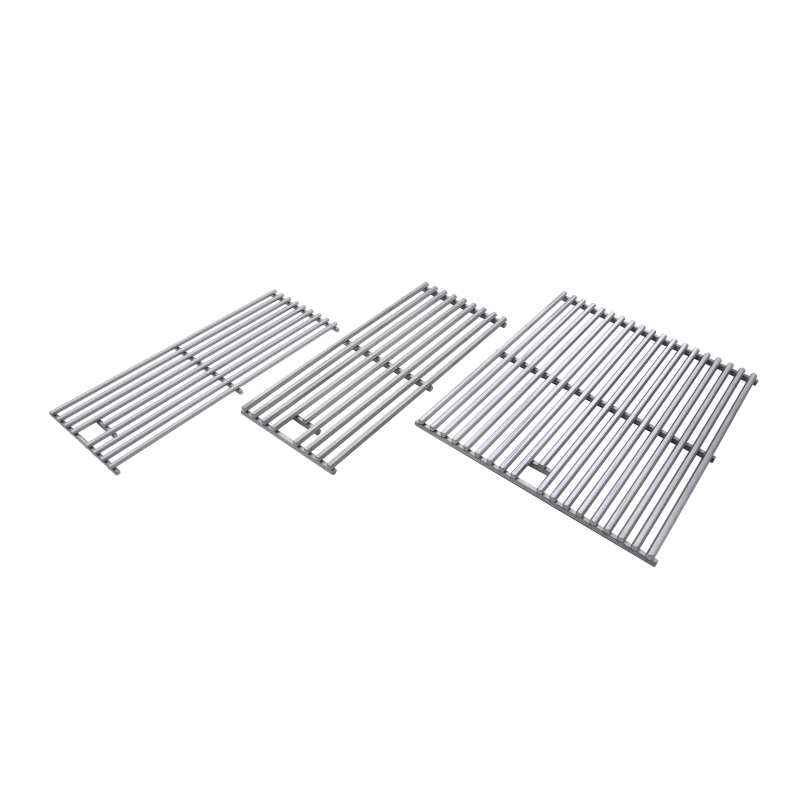
Cooking grates require specialized attention during BBQ grill cleaning due to their direct contact with food and exposure to intense heat cycles. BBQ grill cleaning of stainless steel grates involves different techniques than cast iron alternatives, requiring specific approaches to prevent damage while ensuring thorough sanitation. Stainless steel grates respond well to commercial degreasers and high-temperature cleaning, while cast iron requires more gentle treatment to preserve seasoning layers.
Remove cooking grates completely from the grill to access all surfaces during comprehensive cleaning sessions. Soaking heavily soiled grates in warm, soapy water helps loosen stubborn residue before scrubbing, reducing the physical effort required for effective BBQ grill cleaning. Wire brushes work effectively on most grate materials, but avoid overly aggressive scrubbing that might remove protective coatings or create scratches where bacteria could accumulate.
Firebox and Grease Management System Cleaning
The firebox accumulates significant grease and ash deposits that require regular attention during comprehensive BBQ grill cleaning sessions. These deposits create fire hazards and produce unpleasant odors if allowed to accumulate excessively, making regular firebox maintenance essential for safe grill operation. Remove all ash and debris from gas grill fireboxes, paying particular attention to burner tubes and ignition systems that might become clogged with residue.
Grease management systems, including drip pans and collection trays, require thorough cleaning and occasional replacement depending on usage frequency and maintenance consistency. Empty and clean these components after every few cooking sessions to prevent overflow and reduce fire risks associated with accumulated grease. Regular attention to grease management during BBQ grill cleaning prevents more serious maintenance issues and ensures consistent cooking performance throughout the grilling season.
Deep Cleaning Strategies for Seasonal Maintenance
Complete Disassembly and Restoration Techniques
Seasonal BBQ grill cleaning requires complete disassembly to access components that receive minimal attention during routine maintenance sessions. This comprehensive approach allows thorough inspection of internal mechanisms, replacement of worn components, and restoration of optimal cooking performance. Document the disassembly process with photographs to ensure proper reassembly and prevent confusion when rebuilding complex grill systems.
Professional-level seasonal cleaning involves examining gas lines, electrical connections, and mechanical components for wear or damage that might compromise safety or performance. Replace worn gaskets, clean clogged burner orifices, and lubricate moving parts according to manufacturer specifications during comprehensive BBQ grill cleaning sessions. This thorough approach extends equipment lifespan and maintains optimal cooking performance throughout multiple grilling seasons.
Rust Prevention and Surface Protection Methods
Preventing rust formation requires proactive measures during BBQ grill cleaning, particularly for equipment exposed to outdoor elements throughout the year. Apply food-safe protective coatings to susceptible metal surfaces after thorough cleaning and drying procedures. High-temperature cooking oils create protective barriers on cast iron surfaces, while specialized rust inhibitors protect other metal components from moisture-related corrosion.
Regular inspection during routine BBQ grill cleaning helps identify early rust formation before it becomes problematic, allowing prompt treatment with appropriate rust removal products. Address surface rust immediately using fine abrasives followed by protective coatings to prevent spreading and maintain equipment integrity. Proper storage techniques, including moisture control and protective covers, complement cleaning efforts in comprehensive rust prevention strategies.
Safety Protocols and Best Practices
Personal Protection and Hazard Management
Personal safety during BBQ grill cleaning requires appropriate protective equipment and awareness of potential hazards associated with cleaning chemicals and hot surfaces. Heat-resistant gloves protect hands from burns while providing dexterity for detailed cleaning tasks, while safety glasses prevent chemical splashes and debris from reaching eyes. Adequate ventilation ensures safe use of cleaning products and prevents accumulation of potentially harmful fumes in enclosed areas.
Chemical safety protocols during BBQ grill cleaning include reading product labels thoroughly, following mixing instructions precisely, and never combining different cleaning products that might create dangerous reactions. Store cleaning chemicals safely away from heat sources and children, maintaining proper labeling and expiration date awareness. Emergency procedures should include immediate access to water for chemical exposure and knowledge of appropriate first aid measures for common cleaning-related injuries.
Environmental Considerations and Waste Management
Responsible BBQ grill cleaning includes proper disposal of cleaning materials and waste products to minimize environmental impact. Grease and food debris should never enter storm drains or natural water sources, requiring collection and disposal through appropriate municipal waste systems. Used cleaning solutions require proper disposal according to local regulations, particularly those containing commercial degreasers or harsh chemicals.
Sustainable cleaning practices incorporate biodegradable cleaning products and reusable cleaning materials whenever possible during regular BBQ grill cleaning routines. Composting organic food waste and recycling metal components contributes to environmentally responsible grill maintenance practices. Water conservation during cleaning procedures reduces resource consumption while maintaining effective sanitation standards through efficient cleaning techniques and proper tool selection.
FAQ
How often should I perform thorough BBQ grill cleaning?
The frequency of comprehensive BBQ grill cleaning depends on usage patterns, but most experts recommend deep cleaning every 5-10 cooking sessions or monthly during peak grilling season. Light cleaning after each use prevents excessive buildup and reduces the need for intensive cleaning sessions. Heavy users may require more frequent deep cleaning, while occasional grill users can extend intervals between thorough maintenance sessions.
Can I use regular household cleaners for BBQ grill cleaning?
While some household cleaners work effectively for BBQ grill cleaning, specialized grill cleaning products often provide superior results for heavy grease and carbonized residue. Dish soap and warm water handle routine cleaning adequately, but commercial degreasers excel at removing stubborn buildup. Avoid harsh chemicals that might leave residues affecting food flavor or damage grill surfaces, particularly on stainless steel or coated components.
What temperature should my grill be for optimal cleaning results?
Optimal BBQ grill cleaning occurs when surfaces retain moderate warmth but remain safe to handle, typically 10-15 minutes after cooking completion. This temperature range allows easy residue removal while preventing burns and equipment damage from excessive heat exposure. Completely cold grills require more aggressive cleaning methods, while extremely hot surfaces present safety hazards and might damage cleaning tools.
How do I prevent rust formation during grill storage?
Preventing rust during storage requires thorough BBQ grill cleaning followed by complete drying and application of protective coatings to susceptible surfaces. Remove all moisture, food residue, and grease before storage, as these materials accelerate corrosion processes. Use breathable covers that protect from precipitation while allowing air circulation, and consider moisture-absorbing products in humid storage environments to maintain optimal conditions.