
 EN
EN



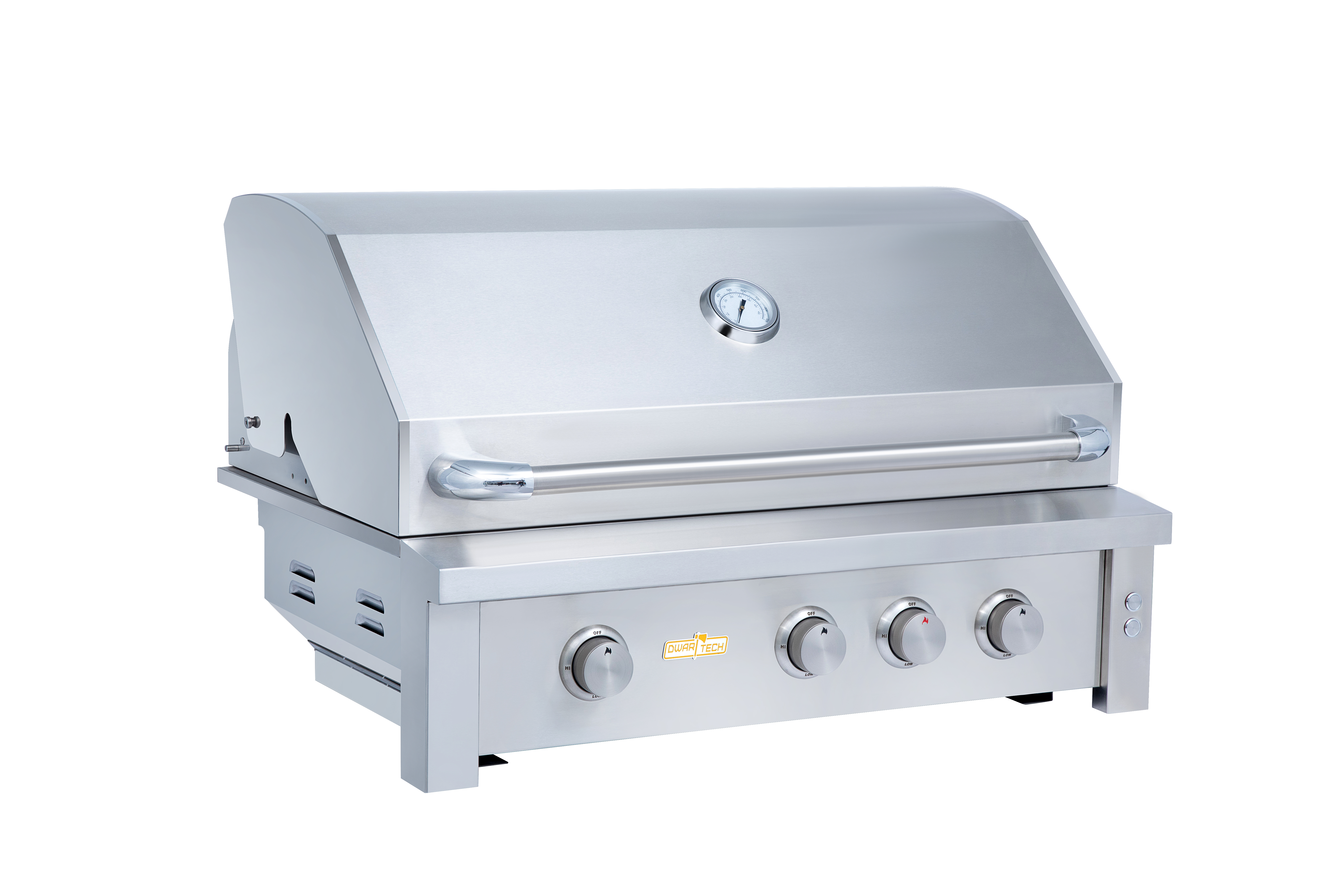
Choosing the right outdoor cooking equipment can transform your backyard dining experience from ordinary to extraordinary. A stainless steel outdoor grill represents one of the most significant investments many homeowners consider for their outdoor kitchen setup. With its sleek appearance, exceptional durability, and superior heat retention properties, this type of grilling equipment has become increasingly popular among serious outdoor cooking enthusiasts. The decision to invest in premium grilling equipment involves careful consideration of various factors including material quality, long-term value, and cooking performance capabilities.
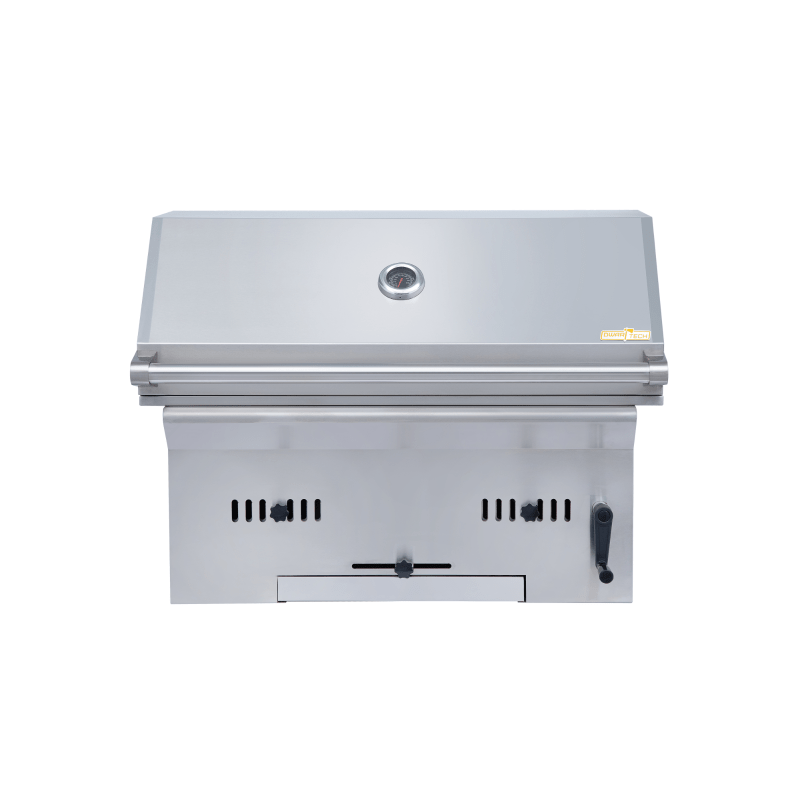
Superior Material Advantages of Stainless Steel Construction
Corrosion Resistance and Weather Protection
The primary advantage of a stainless steel outdoor grill lies in its exceptional resistance to corrosion and weathering. Unlike traditional cast iron or carbon steel alternatives, stainless steel contains chromium alloys that create a protective oxide layer on the surface. This natural barrier prevents rust formation even when exposed to moisture, humidity, and temperature fluctuations common in outdoor environments. Professional grade stainless steel grills typically feature 304 or 316 grade steel, which offers enhanced protection against salt air and acidic conditions.
The weather resistance properties extend far beyond simple rust prevention. Stainless steel maintains its structural integrity through extreme temperature variations, from freezing winter conditions to scorching summer heat. This durability ensures that your grilling equipment remains functional and aesthetically appealing throughout multiple seasons without requiring extensive maintenance or protective coverings. The material's inherent properties make it an ideal choice for coastal regions where salt exposure accelerates corrosion in lesser materials.
Heat Distribution and Retention Characteristics
Professional-grade stainless steel outdoor grill units excel in heat distribution and retention compared to many alternative materials. The thermal conductivity properties of stainless steel allow for consistent temperature maintenance across the entire cooking surface. This uniform heat distribution eliminates hot spots and cold zones that can result in uneven cooking results. The material's ability to retain heat efficiently reduces fuel consumption while maintaining optimal cooking temperatures for extended periods.
Advanced stainless steel construction often incorporates multiple layers or specialized designs that enhance thermal performance. Double-wall construction creates insulation chambers that improve heat retention while protecting external surfaces from excessive heat buildup. These engineering features contribute to more efficient fuel utilization and better temperature control, essential factors for achieving consistent grilling results across various food types and cooking techniques.
Long-Term Investment Value and Cost Analysis
Initial Purchase Price Considerations
The upfront cost of a premium stainless steel outdoor grill typically exceeds that of basic grilling alternatives by a significant margin. Entry-level stainless steel models often start at several hundred dollars, while professional-grade units can cost thousands depending on size, features, and construction quality. This initial investment requires careful budget planning and consideration of intended usage patterns. However, the cost differential reflects superior materials, enhanced durability, and advanced engineering that contribute to long-term value.
When evaluating purchase price, consumers should consider the total cost of ownership rather than focusing solely on initial expenses. Cheaper alternatives often require frequent replacement parts, regular maintenance supplies, and eventual complete replacement within a few years. A high-quality stainless steel outdoor grill may represent a higher initial investment but typically delivers decades of reliable service with minimal additional costs beyond routine cleaning and basic maintenance.
Maintenance Costs and Longevity Benefits
Maintenance requirements for stainless steel grilling equipment remain minimal compared to other materials. Regular cleaning with appropriate stainless steel cleaners and occasional deep cleaning sessions represent the primary ongoing maintenance expenses. The material's resistance to corrosion eliminates the need for protective coatings, rust treatment products, or frequent replacement of degraded components. This reduced maintenance burden translates to lower long-term ownership costs and less time spent on equipment upkeep.
The longevity benefits of a well-constructed stainless steel outdoor grill often justify the initial investment through extended service life. Quality units commonly provide fifteen to twenty years of reliable operation with proper care, compared to three to five years typical of lower-grade alternatives. This extended lifespan reduces the frequency of replacement purchases and contributes to better overall value proposition for serious outdoor cooking enthusiasts.
Performance Enhancement Features and Cooking Capabilities
Temperature Control and Heat Management
Advanced stainless steel outdoor grill designs incorporate sophisticated temperature control systems that enable precise heat management for various cooking techniques. Multi-zone heating capabilities allow users to create different temperature zones across the cooking surface, facilitating simultaneous preparation of items requiring different heat levels. Professional-grade models often include integrated thermometers, adjustable air vents, and specialized burner configurations that provide restaurant-quality temperature control in residential settings.
The superior heat management capabilities extend to fuel efficiency and cooking consistency. Stainless steel construction enables better heat retention and distribution, reducing fuel consumption while maintaining optimal cooking temperatures. This efficiency translates to cost savings over time and improved cooking results across various food types. The ability to maintain consistent temperatures throughout extended cooking sessions makes stainless steel units particularly valuable for slow-cooking applications and large meal preparations.
Cooking Versatility and Technique Options
Modern stainless steel outdoor grill systems offer remarkable cooking versatility through specialized design features and accessory compatibility. Many models accommodate various cooking techniques including direct grilling, indirect roasting, smoking, and even pizza preparation through specialized attachments. The robust construction and heat retention properties make these units suitable for both high-temperature searing and low-temperature slow cooking applications.
The cooking surface options available with stainless steel grills provide additional versatility for different food preparation styles. Interchangeable cooking grates, griddle plates, and specialized inserts allow users to customize their cooking surface based on specific menu requirements. This adaptability eliminates the need for multiple outdoor cooking appliances and maximizes the utility derived from a single high-quality stainless steel outdoor grill investment.
Environmental Impact and Sustainability Considerations
Material Sustainability and Recyclability
Stainless steel represents one of the most environmentally sustainable materials available for outdoor cooking equipment manufacturing. The alloy consists primarily of iron, chromium, and nickel, all of which are infinitely recyclable without quality degradation. At the end of its service life, a stainless steel outdoor grill can be completely recycled into new products, reducing environmental waste and conserving natural resources. This recyclability factor adds environmental value to the investment decision for environmentally conscious consumers.
The manufacturing processes for quality stainless steel often incorporate recycled content, further reducing the environmental impact of new equipment production. Many premium grill manufacturers emphasize sustainable production practices and utilize recycled stainless steel in their manufacturing processes. This commitment to sustainability extends the environmental benefits beyond the product's useful life and contributes to circular economy principles in outdoor cooking equipment manufacturing.
Energy Efficiency and Fuel Consumption
The thermal efficiency characteristics of stainless steel outdoor grill construction contribute to reduced fuel consumption and lower environmental impact during operation. Superior heat retention properties minimize fuel requirements for maintaining cooking temperatures, resulting in lower carbon emissions and reduced resource consumption. This efficiency becomes particularly significant for frequent users who rely on their grilling equipment for regular meal preparation throughout the outdoor cooking season.
Advanced stainless steel grill designs often incorporate energy-efficient features such as improved insulation, optimized air flow systems, and efficient burner configurations. These engineering improvements further enhance fuel efficiency while maintaining superior cooking performance. The combination of durability and efficiency makes stainless steel outdoor grill units an environmentally responsible choice for serious outdoor cooking enthusiasts who prioritize both performance and environmental stewardship.
Market Comparison and Alternative Options
Cast Iron and Carbon Steel Alternatives
Cast iron grills represent a traditional alternative to stainless steel outdoor grill options, offering excellent heat retention properties at lower initial costs. However, cast iron requires regular seasoning maintenance and rust prevention treatments to maintain functionality and appearance. The maintenance requirements and susceptibility to corrosion often result in higher long-term costs and more intensive upkeep compared to stainless steel alternatives. Cast iron units also tend to be significantly heavier, limiting portability and installation flexibility.
Carbon steel options provide another alternative with good heat distribution properties and lower initial costs than premium stainless steel units. However, carbon steel shares many of the maintenance challenges associated with cast iron, including rust susceptibility and regular seasoning requirements. The long-term durability of carbon steel grills typically falls short of what users can expect from quality stainless steel outdoor grill construction, particularly in challenging environmental conditions.
Ceramic and Composite Material Options
Ceramic grills have gained popularity for their excellent heat retention and fuel efficiency characteristics. These units excel in temperature stability and can maintain consistent heat for extended cooking sessions. However, ceramic construction presents fragility concerns and limited temperature shock resistance compared to stainless steel alternatives. The weight and fragility of ceramic units also create challenges for portability and storage, particularly in regions with severe weather conditions.
Composite material grills offer lightweight alternatives with good corrosion resistance but typically lack the heat retention and durability characteristics of stainless steel construction. While composite materials resist rust and corrosion, they may degrade under extreme temperature conditions and UV exposure over time. The long-term durability and performance consistency of composite materials generally cannot match what users expect from a well-constructed stainless steel outdoor grill in demanding outdoor environments.
Selection Criteria and Purchase Considerations
Size and Capacity Requirements
Determining the appropriate size for a stainless steel outdoor grill requires careful consideration of typical usage patterns and available installation space. Cooking surface area should accommodate the largest meals regularly prepared, with additional capacity for occasional entertaining needs. Most residential applications benefit from cooking surfaces between 400 and 800 square inches, providing flexibility for various meal sizes while maintaining reasonable space and cost requirements.
The physical dimensions of stainless steel outdoor grill units must align with available outdoor space and local building code requirements. Many jurisdictions specify minimum clearances from structures, property lines, and combustible materials that influence installation options. Professional installation may be required for larger units with permanent gas connections, adding to the total investment cost but ensuring safe and code-compliant operation.
Feature Priorities and Budget Allocation
Advanced features available in premium stainless steel outdoor grill models can significantly impact purchase price and long-term satisfaction. Essential features typically include reliable ignition systems, accurate temperature gauges, and adequate cooking surface area. Optional features such as rotisserie systems, side burners, and storage cabinets add convenience but also increase cost and complexity. Prioritizing features based on actual usage patterns helps optimize value while staying within budget constraints.
Budget allocation should consider both the initial purchase price and anticipated long-term costs including fuel, maintenance supplies, and potential accessories. Setting aside funds for professional installation, protective covers, and basic accessories ensures complete setup without exceeding budget limits. Quality stainless steel outdoor grill units represent significant investments that benefit from thorough planning and realistic budget allocation to maximize satisfaction and performance.
FAQ
How long does a stainless steel outdoor grill typically last?
A quality stainless steel outdoor grill can provide fifteen to twenty years of reliable service with proper maintenance and care. The actual lifespan depends on construction quality, usage frequency, environmental conditions, and maintenance practices. Premium models with 304 or 316 grade stainless steel construction typically offer superior longevity compared to entry-level alternatives. Regular cleaning and appropriate storage practices can extend service life significantly beyond average expectations.
What maintenance is required for stainless steel grills?
Routine maintenance for stainless steel outdoor grill units includes regular cleaning with appropriate stainless steel cleaners, periodic deep cleaning of internal components, and annual inspection of gas connections and safety features. The corrosion-resistant properties of stainless steel eliminate the need for protective coatings or rust treatment products required by other materials. Basic maintenance supplies typically cost less than fifty dollars annually for most residential applications.
Are stainless steel grills worth the higher initial cost?
The higher initial cost of stainless steel outdoor grill units is often justified through extended service life, reduced maintenance requirements, and superior cooking performance. When evaluated over the complete ownership period, premium stainless steel models frequently provide better value than cheaper alternatives that require frequent replacement. The investment makes particular sense for serious outdoor cooking enthusiasts who prioritize durability, performance, and long-term value over minimal initial costs.
Can stainless steel grills be used in all weather conditions?
Quality stainless steel outdoor grill construction is designed to withstand various weather conditions including rain, snow, extreme temperatures, and high humidity. The corrosion-resistant properties of stainless steel make these units suitable for year-round outdoor storage in most climates. However, protective covers and appropriate storage practices can help maintain appearance and extend service life, particularly in harsh environmental conditions or coastal areas with salt air exposure.
Table of Contents
- Superior Material Advantages of Stainless Steel Construction
- Long-Term Investment Value and Cost Analysis
- Performance Enhancement Features and Cooking Capabilities
- Environmental Impact and Sustainability Considerations
- Market Comparison and Alternative Options
- Selection Criteria and Purchase Considerations
- FAQ