
 EN
EN



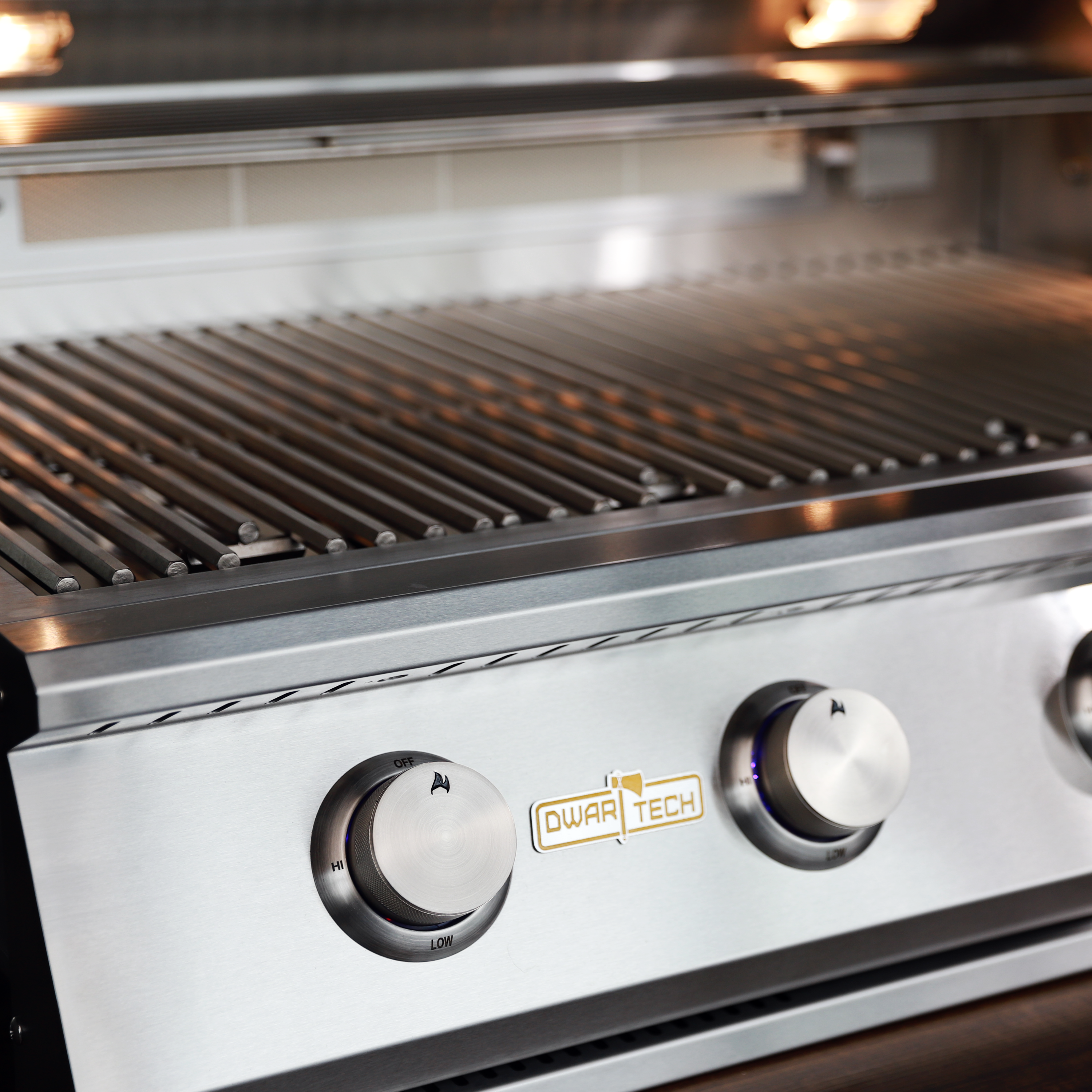
Outdoor cooking enthusiasts and hospitality professionals understand that investing in durable equipment delivers long-term value, particularly when exposed to harsh environmental conditions. A stainless steel outdoor grill represents the pinnacle of corrosion-resistant cooking equipment, combining material science excellence with practical engineering to withstand years of exposure to moisture, salt air, temperature fluctuations, and chemical residues. This remarkable resistance stems from the unique metallurgical properties of stainless steel alloys, which form a self-healing protective layer that actively defends against rust, oxidation, and structural degradation that destroys conventional grilling equipment within months or years.
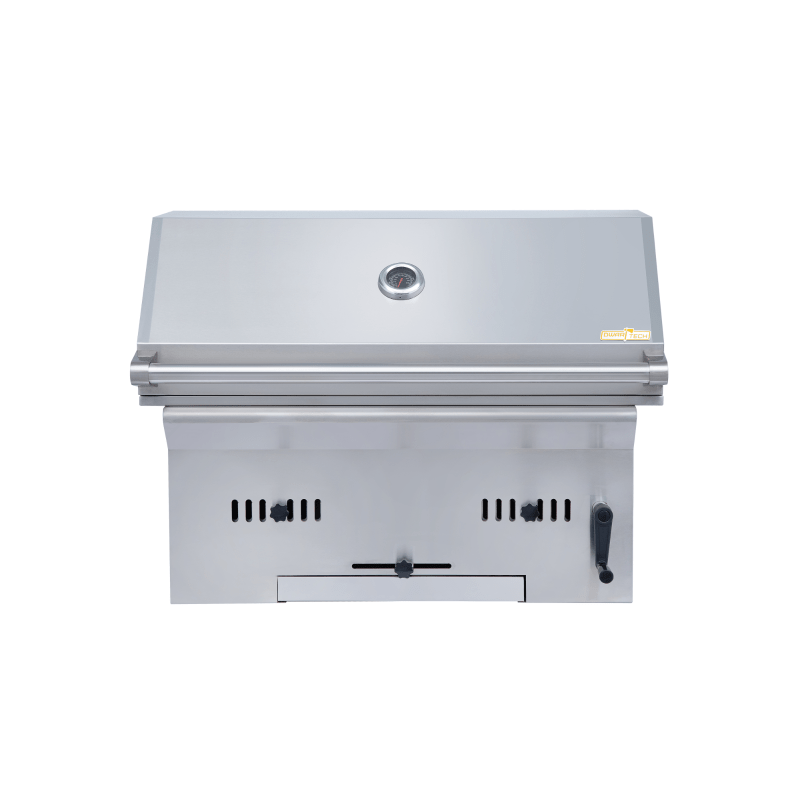
The selection of a stainless steel outdoor grill goes beyond aesthetic preference or initial cost considerations. This material choice fundamentally determines equipment lifespan, maintenance requirements, food safety standards, and total cost of ownership across operational lifecycles that may span decades rather than seasons. Understanding the specific mechanisms that make stainless steel superior for outdoor grilling applications empowers buyers to make informed decisions based on environmental exposure, usage intensity, and performance expectations rather than superficial marketing claims or short-term price advantages.
The Metallurgical Foundation of Corrosion Resistance
Chromium Oxide Passivation Layer Formation
The exceptional corrosion resistance of a stainless steel outdoor grill originates from chromium content within the alloy composition, typically ranging from 11 percent to 30 percent depending on grade specifications. When chromium-bearing stainless steel contacts atmospheric oxygen, a microscopically thin but remarkably dense chromium oxide layer spontaneously forms across all exposed surfaces. This passivation layer measures only nanometers in thickness yet creates an impermeable barrier that prevents oxygen and moisture from reaching the underlying iron content that would otherwise oxidize into rust.
This protective mechanism operates continuously and autonomously throughout the service life of the equipment. When surface scratches or abrasions disrupt the passivation layer, the chromium within the bulk material immediately reacts with available oxygen to regenerate the protective oxide film. This self-healing characteristic distinguishes stainless steel from painted or coated alternatives where surface damage exposes vulnerable substrate materials to progressive corrosion. The regenerative capacity ensures that a stainless steel outdoor grill maintains structural integrity even after years of cleaning, cooking residue removal, and physical wear that would compromise protective coatings on inferior materials.
Alloy Composition and Grade Selection Impact
Not all stainless steel grades deliver equivalent corrosion resistance, making alloy selection critically important for outdoor grilling applications. The 304-grade stainless steel, containing approximately 18 percent chromium and 8 percent nickel, represents the industry standard for food-contact surfaces and moderate-exposure outdoor equipment. This austenitic alloy provides excellent general corrosion resistance, superior formability for complex component manufacturing, and robust performance in most residential and light commercial environments.
For coastal installations or industrial settings with elevated chloride exposure, 316-grade stainless steel offers enhanced protection through molybdenum additions that improve resistance to pitting and crevice corrosion. The incremental material cost for 316-grade components proves justified when environmental conditions include salt spray, chemical cleaning agents, or aggressive atmospheric contaminants. A properly specified stainless steel outdoor grill constructed from appropriate alloy grades withstands decades of exposure that would reduce carbon steel alternatives to rust-compromised failures within single seasons.
Microstructural Stability Across Temperature Cycles
Outdoor grilling subjects equipment to extreme thermal cycling, with cooking surface temperatures exceeding 500 degrees Celsius during operation before cooling to ambient conditions between uses. These repetitive temperature fluctuations cause dimensional changes, thermal stress accumulation, and potential phase transformations in metallurgical structures. Austenitic stainless steel grades maintain stable crystal structures across this entire temperature range, preventing the grain boundary precipitations and phase separations that degrade mechanical properties and accelerate corrosion in less stable materials.
The thermal expansion characteristics of stainless steel remain predictable and manageable within grill design parameters, allowing engineers to accommodate dimensional changes without introducing stress concentrations or joint failures. This microstructural stability ensures that weld zones, forming operations, and fabrication details retain their corrosion resistance properties throughout years of thermal cycling. When purchasing a stainless steel outdoor grill, buyers benefit from this fundamental material science advantage that prevents the warping, cracking, and joint degradation common in mixed-material or lower-grade construction approaches.
Environmental Exposure Resistance Mechanisms
Moisture and Humidity Defense Systems
Atmospheric moisture represents the primary corrosion threat for outdoor cooking equipment, with humidity levels, precipitation exposure, and condensation cycles creating persistent wet conditions that accelerate oxidation reactions. The chromium oxide passivation layer on a stainless steel outdoor grill functions as an impermeable moisture barrier, preventing water molecules from reaching reactive iron sites within the alloy matrix. This barrier remains effective across humidity ranges from arid desert conditions to tropical marine environments, maintaining protection regardless of local climate characteristics.
Unlike painted or powder-coated surfaces that rely on coating continuity for protection, stainless steel corrosion resistance operates at the molecular level across the entire material thickness. Surface water beads and drains without penetrating the material structure, while the non-porous surface characteristics prevent capillary absorption that draws moisture into material voids. Even when equipment remains uncovered during extended periods of non-use, the inherent moisture resistance prevents the rust blooming and structural weakening that destroys conventional steel grills within months of outdoor storage.
Salt Air and Chloride Attack Prevention
Coastal environments and areas with winter de-icing salt application present severe corrosion challenges through chloride ion exposure that accelerates pitting and crevice corrosion in susceptible materials. Chloride ions penetrate protective oxide layers on ordinary metals, establishing localized electrochemical cells that rapidly propagate into deep pits compromising structural integrity. A properly specified stainless steel outdoor grill resists this chloride attack through its dense passivation layer and the buffering capacity provided by chromium and nickel content within the alloy composition.
The pitting resistance equivalent number, a metallurgical calculation based on chromium, molybdenum, and nitrogen content, quantifies an alloy's ability to withstand chloride-induced corrosion. Higher-grade stainless steels achieve PREN values exceeding 25, indicating exceptional resistance to localized corrosion even under continuous salt spray exposure. This resistance proves particularly valuable for beachfront restaurants, marine facilities, and residential installations within three kilometers of saltwater bodies where conventional equipment experiences accelerated deterioration regardless of maintenance diligence.
Chemical Residue and Cleaning Agent Compatibility
Outdoor grilling generates acidic combustion byproducts, fatty acid residues, and carbonaceous deposits that accumulate on cooking surfaces and structural components. Cleaning these residues requires chemical agents ranging from alkaline degreasers to acidic descalers that would attack less resistant materials. The chemical inertness of a stainless steel outdoor grill permits aggressive cleaning protocols without material degradation, maintaining both sanitation standards and structural integrity throughout equipment service life.
The austenitic crystal structure of premium stainless steel grades resists attack from organic acids, alkaline solutions, and most industrial cleaning chemicals within normal concentration and temperature ranges. This compatibility eliminates the maintenance dilemma faced with coated equipment where effective cleaning damages protective finishes, creating corrosion initiation sites that progressively expand. Regular chemical cleaning actually enhances stainless steel performance by removing surface contaminants that might otherwise shield localized areas from passivation layer regeneration.
Design Integration and Fabrication Quality Factors
Welding and Joint Integrity Considerations
The corrosion resistance of a stainless steel outdoor grill depends not only on base material selection but equally on fabrication quality, particularly welding procedures that join components into integrated assemblies. Improper welding techniques introduce heat-affected zones with altered microstructures, chromium depletion at grain boundaries, and residual stresses that create preferential corrosion pathways. Professional manufacturers employ controlled welding parameters, post-weld passivation treatments, and quality inspection protocols that ensure weld zones maintain corrosion resistance equivalent to base materials.
Advanced fabrication techniques including laser welding, TIG processes with controlled shielding gas compositions, and automated parameter monitoring produce consistent, high-integrity joints that eliminate the crevices and discontinuities where corrosion initiates. Post-fabrication electropolishing removes surface contamination and heat tint while enhancing the uniformity of the passivation layer across welded assemblies. These manufacturing quality factors distinguish premium stainless steel outdoor grill construction from budget alternatives where fabrication shortcuts compromise long-term durability despite using nominally similar materials.
Surface Finish Effects on Corrosion Performance
Surface finish specifications significantly influence both aesthetic appearance and functional corrosion resistance of stainless steel outdoor grill components. Rougher mill finishes with visible grinding or rolling marks create surface topography that retains contaminants, moisture, and cooking residues in microscopic valleys where localized corrosion may initiate. Conversely, smoother finishes achieved through mechanical polishing or electrochemical processing reduce surface area available for contamination adhesion while promoting rapid drainage of moisture and cleaning solutions.
The relationship between surface roughness and cleanability directly impacts maintenance requirements and long-term corrosion resistance. Highly polished surfaces resist bacterial adhesion, simplify residue removal, and maintain aesthetic appearance throughout extended service periods. A quality stainless steel outdoor grill incorporates appropriate surface finishes for each functional area, balancing corrosion resistance, cleaning ease, and manufacturing economy to deliver optimal lifecycle performance without unnecessary premium finishing where functional requirements don't justify the investment.
Drainage Design and Moisture Management
Even corrosion-resistant materials benefit from intelligent design features that minimize exposure duration and intensity. Strategic drainage provisions, surface sloping, and ventilation integration reduce moisture retention that would otherwise maintain wet conditions promoting contamination accumulation and accelerated wear. A thoughtfully engineered stainless steel outdoor grill incorporates these design elements to complement material corrosion resistance, creating synergistic protection that extends equipment lifespan beyond what material selection alone would achieve.
Critical design details include eliminating horizontal surfaces where water pools, providing drain holes at low points in enclosed structures, and ensuring adequate ventilation that promotes evaporative drying between use cycles. These features prevent the persistent wetness conditions that challenge even superior corrosion-resistant materials while reducing maintenance requirements and preserving aesthetic appearance. The integration of material science understanding with practical engineering judgment distinguishes professional equipment design from simple material substitution approaches.
Lifecycle Economics and Total Ownership Value
Initial Investment Versus Replacement Cost Analysis
The purchase price premium for a stainless steel outdoor grill compared to painted steel or cast iron alternatives initially appears substantial, often representing 50 to 150 percent cost increases depending on size, features, and construction quality. However, lifecycle economic analysis reveals that this initial investment delivers superior value through extended service life, reduced maintenance costs, and elimination of premature replacement expenses that accumulate rapidly with inferior equipment. A quality stainless steel outdoor grill commonly provides 15 to 25 years of reliable service compared to three to seven years for conventional alternatives in equivalent exposure conditions.
Replacement cost calculations must account not only for equipment purchase prices but also installation labor, disposal fees for failed units, operational downtime during equipment changes, and the compounding effects of multiple replacement cycles across facility lifecycles. When amortized across realistic service life expectations, the annualized cost of premium stainless steel construction often proves lower than budget alternatives despite higher initial acquisition costs. This economic reality proves particularly significant for commercial operations where equipment reliability directly impacts revenue generation and customer satisfaction.
Maintenance Cost Reduction and Labor Savings
Corrosion-resistant construction dramatically reduces ongoing maintenance requirements that consume labor hours, cleaning materials, and replacement component expenses throughout equipment service life. A stainless steel outdoor grill requires minimal preventive maintenance beyond routine cleaning and periodic inspection, while painted or coated alternatives demand frequent touch-up painting, rust removal, protective coating reapplication, and accelerated component replacement as corrosion compromises structural elements and functional mechanisms.
The maintenance labor savings prove particularly valuable in commercial operations where equipment downtime represents lost revenue opportunity and staff time allocated to maintenance diverts resources from productive activities. The simple cleaning protocols sufficient for stainless steel equipment eliminate the specialized skills and hazardous material handling associated with coating repair and rust remediation on conventional equipment. These operational advantages compound over equipment lifespans, creating total ownership cost differentials that overwhelmingly favor corrosion-resistant construction despite initial price premiums.
Residual Value and Asset Recovery Considerations
Premium construction materials maintain residual value at equipment end-of-life, providing asset recovery opportunities unavailable with corroded conventional equipment. A well-maintained stainless steel outdoor grill retains substantial resale value in used equipment markets, may be refurbished for continued service beyond initial ownership periods, and possesses scrap metal value significantly exceeding ferrous alternatives. These residual value considerations reduce net ownership costs while supporting sustainable equipment lifecycle management.
The material recyclability of stainless steel aligns with environmental responsibility objectives increasingly important to institutional buyers, hospitality operators, and environmentally conscious consumers. Stainless steel maintains its corrosion-resistant properties through unlimited recycling cycles without quality degradation, supporting circular economy principles that minimize resource extraction and manufacturing environmental impacts. This sustainability advantage enhances brand reputation and demonstrates corporate responsibility commitments beyond simple operational economics.
Performance Superiority in Demanding Applications
High-Volume Commercial Operation Durability
Commercial grilling operations subject equipment to usage intensities far exceeding residential applications, with continuous daily operation, aggressive cleaning protocols, and minimal maintenance intervals between service periods. A stainless steel outdoor grill withstands these demanding conditions through superior material durability that resists mechanical wear, thermal fatigue, and chemical attack from repeated cleaning cycles. The structural integrity maintains precise tolerances for adjustable components, sealing surfaces, and cooking grid positioning throughout years of intensive use.
The consistent performance characteristics across extended service periods prove critically important for quality-focused food service operations where temperature control, heat distribution uniformity, and cooking surface condition directly affect product quality and customer satisfaction. Unlike equipment that degrades progressively as corrosion weakens structures and deposits contaminate surfaces, properly maintained stainless steel outdoor grill units deliver consistent performance from initial installation through decades of commercial operation. This reliability justifies premium material investment for serious culinary professionals and high-volume commercial operators.
Extreme Climate and Environmental Adaptability
Geographic diversity creates dramatically different environmental challenges for outdoor cooking equipment, from arctic winter conditions with temperature extremes and freeze-thaw cycling to tropical environments with constant high humidity and aggressive biological growth. A stainless steel outdoor grill maintains performance integrity across this entire environmental spectrum, adapting to local conditions without material degradation or functional compromise. The temperature stability prevents brittle fracture in cold climates while the corrosion resistance controls deterioration in hot, humid conditions.
This environmental adaptability proves particularly valuable for equipment manufacturers and distributors serving diverse geographic markets, eliminating the need for region-specific product variations with different material specifications or protective treatments. The universal applicability of corrosion-resistant stainless steel construction simplifies inventory management, technical support, and warranty administration while ensuring consistent customer satisfaction regardless of installation location or climate characteristics.
Food Safety and Sanitation Compliance
Food contact surfaces must meet stringent sanitation standards that prevent bacterial contamination, chemical migration, and physical contamination from equipment degradation. The non-porous, chemically inert characteristics of a stainless steel outdoor grill fully comply with food safety regulations while supporting effective sanitation protocols. The smooth, easily cleaned surfaces resist bacterial adhesion and biofilm formation that would compromise food safety on rougher or chemically reactive materials.
Unlike coated or painted alternatives where surface degradation creates contamination concerns, stainless steel maintains food-safe characteristics throughout equipment service life without finish deterioration or material breakdown. This inherent safety advantage eliminates liability concerns and regulatory compliance challenges while supporting HACCP programs and quality management systems in professional food service operations. The material certification documentation available for premium stainless steel grades provides traceability and compliance verification increasingly demanded by institutional buyers and regulatory inspectors.
FAQ
How does stainless steel prevent rust formation better than painted steel grills?
Stainless steel prevents rust through a self-healing chromium oxide passivation layer that forms naturally on the surface and regenerates automatically when damaged, providing continuous protection at the molecular level. Painted steel relies on an applied coating that degrades over time, and once compromised through scratches or wear, exposes the underlying carbon steel to direct moisture and oxygen contact that rapidly produces rust. The chromium content in stainless steel creates a permanent barrier that functions throughout the material thickness, whereas paint provides only surface protection that fails progressively under outdoor exposure conditions.
What maintenance does a stainless steel outdoor grill require to maintain corrosion resistance?
A stainless steel outdoor grill requires only routine cleaning with appropriate detergents or degreasers to remove cooking residues, grease accumulation, and surface contaminants that might prevent passivation layer regeneration. Periodic inspection for damage and prompt repair of any compromised components maintains optimal performance. Avoid using steel wool or abrasive cleaners containing iron particles that can embed in the surface and cause discoloration. In coastal environments, more frequent cleaning removes salt deposits before they concentrate sufficiently to challenge the corrosion resistance, but no special protective coatings or rust treatments are necessary.
Can stainless steel outdoor grills withstand winter storage without deterioration?
Yes, stainless steel outdoor grills withstand winter storage and year-round outdoor exposure without significant deterioration due to the inherent corrosion resistance of the material. While protective covers reduce cleaning requirements by preventing debris accumulation, the underlying stainless steel structure resists moisture, temperature cycling, and freeze-thaw damage that would destroy conventional equipment. For optimal longevity, clean the grill thoroughly before extended storage periods to remove any acidic residues or salt contamination, ensure drainage holes remain clear to prevent water accumulation, and verify that moving parts receive appropriate lubrication to maintain mechanical function.
Is the corrosion resistance the same across all stainless steel grill components?
Corrosion resistance varies depending on the specific stainless steel grade used for different components, with manufacturers often using 304-grade stainless for most structural elements and cooking surfaces while specifying 316-grade or higher for components with extreme exposure or higher performance requirements. Hardware items like fasteners, hinges, and control mechanisms may use different stainless grades optimized for mechanical properties rather than maximum corrosion resistance. Quality manufacturers provide material specifications and grade certifications for critical components, allowing buyers to verify that appropriate alloys are used throughout the assembly. Understanding these material variations helps set realistic expectations for different component longevity and guides replacement part selection when service becomes necessary.
Table of Contents
- The Metallurgical Foundation of Corrosion Resistance
- Environmental Exposure Resistance Mechanisms
- Design Integration and Fabrication Quality Factors
- Lifecycle Economics and Total Ownership Value
- Performance Superiority in Demanding Applications
-
FAQ
- How does stainless steel prevent rust formation better than painted steel grills?
- What maintenance does a stainless steel outdoor grill require to maintain corrosion resistance?
- Can stainless steel outdoor grills withstand winter storage without deterioration?
- Is the corrosion resistance the same across all stainless steel grill components?