
 EN
EN



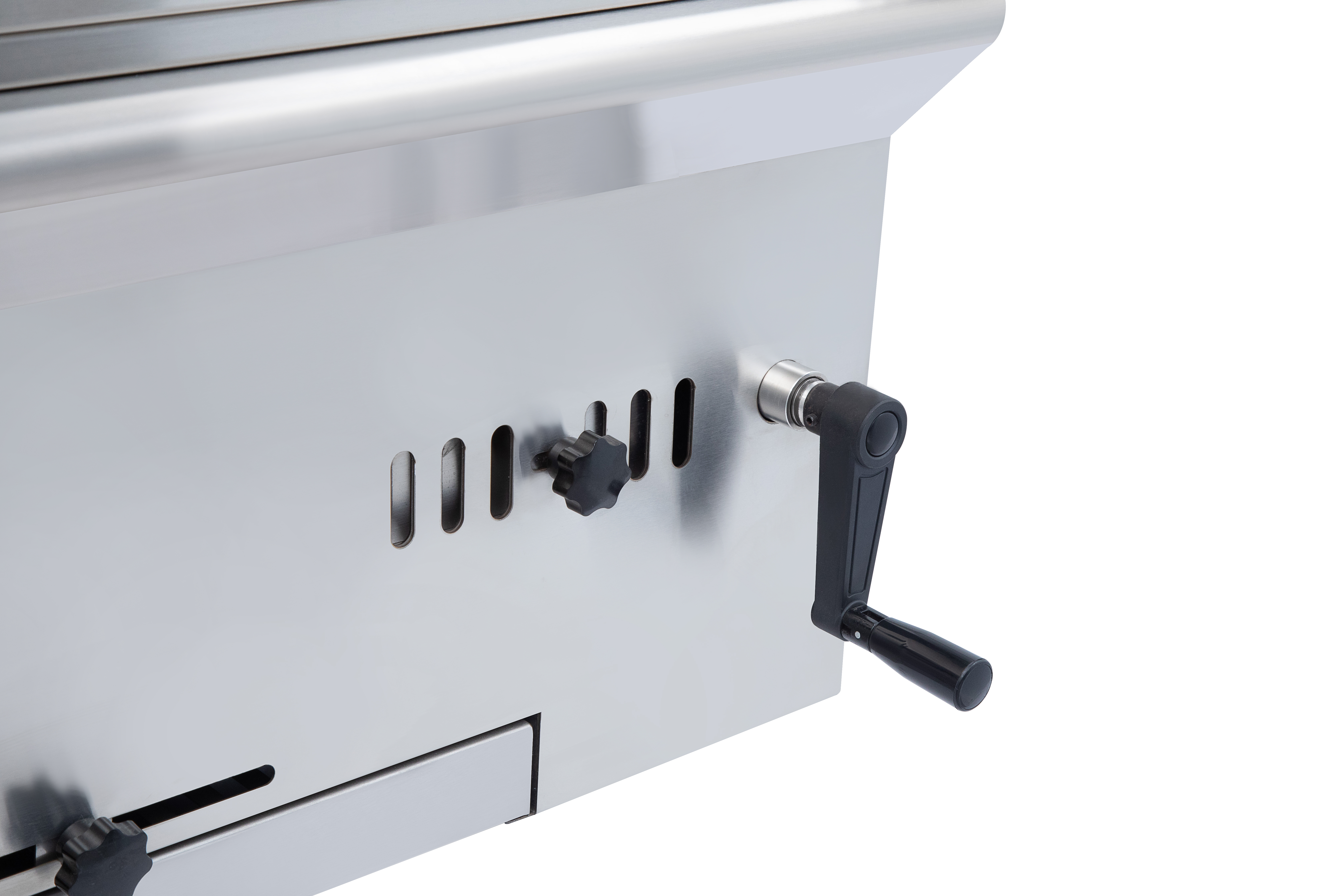
Outdoor grilling near saltwater pools presents a unique challenge that many homeowners and hospitality professionals underestimate until corrosion becomes visible. The combination of chlorinated water vapor, salt spray from nearby ocean environments, and moisture-laden air creates an aggressive corrosive environment that can rapidly degrade inferior grill materials. A stainless steel outdoor grill designed for these demanding conditions relies on specific metallurgical properties, protective surface treatments, and thoughtful engineering to maintain structural integrity and aesthetic appeal over years of exposure. Understanding the science behind rust resistance helps buyers make informed decisions when selecting grilling equipment for coastal properties, resort installations, or residential poolside entertainment areas.
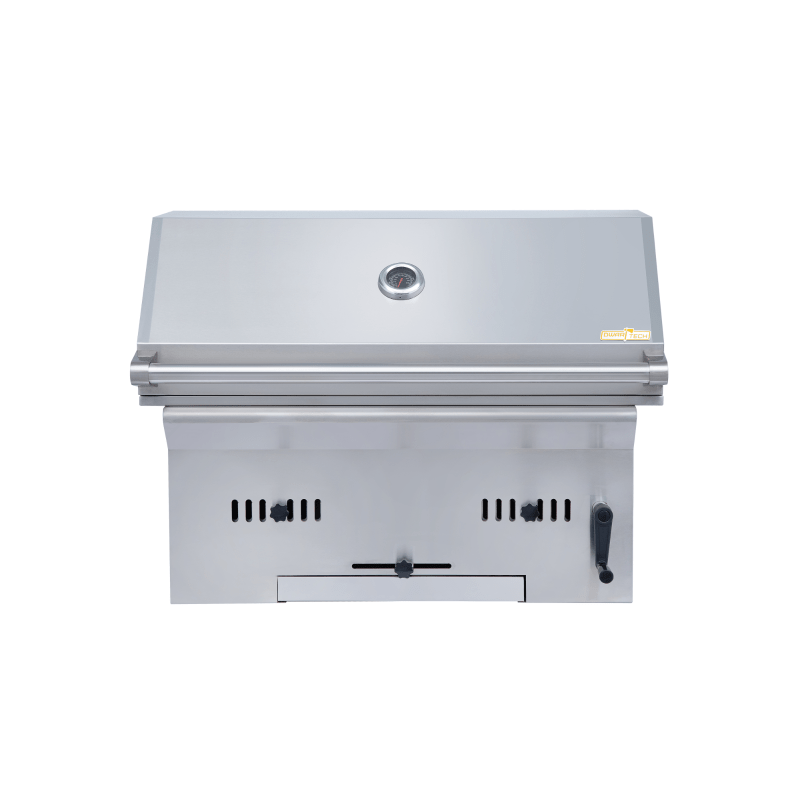
The rust-resistant properties of a properly specified stainless steel outdoor grill stem from the chromium content within the alloy, which forms a passive oxide layer that continuously regenerates when exposed to oxygen. This invisible protective film measures only a few atoms thick yet provides exceptional barrier protection against moisture infiltration and electrochemical corrosion. However, not all stainless steel grades perform equally in saltwater environments, and the distinction between 304 and 430 series alloys becomes critical when proximity to pools introduces chloride ions that can penetrate weaker passive layers. Premium outdoor grills utilize 304-grade stainless steel with higher nickel content, delivering superior pitting resistance and long-term durability compared to lower-grade alternatives that may corrode within months of installation near saltwater exposure zones.
The Metallurgical Foundation of Corrosion Resistance in Poolside Environments
Chromium Content and Passive Layer Formation
The fundamental rust resistance of any stainless steel outdoor grill originates from chromium, which must constitute at least 10.5 percent of the alloy composition to qualify as stainless steel. When chromium atoms at the metal surface interact with atmospheric oxygen, they form chromium oxide rather than iron oxide, creating a transparent protective barrier that prevents deeper oxidation. This passive layer exhibits self-healing properties, meaning that scratches or abrasions automatically regenerate the protective film when fresh chromium is exposed to oxygen. In saltwater pool environments where chloride ions aggressively attack metal surfaces, higher chromium percentages provide enhanced protection by maintaining thicker and more stable passive layers that resist localized breakdown.
Quality manufacturers of stainless steel outdoor grill equipment specify 18 percent chromium content as the baseline for poolside installations, recognizing that lower percentages prove insufficient against sustained chloride exposure. The passive layer thickness and stability increase proportionally with chromium concentration up to approximately 26 percent, beyond which additional chromium provides diminishing protective returns. Poolside conditions particularly challenge passive layer integrity because chlorinated water droplets dry on metal surfaces, leaving concentrated chloride deposits that create localized corrosion cells. A robust passive layer with adequate chromium backing resists these localized attacks, whereas thinner layers on lower-grade alloys permit pitting corrosion to initiate at weak points.
Nickel Addition for Enhanced Chloride Resistance
While chromium provides the foundational passive layer, nickel content distinguishes premium stainless steel outdoor grill construction from economy alternatives. Nickel alloying transforms the metallurgical structure from ferritic to austenitic, creating a face-centered cubic crystal arrangement that exhibits superior ductility, formability, and critically, resistance to chloride-induced stress corrosion cracking. The 304-grade stainless steel specification includes 8 to 10.5 percent nickel, delivering substantially improved performance in saltwater environments compared to nickel-free 400-series ferritic grades commonly used in budget outdoor cooking equipment.
The protective mechanism of nickel extends beyond crystal structure modification to include electrochemical stabilization of the passive layer. Nickel atoms within the alloy matrix reduce the corrosion current density at vulnerable grain boundaries where chloride ions preferentially attack. For a stainless steel outdoor grill positioned within ten feet of a saltwater pool, this electrochemical stabilization becomes essential as airborne salt particles settle on all horizontal surfaces daily. Independent corrosion testing demonstrates that 304-grade stainless steel maintains passive layer integrity in 3.5 percent sodium chloride solutions for over 1000 hours without visible pitting, while 430-grade ferritic steel shows surface degradation within 72 hours under identical conditions.
Molybdenum Enhancement for Extreme Coastal Exposures
When a stainless steel outdoor grill must withstand direct ocean spray in addition to pool chemicals, molybdenum additions provide an extra margin of corrosion protection. The 316-grade stainless steel specification incorporates 2 to 3 percent molybdenum, creating what metallurgists term superaustenitic properties with exceptional resistance to pitting and crevice corrosion. Molybdenum atoms segregate to the metal-solution interface, enriching the passive layer and significantly increasing the critical pitting potential—the electrical voltage at which localized corrosion initiates. This enhancement proves particularly valuable for grills installed on beachfront properties where chloride concentrations in airborne moisture exceed typical pool environments by an order of magnitude.
The incremental cost of molybdenum-bearing 316-grade construction typically represents 15 to 25 percent premium over standard 304-grade stainless steel outdoor grill fabrication. Property managers and homeowners in direct coastal zones find this investment worthwhile as equipment service life extends from approximately 8 years to over 15 years before requiring replacement. The molybdenum content also provides benefits during cleaning and maintenance, as the enhanced passive layer tolerates aggressive chemical cleaners and chlorine-based sanitizers without surface degradation that would compromise long-term corrosion resistance.
Surface Finish Engineering for Poolside Performance
Electropolishing and Passive Layer Optimization
Beyond base alloy selection, the surface finish applied to a stainless steel outdoor grill dramatically influences rust resistance in saltwater environments. Electropolishing removes surface impurities and microscopic irregularities through controlled anodic dissolution, creating an exceptionally smooth finish that minimizes sites where corrosion can initiate. This electrochemical process preferentially removes iron from the surface layer while leaving chromium enriched, resulting in a thicker and more uniform passive layer compared to mechanically finished surfaces. For poolside installations where water droplets repeatedly wet and dry on grill surfaces, the reduced surface roughness prevents chloride concentration in microscopic crevices where localized corrosion typically begins.
The electropolishing process for premium stainless steel outdoor grill components involves immersion in a temperature-controlled phosphoric acid electrolyte while applying precise current density. This treatment removes 5 to 25 microns of surface material, eliminating embedded contaminants from fabrication processes such as welding scale, grinding particles, and iron contamination from tooling contact. The resulting chromium-enriched surface layer contains up to 50 percent more chromium than the bulk alloy composition, providing exceptional resistance to the repeated wetting cycles characteristic of poolside environments. Independent testing shows electropolished 304 stainless steel maintains visual appearance without staining for over five years in direct saltwater spray conditions, while mechanically finished equivalents show tea staining within six months.
Passivation Treatment for Weld Zone Protection
Welding operations during stainless steel outdoor grill fabrication create heat-affected zones where the protective chromium oxide layer becomes temporarily compromised. The high temperatures of welding cause chromium carbide precipitation at grain boundaries, depleting adjacent areas of dissolved chromium and creating preferential corrosion paths. Professional-grade outdoor cooking equipment undergoes passivation treatment after fabrication, using nitric acid or citric acid solutions to chemically dissolve free iron and restore the passive layer across all surfaces including weld seams. This post-fabrication treatment proves essential for poolside grills because untreated welds corrode preferentially, creating rust stains that migrate across surrounding surfaces.
The passivation chemistry removes embedded iron particles without attacking the underlying chromium-rich base metal, effectively resetting the passive layer to optimal thickness and composition. For a stainless steel outdoor grill constructed from 304-grade material, proper passivation treatment increases the chromium-to-iron ratio at the surface from approximately 1.8:1 to over 3:1, substantially improving chloride resistance. Manufacturers serving the hospitality and marine markets typically specify dual-stage passivation involving both nitric acid treatment and subsequent citric acid neutralization to ensure complete surface preparation. This attention to post-fabrication surface treatment distinguishes professional-grade equipment from consumer products that may skip passivation to reduce manufacturing costs.
Grain Structure and Surface Defect Elimination
The metallurgical grain structure of stainless steel outdoor grill surfaces influences corrosion resistance through its effect on passive layer uniformity and stability. Cold working operations such as stamping, bending, and forming create residual stresses and grain elongation that make certain surface regions more electrochemically active than surrounding material. Premium manufacturers incorporate solution annealing heat treatment after forming operations, heating components to 1900-2050°F and rapidly cooling to restore uniform austenitic grain structure. This thermal treatment eliminates residual stresses and ensures consistent chromium distribution throughout the material thickness, preventing preferential corrosion at formed features such as drip edges, cooking grate supports, and door frame bends.
Surface defects including grinding marks, tool marks, and abrasion scratches create microscopic crevices where chloride ions concentrate and initiate pitting corrosion. A properly finished stainless steel outdoor grill receives progressive abrasive treatment starting with coarse grit removal of fabrication marks, followed by finer abrasive steps to achieve uniform surface texture. The final surface finish for poolside applications typically specifies 180 to 240 grit equivalent, providing sufficient smoothness to minimize corrosion initiation sites while maintaining adequate texture for subsequent passivation or electropolishing treatments. Manufacturers targeting coastal markets often specify unidirectional grain patterns rather than random orbital finishes, as parallel grain lines drain water more effectively and reduce the dwell time of chloride-containing droplets on horizontal surfaces.
Design Features That Minimize Corrosion Risk Near Saltwater Pools
Drainage and Water Management Engineering
Even the most corrosion-resistant stainless steel outdoor grill materials will eventually degrade if design features allow water accumulation in crevices and enclosed spaces. Professional-grade poolside grills incorporate comprehensive drainage provisions including sloped surfaces that direct water runoff away from critical components, drain holes positioned at low points to evacuate trapped moisture, and open-frame construction that promotes air circulation around all surfaces. These design elements prove particularly important in saltwater pool environments where each wetting cycle deposits additional chloride contamination that concentrates as water evaporates. Grills with inadequate drainage develop chronic moisture exposure at fastener locations, folded seams, and underneath component interfaces where crevice corrosion initiates despite premium material specifications.
The engineering of effective drainage begins with component orientation and surface slope design. Horizontal surfaces on a stainless steel outdoor grill should incorporate minimum 2-degree slopes toward designated drain paths, ensuring that morning dew and pool splash do not pond on flat areas. Enclosed cavities such as control panels and utility compartments require strategic drain hole placement at corners and low points, sized adequately to prevent blockage from debris while allowing rapid moisture evacuation. Advanced designs incorporate raised mounting bosses and standoff features that elevate fasteners above adjacent surfaces, creating air gaps that break capillary moisture wicking paths and ensure that fastener threads remain dry between rain events or pool splashing incidents.
Fastener Material Compatibility and Galvanic Protection
Corrosion resistance of a stainless steel outdoor grill depends not only on primary structural materials but also on careful selection of fasteners, brackets, and hardware that maintain compatibility throughout the assembly. Dissimilar metal contact in saltwater environments creates galvanic cells where the more active metal corrodes preferentially while protecting the noble metal. Using carbon steel fasteners in stainless steel assemblies proves particularly problematic near pools, as the steel hardware rapidly corrodes while staining surrounding stainless surfaces with iron oxide runoff. Professional specifications require all fasteners, washers, clips, and hardware to match or exceed the base material grade, typically specifying 304 or 316 stainless steel fasteners for corresponding grill body construction.
Beyond material matching, proper fastener installation practices prevent crevice corrosion at threaded connections and bolted interfaces. Premium stainless steel outdoor grill assemblies incorporate marine-grade anti-seize compounds on all threaded fasteners, creating a moisture barrier that prevents chloride intrusion into thread engagement zones. The anti-seize formulation typically contains nickel or copper particles suspended in synthetic grease, providing both lubrication for future disassembly and electrochemical buffering that minimizes galvanic potential differences. Manufacturers serving coastal markets additionally specify minimum thread engagement standards and prohibit fastener penetration into enclosed cavities where moisture might accumulate around protruding bolt ends.
Component Isolation and Maintenance Accessibility
Sophisticated stainless steel outdoor grill designs for saltwater pool environments incorporate isolation strategies that separate vulnerable components from direct exposure while maintaining functional integration. Electrical components, gas valves, and ignition systems receive protective enclosures with sealed gaskets and drainage provisions that shield sensitive elements from salt spray while allowing necessary ventilation. These isolation strategies acknowledge that even corrosion-resistant construction requires defense-in-depth approaches when facing sustained chloride exposure. The protective enclosures utilize overlapping seam designs and labyrinth paths that exclude direct water intrusion while permitting pressure equalization and preventing condensation accumulation.
Maintenance accessibility proves equally critical for long-term corrosion resistance, as poolside grills require more frequent cleaning and inspection than units in protected environments. Thoughtful design provides removable panels for internal inspection, accessible fasteners that permit component removal without disassembling entire assemblies, and clearly marked drainage holes that maintenance personnel can verify remain unobstructed. A well-engineered stainless steel outdoor grill for coastal installation includes detailed maintenance documentation specifying monthly rinse-down procedures, quarterly deep cleaning protocols, and annual inspection points. This maintenance-centered design philosophy recognizes that even premium materials require proper care to achieve designed service life in aggressive corrosion environments.
Protective Coatings and Secondary Barrier Systems
Ceramic and Polymer Coating Applications
While high-grade stainless steel outdoor grill construction provides excellent intrinsic corrosion resistance, selected components benefit from additional protective coatings that extend service life in extreme saltwater exposure. Cooking grates particularly benefit from ceramic-based coatings that create physical barriers preventing food acids and salt from contacting base metal, while maintaining the non-stick properties and heat distribution characteristics essential for grilling performance. These coatings utilize sol-gel technology or plasma-spray application methods to achieve bond strengths that withstand thermal cycling from ambient to over 700°F without delamination or cracking. The ceramic barrier layer measures 30 to 100 microns thick, providing chemical isolation while adding negligible weight or thickness to component dimensions.
External cabinet surfaces on some premium stainless steel outdoor grill models incorporate clear polymer coatings that enhance the passive oxide layer without altering the metallic appearance. These fluoropolymer or polysiloxane treatments create hydrophobic surfaces that shed water rapidly, reducing the dwell time of chloride-containing droplets and minimizing the cumulative salt loading that drives localized corrosion. The coatings require ultraviolet stabilization to prevent degradation from sun exposure in outdoor installations, typically incorporating titanium dioxide or organic UV absorbers that maintain protective properties for five to seven years before requiring reapplication. While these secondary barriers add cost and complexity, they provide measurable service life extension in direct coastal environments where saltwater spray occurs daily.
Sacrificial Anode Integration for Cathodic Protection
Some engineered stainless steel outdoor grill systems for extreme marine environments incorporate active cathodic protection using sacrificial zinc or aluminum anodes strategically positioned within the structure. This electrochemical protection method, borrowed from marine vessel technology, establishes the stainless steel components as the cathode in a galvanic cell while the more active anode metal corrodes preferentially. The sacrificial anode continuously supplies electrons to the stainless steel surfaces, maintaining them in a protected electrochemical state that prevents corrosion initiation even when the passive layer sustains damage. For poolside grills in direct ocean spray zones, small zinc anodes mounted inside enclosed cavities provide supplemental protection to internal surfaces that cleaning procedures cannot easily reach.
The effectiveness of cathodic protection depends on proper anode sizing, positioning, and periodic replacement as the sacrificial material depletes through oxidation. Professional-grade installations calculate required anode mass based on protected surface area and expected current demand in the specific corrosion environment. A typical stainless steel outdoor grill installation might incorporate 200 to 400 grams of zinc alloy distributed among three to four anode locations, providing approximately two to three years of protection before replacement becomes necessary. Maintenance protocols include annual anode inspection and dimensional measurement to ensure adequate remaining material. While sacrificial anode systems add initial cost and maintenance requirements, they provide insurance against corrosion damage during periods when routine cleaning might be deferred or when unexpected environmental conditions create temporarily elevated corrosion rates.
Barrier Wax and Temporary Protection Methods
Between deep cleaning cycles, stainless steel outdoor grill surfaces benefit from temporary barrier protection using specialized wax or oil formulations designed for marine environments. These products create renewable hydrophobic films that repel water and prevent chloride deposition on metal surfaces, functioning as supplemental protection that extends time between required maintenance interventions. Marine-grade stainless steel wax formulations typically contain carnauba or synthetic wax bases blended with corrosion inhibitors such as vapor phase compounds that provide active protection even in microscopic surface irregularities. Application every three to six months maintains continuous barrier protection that significantly reduces cleaning frequency while preserving the aesthetic appearance of exterior surfaces.
The application technique for protective wax coatings influences effectiveness and durability. Proper protocol requires thorough cleaning and degreasing of all stainless steel outdoor grill surfaces before wax application, ensuring that the protective film bonds directly to clean metal rather than trapping contaminants beneath the barrier layer. Thin, uniform application using clean microfiber applicators provides optimal results, with excess product buffed away to prevent buildup in crevices and corners. The wax layer measures only a few microns thick yet provides measurable reduction in corrosion rates by limiting oxygen and moisture access to underlying metal surfaces. In poolside environments, protective wax applications prove particularly valuable on vertical and overhead surfaces where water drainage naturally limits salt accumulation but where airborne chloride particles still deposit during pool use and wind events.
Maintenance Protocols for Sustained Corrosion Resistance
Regular Rinse-Down Procedures and Salt Removal
Even the most corrosion-resistant stainless steel outdoor grill requires systematic maintenance to achieve designed service life in saltwater pool environments. The fundamental maintenance procedure involves regular freshwater rinse-down to remove salt deposits before they concentrate through evaporation cycles. Professional maintenance protocols specify weekly rinse procedures using low-pressure freshwater applied to all exposed surfaces, with particular attention to horizontal surfaces, recessed areas, and underneath overhanging features where salt accumulates preferentially. The rinse-down procedure takes approximately ten minutes per grill unit but prevents the cumulative salt loading that eventually overwhelms even premium passive oxide protection.
The effectiveness of rinse maintenance depends on water volume and coverage rather than pressure, as high-pressure washing can damage gaskets and force water into sealed compartments. A standard garden hose with adjustable nozzle provides adequate flow for salt removal without risking component damage. Timing the rinse-down procedure proves important, with evening or early morning applications preferred to avoid thermal shock when cold water contacts sun-heated stainless steel outdoor grill surfaces. The rinse water should sheet off clean metal surfaces without beading, indicating that protective wax coatings remain intact. If water beads excessively or leaves spotting, the surface requires deep cleaning and potential re-waxing to restore proper hydrophobic properties.
Chemical Cleaning and Passive Layer Restoration
Quarterly deep cleaning of stainless steel outdoor grill equipment removes accumulated contamination that regular rinse procedures cannot address, including heat discoloration, food residue embedding, and incipient corrosion products. Specialized stainless steel cleaners formulated for marine environments incorporate chelating agents and mild acids that dissolve iron contamination and restore passive layer integrity without attacking the base chromium oxide protection. These cleaning formulations typically contain phosphoric acid or citric acid at 5 to 10 percent concentration, buffered to pH levels that clean effectively while remaining safe for repeated use on austenitic stainless steel. The cleaning procedure involves spray application, brief dwell time to allow chemical action, mechanical agitation with non-metallic scrub pads, and thorough freshwater rinsing to remove all cleaner residue.
Post-cleaning inspection provides opportunity to identify early-stage corrosion that requires intervention before structural damage occurs. Close examination of weld zones, fastener locations, and folded seams reveals tea staining or surface discoloration indicating passive layer compromise. These areas receive localized treatment with passivation cleaners containing higher acid concentrations or supplemental abrasive action to remove surface contamination and re-establish chromium enrichment. For a properly maintained stainless steel outdoor grill in poolside service, quarterly deep cleaning prevents the progression from surface staining to pitting corrosion, effectively resetting the corrosion clock and extending equipment life indefinitely with proper technique. Maintenance records documenting cleaning dates and any observed corrosion provide valuable trend data for adjusting maintenance frequency based on actual environmental severity.
Component Inspection and Preventive Replacement
Annual comprehensive inspection of stainless steel outdoor grill assemblies identifies wear patterns, corrosion progression, and components approaching end of service life. This inspection protocol examines not only visible exterior surfaces but also internal cavities, sealed compartments, and structural connections that remain hidden during routine use. Fastener inspection includes torque verification to ensure proper clamping force maintains crevice sealing, visual examination for thread corrosion or galling, and replacement of any hardware showing surface degradation. Gaskets and seals receive particular attention, as these polymer components deteriorate from ultraviolet exposure and thermal cycling faster than metallic structures, potentially compromising the water exclusion that protects internal components.
The preventive replacement philosophy recognizes that certain stainless steel outdoor grill components operate as consumables in saltwater environments, requiring periodic renewal to maintain overall system integrity. Cooking grates exposed to repeated thermal shock and food acids typically require replacement every three to five years even with proper maintenance. Control knobs, handles, and trim pieces manufactured from lower-grade materials or incorporating polymer components may need replacement on a similar schedule. Professional maintenance programs budget for these planned component replacements rather than waiting for failure, preventing situations where corroded fasteners cannot be removed or where failed gaskets allow water intrusion that damages more expensive assemblies. This proactive approach proves more cost-effective than reactive repair while maximizing the functional availability of grilling equipment essential to hospitality operations or valued residential amenities.
FAQ
How long should a quality stainless steel outdoor grill last near a saltwater pool?
A properly specified stainless steel outdoor grill constructed from 304-grade or higher material should provide 10 to 15 years of service in typical saltwater pool environments with appropriate maintenance. Service life depends critically on maintenance consistency, with units receiving weekly freshwater rinse-downs and quarterly deep cleaning achieving the upper end of this range. Direct ocean spray environments may reduce service life to 8 to 12 years even with premium materials, while protected poolside locations away from prevailing winds may extend equipment life beyond 15 years. The difference between 304 and 316 grade stainless steel typically translates to approximately 30 percent service life extension in high-chloride environments, justifying the additional material cost for permanent installations in coastal properties.
Can you prevent rust on stainless steel grills if you cover them when not in use?
Protective covers provide measurable corrosion reduction for stainless steel outdoor grill equipment, but only if properly designed and correctly used. Standard vinyl or polyester covers trap moisture against metal surfaces, potentially accelerating corrosion rather than preventing it, particularly in humid coastal environments where condensation forms overnight. Marine-grade breathable covers manufactured from solution-dyed acrylic or polyester with ventilation panels prove more effective, allowing moisture vapor escape while excluding direct rain and salt spray. However, covers alone cannot substitute for regular maintenance, as salt deposits accumulate underneath covers during pool use periods and require freshwater rinsing regardless of cover use. Optimal protection combines daily covering when grills are not actively used with weekly uncovering for rinse maintenance and thorough drying before re-covering.
What cleaning products should be avoided on stainless steel grills near saltwater?
Chlorine-based cleaners, abrasive powders containing embedded metal particles, and steel wool pads can damage the passive oxide layer protecting stainless steel outdoor grill surfaces. Chlorine bleach proves particularly problematic near pools, as it concentrates chloride ions on metal surfaces and can initiate pitting corrosion at existing micro-defects. Abrasive cleaners containing aluminum oxide or silicon carbide embed metal particles into stainless steel surfaces, creating galvanic cells that promote localized corrosion. Steel wool and carbon steel wire brushes deposit iron particles that rust rapidly and stain surrounding stainless surfaces. Recommended cleaning tools include nylon or natural fiber brushes, microfiber cloths, and non-metallic abrasive pads specifically formulated for stainless steel. Cleaning chemistry should emphasize citric acid or phosphoric acid formulations rather than hydrochloric acid or chlorine-based products.
Does the gauge thickness of stainless steel affect rust resistance in coastal environments?
Material gauge or thickness does not directly affect the intrinsic corrosion resistance of stainless steel outdoor grill construction, as the passive chromium oxide layer forms identically on both thick and thin material of the same alloy grade. However, thicker gauge material provides greater corrosion allowance, meaning that any pitting or general corrosion must progress through more material depth before structural compromise occurs. Premium grills specify 14-gauge or 12-gauge stainless steel for primary structural components, compared to 18-gauge or 20-gauge material in economy units. This thickness difference translates to approximately 100 percent greater corrosion allowance, effectively doubling the time before pitting corrosion penetrates through material thickness. Additionally, heavier gauge construction provides superior dimensional stability and reduced flexing at fastener locations, minimizing crevice opening and closing cycles that accelerate crevice corrosion in high-chloride environments.
Table of Contents
- The Metallurgical Foundation of Corrosion Resistance in Poolside Environments
- Surface Finish Engineering for Poolside Performance
- Design Features That Minimize Corrosion Risk Near Saltwater Pools
- Protective Coatings and Secondary Barrier Systems
- Maintenance Protocols for Sustained Corrosion Resistance
-
FAQ
- How long should a quality stainless steel outdoor grill last near a saltwater pool?
- Can you prevent rust on stainless steel grills if you cover them when not in use?
- What cleaning products should be avoided on stainless steel grills near saltwater?
- Does the gauge thickness of stainless steel affect rust resistance in coastal environments?