
 EN
EN



Selecting the right barbecue grill can transform your outdoor cooking experience and significantly impact the flavors you create. With numerous BBQ grill types available in today's market, understanding the fundamental differences between gas, charcoal, and pellet options becomes essential for making an informed decision. Each grilling method offers distinct advantages, cooking characteristics, and maintenance requirements that cater to different lifestyles and culinary preferences. Whether you're a weekend warrior seeking convenience or a passionate pitmaster chasing authentic smoky flavors, the choice between BBQ grill types will ultimately shape your outdoor cooking journey for years to come.
Understanding Gas Grill Fundamentals
Core Components and Operation
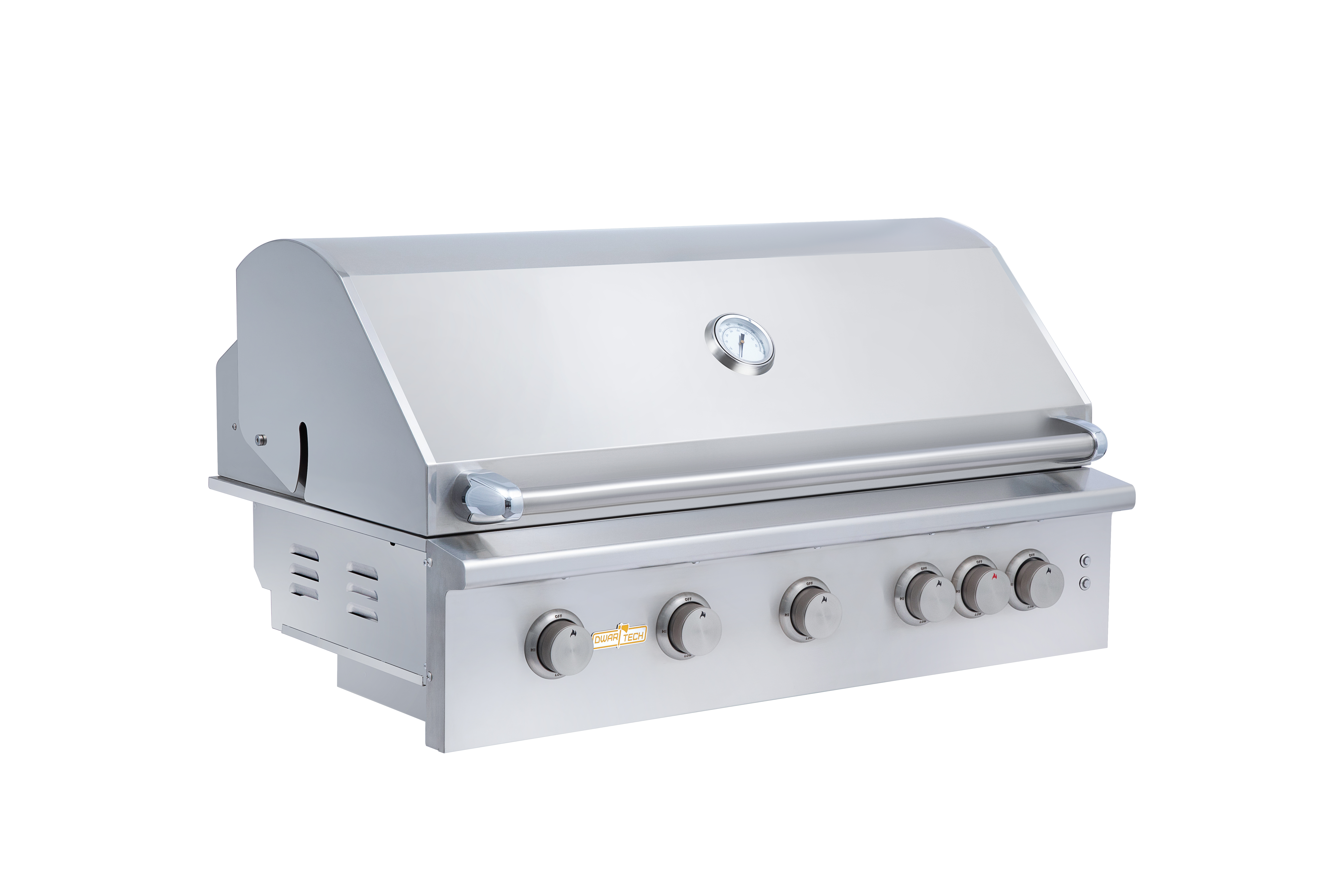
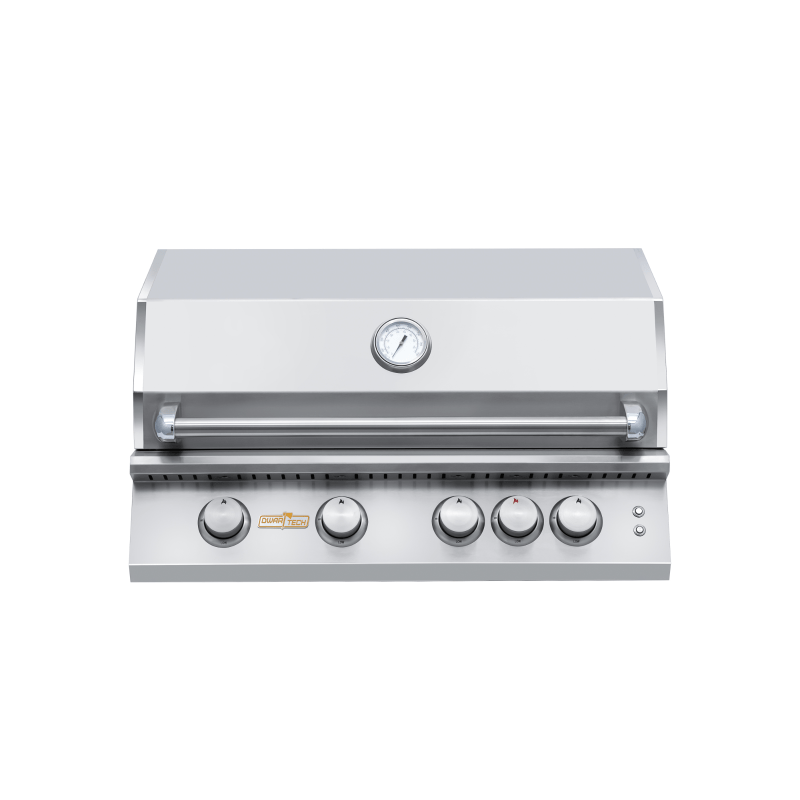
Gas grills represent the most popular category among modern BBQ grill types, primarily due to their user-friendly operation and consistent heat control. These units typically utilize either propane tanks or natural gas connections to fuel multiple burners beneath cooking grates. The combustion system creates instant heat that can be precisely adjusted through individual burner controls, allowing for multi-zone cooking techniques. Most gas models feature electronic ignition systems that eliminate the need for matches or lighters, making startup procedures remarkably straightforward.
The heat distribution in gas grills occurs through various methods, including direct flame contact, radiant heat from flavorizer bars, or ceramic briquettes that help distribute temperature evenly across the cooking surface. Premium gas grill models often incorporate advanced features such as rotisserie attachments, side burners, and integrated thermometers that enhance cooking versatility. Understanding these fundamental components helps users maximize their gas grill's potential while maintaining optimal performance throughout its operational lifespan.
Performance Characteristics and Benefits
When comparing BBQ grill types, gas models excel in convenience and temperature control precision. The ability to achieve desired cooking temperatures within minutes makes gas grills particularly attractive for busy households or impromptu cooking sessions. Heat adjustment occurs instantaneously through burner controls, enabling cooks to respond quickly to changing food requirements or weather conditions. This responsive nature makes gas grills excellent for delicate items like fish or vegetables that require careful temperature management.
Gas grills also offer superior consistency in cooking results, as the controlled flame eliminates variables associated with fuel combustion rates or environmental factors. The clean-burning nature of propane or natural gas produces minimal ash or residue, simplifying post-cooking cleanup procedures. Additionally, many gas models feature multiple cooking zones that allow simultaneous preparation of different foods at varying temperature levels, maximizing efficiency during larger gatherings or meal preparation sessions.
Exploring Charcoal Grilling Excellence
Traditional Cooking Methods
Charcoal grills represent the most traditional approach among BBQ grill types, offering an authentic grilling experience that many enthusiasts consider irreplaceable. These units rely on charcoal briquettes or lump charcoal as primary fuel sources, creating high-temperature cooking environments through combustion processes that impart distinctive smoky flavors. The lighting procedure typically involves arranging charcoal in specific patterns, using starter fluids or chimney starters, and waiting for coals to reach optimal cooking temperatures.
The cooking process with charcoal grills requires more hands-on management compared to other BBQ grill types, as heat levels fluctuate based on coal arrangement, airflow adjustment, and fuel consumption rates. Experienced grillers develop techniques for creating different heat zones by positioning coals strategically, enabling both direct high-heat searing and indirect low-temperature cooking within the same session. This manual approach appeals to cooking purists who appreciate the skill development and active engagement required for mastering charcoal grilling techniques.
Flavor Development and Heat Characteristics
Among various BBQ grill types, charcoal models produce the most pronounced flavor enhancement through natural smoke generation during the combustion process. The high temperatures achievable with properly managed charcoal create exceptional searing capabilities that lock in juices while developing desirable crust formations on meats. The radiant heat from glowing coals provides intense, even cooking that many professionals consider superior for achieving restaurant-quality results at home.
Charcoal grills also excel at maintaining steady cooking temperatures for extended periods, making them ideal for low-and-slow barbecue techniques used in traditional smoking applications. The ability to add wood chips or chunks directly to hot coals allows for customized smoke flavoring that enhances the natural characteristics of different proteins. This flexibility in flavor manipulation sets charcoal grills apart from other BBQ grill types, offering unlimited experimentation opportunities for creative outdoor chefs.
Pellet Grill Technology and Innovation
Advanced Automation Systems
Pellet grills represent the newest evolution in BBQ grill types, combining traditional wood-fired cooking with modern digital control technology. These sophisticated units utilize compressed wood pellets as fuel, feeding them automatically into a combustion chamber through an auger system controlled by electronic components. The digital controller maintains precise temperatures by adjusting pellet feed rates based on internal temperature sensors, creating a set-and-forget cooking experience that rivals traditional oven operation.
The automation capabilities of pellet grills extend beyond basic temperature control to include programmable cooking cycles, remote monitoring through smartphone applications, and predictive algorithms that adjust for environmental conditions. Many advanced models feature wifi connectivity that allows users to monitor and adjust cooking parameters from anywhere, receiving notifications when food reaches target temperatures or cooking phases complete. This technological integration appeals to modern cooks who value precision and convenience in their outdoor cooking equipment.
Versatility and Cooking Applications
Pellet grills distinguish themselves among BBQ grill types through exceptional versatility that encompasses grilling, smoking, roasting, baking, and braising capabilities within a single unit. The consistent temperature control and wood-fired heat source create ideal conditions for various cooking techniques that traditionally required separate equipment. Low-temperature smoking operations can run for hours without intervention, while high-temperature grilling provides excellent searing results when needed.
The wood pellet fuel system offers extensive flavor customization through different wood varieties including hickory, apple, cherry, mesquite, and specialty blends that impart unique taste profiles to foods. This flexibility allows cooks to match wood flavors with specific proteins or create signature taste combinations that enhance their culinary repertoire. The ability to maintain temperatures as low as 160°F for cold smoking or as high as 500°F for pizza cooking makes pellet grills among the most adaptable BBQ grill types available to serious outdoor cooking enthusiasts.
Comparative Analysis of Fuel Efficiency
Operating Cost Considerations
When evaluating BBQ grill types for long-term ownership costs, fuel efficiency becomes a significant factor that impacts both convenience and budget considerations. Gas grills typically offer the most economical operation for frequent users, as propane provides consistent BTU output at relatively stable pricing. Natural gas connections, where available, often provide even greater cost savings while eliminating the need for tank exchanges or refills during cooking sessions.
Charcoal grills present variable operating costs depending on charcoal quality, cooking frequency, and local pricing fluctuations. Premium lump charcoal commands higher prices but burns longer and produces better flavors compared to standard briquettes. The manual nature of charcoal cooking also means that skilled operators can maximize fuel efficiency through proper fire management techniques, while inexperienced users may consume excessive fuel through poor heat management practices.
Environmental Impact Assessment
Different BBQ grill types produce varying environmental impacts through their fuel consumption patterns and emission profiles. Gas grills burn cleanly with minimal particulate emissions, making them environmentally friendly options for urban environments with air quality concerns. The efficient combustion of propane or natural gas produces primarily carbon dioxide and water vapor, avoiding the smoke and ash generation associated with solid fuel alternatives.
Pellet grills utilize renewable wood waste products, making them potentially carbon-neutral when sourced from sustainable forestry operations. The complete combustion achieved through controlled feeding systems minimizes waste while maximizing heat output from each pellet. However, the electrical requirements for auger motors and control systems add to overall energy consumption, though this typically represents a small fraction of total operating costs for most users.
Maintenance and Longevity Factors
Cleaning and Upkeep Requirements
Maintenance demands vary significantly among different BBQ grill types, influencing both short-term usability and long-term durability outcomes. Gas grills require regular cleaning of grease management systems, burner tubes, and cooking grates to maintain optimal performance and prevent flavor contamination. The sealed combustion system protects internal components from weather exposure, though annual deep cleaning and component inspection help ensure reliable ignition and even heat distribution.
Charcoal grills demand more frequent ash removal and firebox cleaning due to combustion byproducts that accumulate with each use. The simple construction of most charcoal models makes cleaning straightforward, though the porous nature of ash requires thorough removal to prevent corrosion and maintain proper airflow. Regular inspection of air vents, hinges, and cooking grates helps identify wear patterns before they impact cooking performance or safety.
Durability and Component Lifespan
Construction quality and component durability differ substantially across BBQ grill types, affecting replacement schedules and overall ownership costs. Premium gas grills feature stainless steel construction and cast iron components that resist corrosion while maintaining heat retention properties for decades with proper care. Electronic ignition systems and gas valves represent the most common maintenance items, typically requiring attention every few years depending on usage frequency and environmental conditions.
Pellet grills incorporate complex electronic systems that require protection from moisture and temperature extremes to ensure reliable operation. The auger mechanisms, temperature sensors, and control boards represent potential failure points that may require professional service or replacement over time. However, the automated operation reduces wear on mechanical components while providing consistent results that justify the additional complexity for many users.
FAQ
Which BBQ grill type offers the best value for beginners?
Gas grills typically provide the best value for beginning outdoor cooks due to their user-friendly operation, predictable results, and lower learning curve requirements. The instant ignition and precise temperature control eliminate many variables that can lead to cooking failures, allowing newcomers to focus on food preparation techniques rather than fire management skills. While initial investment costs may exceed basic charcoal models, the convenience and consistency often justify the price difference for busy households or those prioritizing ease of use over traditional cooking methods.
How do different BBQ grill types affect food flavor profiles?
Charcoal grills produce the most pronounced smoky flavors through natural combustion processes that create complex chemical reactions during cooking. Gas grills offer clean, neutral heat that allows natural food flavors to shine without additional smoke influence, making them ideal for delicate proteins and vegetables. Pellet grills provide customizable wood flavoring through various pellet types while maintaining consistent temperature control, offering a middle ground between convenience and flavor enhancement that appeals to many serious outdoor cooking enthusiasts.
What safety considerations apply to each BBQ grill type?
Gas grills require proper connection procedures, leak detection testing, and adequate ventilation to prevent gas accumulation that could create explosion hazards. Charcoal grills need careful ash disposal, proper ventilation to avoid carbon monoxide buildup, and safe lighting procedures using appropriate starter methods. Pellet grills should be protected from moisture infiltration that could damage electronic components while ensuring proper clearance from combustible materials and regular cleaning of exhaust systems to prevent grease fires.
Which BBQ grill type works best for large group cooking?
Gas grills excel for large group cooking due to their ability to reach cooking temperatures quickly, maintain consistent heat across large cooking surfaces, and accommodate multiple cooking zones simultaneously. The predictable operation and easy temperature adjustment make it simple to manage multiple food items with different cooking requirements during busy entertaining sessions. While larger charcoal and pellet models can handle substantial food quantities, the convenience and control offered by gas systems typically make them the preferred choice for frequent large-scale outdoor cooking applications.