
 EN
EN



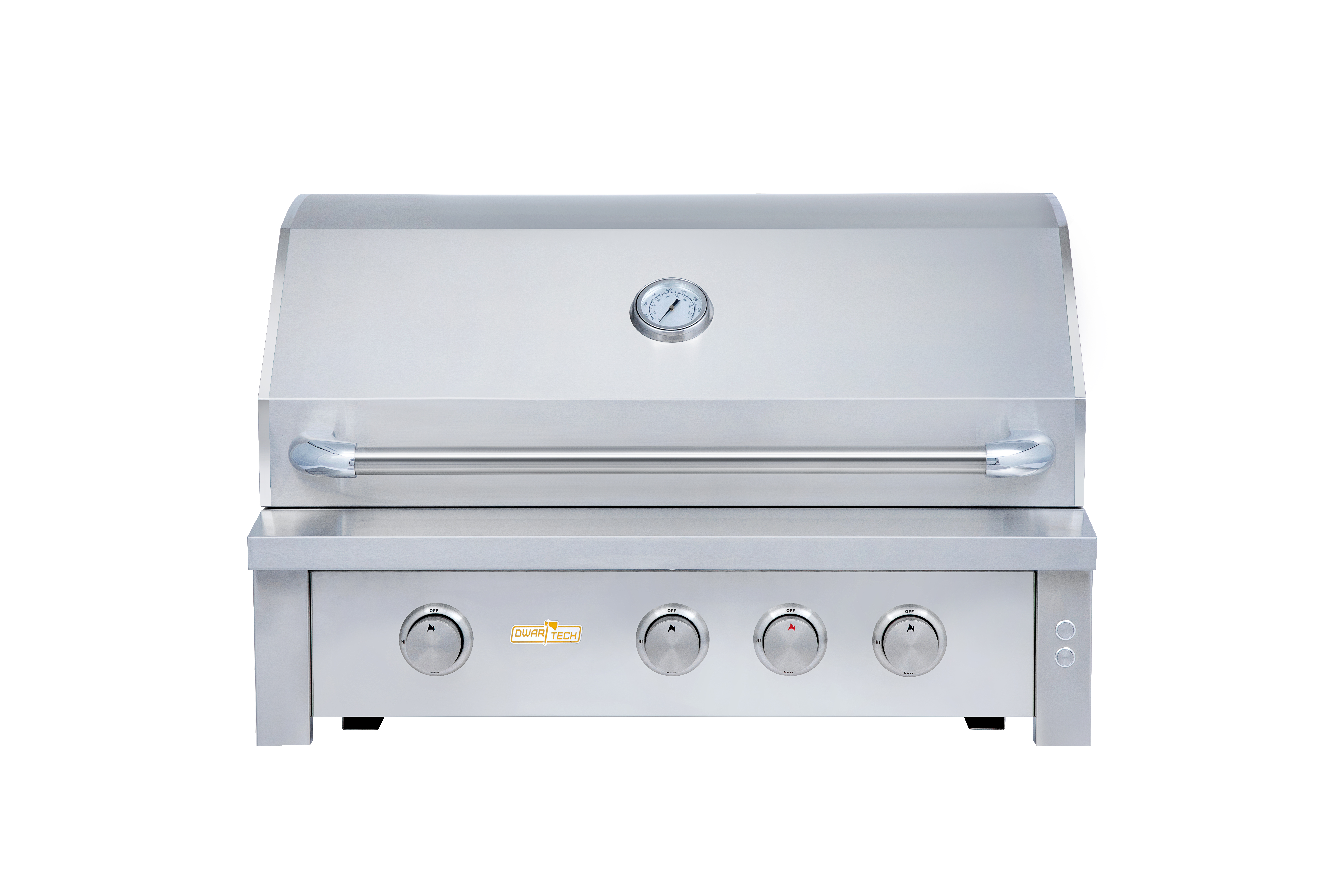
Selecting the right stainless steel outdoor grill for coastal or humid environments requires understanding how marine air, salt spray, and persistent moisture affect metal durability. In these challenging climates, ordinary grills deteriorate rapidly through pitting corrosion, surface rust, and structural weakening. The most durable stainless steel outdoor grill for such conditions must feature 304-grade or higher stainless steel construction, minimal exposed fasteners, and welded rather than bolted assemblies. This article examines the specific construction criteria that determine long-term performance in corrosive environments and explains why material grade, fabrication technique, and component design matter more than brand reputation or superficial aesthetics.
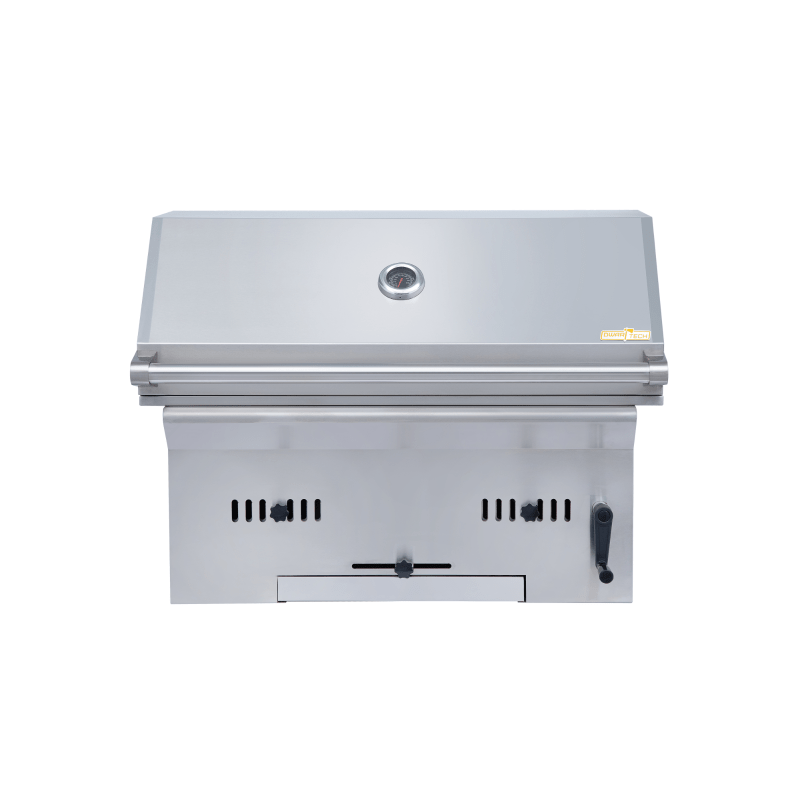
Coastal and humid climates accelerate corrosion through continuous exposure to chloride ions and elevated moisture levels that prevent protective oxide layers from forming consistently. A properly engineered stainless steel outdoor grill addresses these threats through strategic material selection, protective surface treatments, and drainage design that prevents water accumulation. The construction quality of critical components—including the firebox, grates, burner assemblies, and frame joints—determines whether your grill investment lasts five years or twenty-five years in salt-laden air. Understanding these engineering distinctions empowers buyers to evaluate products based on measurable durability factors rather than marketing claims.
Material Grade Selection and Corrosion Resistance Properties
Understanding 304 Versus 430 Stainless Steel in Marine Environments
The fundamental distinction in stainless steel outdoor grill construction begins with material grade selection. Type 304 stainless steel contains approximately 18% chromium and 8% nickel, creating an austenitic structure that resists chloride-induced pitting corrosion far more effectively than ferritic 430-grade steel. In coastal environments where airborne salt concentrations regularly exceed 50 milligrams per square meter daily, 304 stainless demonstrates corrosion rates approximately five times lower than 430-grade alternatives. This performance gap widens in humid climates where condensation forms repeatedly on metal surfaces, creating persistent electrolytic conditions that accelerate galvanic corrosion at dissimilar metal junctions.
When evaluating a stainless steel outdoor grill for durability, verify that all structural components—not just visible panels—utilize 304 or higher grade material. Many manufacturers construct outer shells from 304 steel while using cheaper 430-grade metal for internal brackets, heat shields, and fastener systems. This mixed-material approach creates galvanic cells where dissimilar metals contact each other in the presence of salt-laden moisture, resulting in accelerated localized corrosion at connection points. The most durable designs maintain material consistency throughout the entire assembly, eliminating galvanic corrosion pathways that compromise structural integrity over time.
Surface Finish Impact on Long-Term Corrosion Protection
Surface finish quality directly affects how effectively a stainless steel outdoor grill resists environmental attack in coastal conditions. Electropolished or bright-annealed surfaces present fewer nucleation sites for corrosion initiation compared to matte or mill-finished steel. The smoother surface topology reduces particle adhesion and facilitates water drainage, minimizing the duration of electrolyte contact with the metal substrate. In field testing conducted in tropical marine environments, electropolished 304 stainless steel demonstrated 40% longer time-to-first-pitting compared to identically composed mill-finished material exposed to identical conditions.
Powder coating or painted finishes on stainless steel outdoor grill components actually reduce durability in coastal climates despite appearing to add protection. Once salt air penetrates coating defects—which inevitably occur from thermal cycling and physical impact—the coating traps moisture against the steel surface and prevents the chromium oxide passive layer from reforming. This creates crevice corrosion conditions more aggressive than uncoated stainless steel would experience. The most durable coastal grills feature bare 304 stainless steel with high-quality surface finishes that allow the natural passive layer to function continuously without coating interference.
Critical Construction Features for Humid Climate Durability
Welded Assembly Versus Mechanical Fastener Systems
Construction methodology fundamentally determines how well a stainless steel outdoor grill withstands years of coastal exposure. Continuous TIG welding creates seamless joints without crevices where moisture can accumulate and initiate corrosion. In contrast, bolted or riveted assemblies create hundreds of small gaps where salt water concentrates through capillary action, establishing aggressive corrosion cells that corrode fasteners and surrounding metal. A fully welded stainless steel outdoor grill eliminates these vulnerability points, providing substantially longer service life in marine environments where mechanical assemblies typically fail within three to five years.
The quality of weld execution matters as much as the decision to weld rather than bolt. Properly executed TIG welds on 304 stainless steel create fusion zones with corrosion resistance nearly equivalent to base metal when performed in controlled atmospheric conditions. However, contaminated welds or excessive heat input can sensitize the grain structure, depleting chromium near grain boundaries and creating pathways for intergranular corrosion. Premium stainless steel outdoor grill manufacturers use controlled-atmosphere welding chambers or trailing shields that protect the molten weld pool from atmospheric nitrogen pickup, ensuring welds maintain full corrosion resistance in chloride-rich coastal air.
Drainage Design and Water Management Architecture
Even the highest-grade stainless steel outdoor grill will corrode prematurely if design features trap water against metal surfaces. Horizontal surfaces, upward-facing channels, and enclosed cavities without drainage holes create persistent wet conditions that overwhelm the passive corrosion protection of stainless steel. Durable coastal designs incorporate sloped surfaces, drain holes at low points, and ventilation openings that promote rapid drying after rain or cleaning. The grill chamber itself should feature angled surfaces that direct grease and water toward dedicated drainage pathways rather than allowing pooling in corners or behind heat shields.
The grease management system represents a particularly critical drainage consideration in humid climates. A stainless steel outdoor grill with sealed grease collection systems that prevent water ingress while still allowing grease drainage offers optimal durability. Open drip pans or collection cups expose steel surfaces to standing water mixed with acidic combustion residues and salt, creating extraordinarily corrosive conditions. The most durable designs use sloped baffle systems that separate liquid drainage from atmospheric exposure, allowing grease and water to drain away while preventing rain or spray from entering enclosed spaces where it could remain trapped against steel surfaces.
Component-Specific Durability Considerations
Cooking Grate Construction and Surface Treatment
Cooking grates experience the most severe service conditions of any stainless steel outdoor grill component, facing high temperatures, direct food contact, aggressive cleaning, and continuous environmental exposure. For coastal installations, solid rod construction from 304 stainless steel provides superior longevity compared to stamped or wire-formed grates. The increased mass of solid rod grates—typically 8-10mm diameter—resists warping from thermal stress and provides sufficient material thickness to tolerate years of wire brush cleaning without exposing underlying grain structure that would accelerate corrosion.
Grate surface condition dramatically affects both cooking performance and corrosion resistance in humid environments. Food residues and carbonized oils create acidic surface deposits that locally break down the chromium oxide passive layer, initiating pitting that progressively deepens with each cooking cycle. The most durable stainless steel outdoor grill designs incorporate grates with electropolished surfaces that release food more readily and clean more thoroughly, minimizing residue accumulation that would otherwise create localized corrosion cells. Regular cleaning immediately after cooking—while grates remain warm and residues have not yet carbonized—substantially extends grate service life in corrosive coastal conditions.
Burner Assembly and Heat Distribution Components
For gas-powered stainless steel outdoor grill models, burner construction determines operational longevity in coastal climates more than any other single component. Cast stainless steel burners fabricated from 304-grade material withstand thermal cycling and marine exposure far better than stamped tube burners or cast iron alternatives. The seamless construction of investment-cast burners eliminates the longitudinal seam welds present in fabricated tube burners—welds that often represent the first failure point in coastal installations where salt deposits concentrate along the weld heat-affected zone.
Heat distribution components including flame tamers, heat tents, and radiant barriers face simultaneous attack from combustion gases on the upper surface and dripping grease combined with environmental moisture on lower surfaces. Dual-sided exposure requires 304 stainless construction with thickness sufficient to tolerate progressive surface oxidation without mechanical failure. Stamped components thinner than 1.5mm typically perforate within three to five years of coastal exposure as high-temperature oxidation and chloride-induced pitting attack from opposite surfaces. A durable stainless steel outdoor grill for marine environments specifies heat management components with minimum 2mm thickness, ensuring adequate corrosion allowance for twenty-year service life.
Fastener Systems and Hardware Selection
Eliminating Galvanic Corrosion at Connection Points
Every mechanical connection in a stainless steel outdoor grill represents a potential galvanic corrosion site where dissimilar metals create electrochemical cells in the presence of salt-laden moisture. Standard zinc-plated steel fasteners corrode rapidly in coastal air, creating rust staining and eventual structural failure as bolts disintegrate. Even stainless steel fasteners pose risks if material grade differs from surrounding structure—common when manufacturers use 410 martensitic stainless fasteners with 304 austenitic sheet metal. The galvanic potential difference between these alloys drives accelerated corrosion of the less noble material when electrical contact exists in electrolytic conditions.
The most durable approach eliminates mechanical fasteners wherever possible through welded construction. Where disassembly requirements mandate bolted connections, specifying 316 stainless steel fasteners with Teflon or nylon washers that electrically isolate dissimilar metals prevents galvanic coupling. A premium stainless steel outdoor grill for coastal service incorporates isolation washers at every fastener location and uses anti-seize compounds containing copper-free corrosion inhibitors. Standard copper-based anti-seize actually accelerates galvanic corrosion when used between stainless steel components in marine environments due to copper's position in the galvanic series relative to iron-chromium-nickel alloys.
Hinge and Moving Component Considerations
Hinged components including grill lids, access doors, and warming rack supports introduce additional corrosion vulnerabilities through wear surfaces and pivot points where protective coatings wear away. In a stainless steel outdoor grill designed for coastal durability, all hinge pins and pivot hardware must utilize 316 stainless steel to resist crevice corrosion in the confined geometry of bearing surfaces. Teflon or nylon bushings prevent metal-to-metal contact that would otherwise wear away passive layers and expose bare metal to environmental attack. Conventional steel pins with nickel plating fail rapidly in salt air as coating wear exposes the steel substrate at high-stress contact points.
Spring-loaded components present particular challenges in humid coastal environments where differential aeration cells form under compression. Lid assist springs and latch mechanisms should use 17-7PH precipitation-hardened stainless steel rather than music wire or conventional spring steel. The precipitation-hardened stainless alloy provides equivalent spring force to high-carbon steel while maintaining corrosion resistance comparable to 304 stainless. A thoughtfully designed stainless steel outdoor grill positions springs and latches in ventilated locations that promote rapid drying rather than in enclosed cavities where moisture persists and creates aggressive corrosion conditions.
Evaluating Construction Quality Before Purchase
Physical Inspection Criteria for Corrosion Resistance
Assessing stainless steel outdoor grill construction quality requires examining specific physical characteristics that indicate engineering for coastal durability. Begin by verifying material grade through magnet testing—304 and 316 austenitic stainless steels are essentially non-magnetic, while 430 ferritic and 410 martensitic grades show strong magnetic response. A magnet that adheres strongly to body panels, cooking grates, or structural components indicates use of inferior corrosion-resistant alloys unsuitable for marine environments. Manufacturers committed to coastal durability clearly specify material grades in technical documentation rather than using vague marketing terms like marine-grade or weather-resistant stainless.
Examine weld quality by inspecting joint appearance and consistency. Proper TIG welds on a premium stainless steel outdoor grill show uniform bead appearance with consistent penetration and minimal discoloration from welding heat. Discolored or heavily oxidized welds indicate insufficient shielding gas coverage during welding, which compromises the chromium-rich passive layer and reduces corrosion resistance at weld zones. Check for evidence of post-weld cleaning or passivation treatments—high-quality manufacturers chemically treat welded assemblies to restore the passive chromium oxide layer that protects against atmospheric corrosion. Visible weld spatter, inconsistent bead profiles, or burn-through defects indicate poor process control that will compromise long-term durability.
Design Feature Assessment for Long-Term Performance
Beyond material verification, evaluate design features that determine real-world durability in coastal conditions. A well-engineered stainless steel outdoor grill incorporates generous fillet radii at corners and edges rather than sharp 90-degree bends that concentrate stress and create crevices where salt deposits accumulate. Inspect internal surfaces and hidden cavities for drainage provisions—every enclosed space should feature drain holes positioned at geometric low points to prevent water accumulation. Ventilation openings should include provisions that prevent direct spray entry while still allowing moisture vapor to escape, balancing weather protection with condensation management.
Assess component accessibility for maintenance, as regular inspection and cleaning dramatically extend service life in corrosive environments. Removable panels that allow thorough interior cleaning and inspection indicate design consideration for long-term ownership in challenging conditions. A stainless steel outdoor grill requiring tools for disassembly typically receives inadequate maintenance, leading to hidden corrosion that progresses undetected until structural failure occurs. The most durable designs facilitate tool-free access to interior surfaces where salt and moisture accumulate, enabling owners to maintain protective conditions through periodic cleaning that removes corrosive deposits before they initiate permanent damage.
FAQ
Does 304 stainless steel rust in coastal environments?
Type 304 stainless steel resists general corrosion extremely well in coastal atmospheres but can develop localized pitting if chloride deposits concentrate on surfaces and remain wet for extended periods. The chromium oxide passive layer that protects 304 stainless self-heals when exposed to oxygen, but this regeneration cannot occur under persistent salt deposits or in crevices where oxygen access is restricted. Regular rinsing with fresh water to remove salt accumulation and ensuring proper drainage prevents the conditions that lead to pitting corrosion. With appropriate maintenance, 304 stainless steel outdoor grills deliver twenty-plus years of service in direct coastal exposure, whereas lower grades like 430 stainless develop visible corrosion within months.
How often should I clean my stainless steel outdoor grill in humid climates?
In coastal or humid environments, clean cooking surfaces after every use while components remain warm, as carbonized food residues and grease create acidic conditions that locally attack the protective chromium oxide layer. Perform comprehensive cleaning of all exterior and interior surfaces monthly, using fresh water rinse to remove salt deposits that accumulate from airborne spray and fog. If the grill is within direct salt spray reach—typically within 200 meters of breaking surf—increase exterior rinsing to weekly frequency. The investment in frequent cleaning dramatically extends component life by preventing the localized breakdown of passive corrosion protection that initiates pitting and crevice corrosion in stainless steel.
Can I use a grill cover in coastal areas without trapping moisture?
Grill covers in humid coastal climates require careful selection to avoid creating trapped moisture conditions worse than uncovered exposure. Use only breathable covers specifically designed for marine environments, featuring ventilation panels that allow moisture vapor to escape while blocking rain and direct spray. Never cover a grill while components retain heat from recent use, as temperature differential creates condensation inside the cover that remains trapped against steel surfaces. Position covers loosely rather than cinching them tightly, allowing air circulation that promotes drying. In high-humidity climates, allowing the stainless steel outdoor grill to remain uncovered often provides better long-term protection than using impermeable covers that trap moisture and concentrate salt deposits against metal surfaces where they cause accelerated localized corrosion.
What maintenance products are safe for stainless steel in marine environments?
Clean stainless steel outdoor grill surfaces using pH-neutral detergents or dedicated stainless steel cleaners that do not contain chlorides, which can initiate pitting corrosion. Avoid abrasive cleaners containing chlorine bleach or harsh acids that damage the protective chromium oxide passive layer. For stubborn deposits, use non-chlorinated alkaline degreasers followed by thorough fresh water rinsing. Apply food-grade mineral oil sparingly to exterior surfaces after cleaning to provide temporary moisture barrier protection, but understand this offers only cosmetic benefit and requires reapplication after each rain exposure. Never use steel wool or abrasive pads containing embedded iron particles, as these transfer iron to the stainless surface where it rapidly corrodes and creates unsightly rust staining that can initiate pitting in the underlying stainless substrate.